In my last post, I discussed the final resting places for the last generation of my family to be buried in Poland. When I wrote it, two of my adult children were in the midst of a two-week trip to Poland, and I wanted them to have a sense of their ancestral origins, even if they’re not all that interested in genealogy. Although their time in Poland is nearly finished, I’d like to continue the story today with a discussion of my husband’s family, and their known, presumed, or hypothetical places of burial in Poland. As with the previous post, I’m taking a bit of advice from my husband, and starting with the oldest generation that my kids knew personally, or knew from family stories: their great-grandparents.
Grandpa Steve’s Family
My husband’s paternal grandfather, Stephan Szczepankiewicz, died in 1998, when my oldest son was still in preschool and my second son was just a toddler. Consequently, none of my kids really knew him, although he lives on in all the family stories. Figure 1 shows his pedigree chart.
Figure 1: Pedigree chart for my husband’s paternal grandfather, Stephan Szczepankiewicz. Blue squares represent people who died in the U.S., while red squares represent those who died in what is now Poland. Click image to enlarge.
Grandpa Steve’s parents were Michał/Michael Szczepankiewicz and his second wife, Agnes Wolińska, both of whom were Polish immigrants. Michael was born in 1873 in the village of Obrona in Konin County, in the Russian partition of Poland, to Wojciech Szczepankiewicz and his second wife, Anna (née Augustyniak), whose dates of death are unknown. Obrona belonged to the parish in Kleczew, and it may be that Wojciech and Anna are buried in the parish cemetery. However, this is somewhat speculative, pending further research.
Grandpa Steve’s mother, Agnes (née Wolińska) Szczepankiewicz, was born in 1888 in the town of Świecie in the Prussian partition of Poland. She was the daughter of Joseph Woliński and Tekla (née Bogacka) , who immigrated with their family to Buffalo, New York, in 1890. Joseph was the son of Antoni Woliński and Agnes (née Kozicka), but I know little about them besides their names. Joseph was born in the village of Kiełbasin in 1853, so I could hazard a guess that perhaps Antoni and Agnes are buried in the Kiełbasin parish cemetery, but that’s only a guess, pending further research.
Tekla (née Bogacka) Wolińska was the daughter of Józef/Joseph Bogacki and Apolonia (née Prusiecka) Bogacka. Apolonia was born circa 1822 and died in Buffalo in 1906, while Józef was born circa 1826 and died in Buffalo in 1919. According to the 1905 census, they’d been living in the U.S. for 16 years, suggesting an arrival circa 1889. The names of her parents were not recorded on her church burial record, and Joseph’s church burial record is not available online, so obtaining a copy of that, as well as copies of both of their death certificates, is on my to-do list. I have yet to delve into any Polish records for this family. Apolonia’s death record, as well as church records pertaining to her children, state that the family was from Chełmno, so I suppose earlier generations of the Bogacki and Prusiecki family might be buried there.
Grandma Angeline’s Family
My husband’s paternal grandmother, Angeline (née Skolimowski) Szczepankiewicz, died in 2004, so my sons have some memories of her. Her pedigree chart appears in Figure 2.
Figure 2: Pedigree chart for my husband’s paternal grandmother, Angeline (Skolimowska) Szczepankiewicz. Blue squares represent people who died in the U.S., while red squares represent those who died in what is now Poland. Click image to enlarge.
She was the daughter of Stanisław/Stanley and Helen (née Majczyk) Skolimowski. Stanley was born in the village of Garlino in Mława County in 1887, and was the son of Tadeusz and Marianna (née Kessling) Skolimowski, whose dates of death are unknown. They were known to be living in the village of Uniszki Zawadzki in 1904 when their youngest son, Czesław, was born, so perhaps they were still living there at the time of their deaths. The village of Uniszki Zawadzki belongs to the parish in Wieczfnia, so it’s possible that Tadeusz and Marianna were buried in the parish cemetery there.
Helena Majczyk was born in the village of Rostowa (Żuromin County) to Stanisław and Aniela (née Nowicka) Majczyk. Their dates of death are unknown; however, we could extrapolate again, and assume that they died in the same village in which they were living when their last identified child was born. That child was Czesław, who was born in 1905 in the village of Suwaki, about 8 km from Rostowa. Note that Czesław is merely Stanisław and Aniela’s youngest identified child: since Aniela was only about 36 when Czesław was born, it is likely that the couple had additional children born after him, who will be discovered in further research. Nevertheless, all the villages in which Stanisław and Aniela’s known children were born—Rostowa, Suwaki, and Bojanowa—belong to the parish in Gradzanowo Kościelne, so it’s plausible that Stanisław and Aniela might have been laid to rest in that parish cemetery.
Papa’s Family
My husband’s maternal grandfather was Henry Bartoszewicz, known as “Papa” to his grandchildren. He was the only one of my husband’s grandparents who was already deceased by the time I met my husband, but I’ve come to know him at least a little bit through all the family stories, which are known to my kids as well. Figure 3 shows his pedigree chart.
Figure 3: Pedigree chart for my husband’s maternal grandfather, Henry Bartoszewicz. Blue squares represent people who died in the U.S., while red squares represent those who died in what is now Poland. Click image to enlarge.
Henry was the son of Józef/Joseph Bartoszewicz and Katarzyna/Katherine (née Lewandowski/Levanduski). Both Joseph and Katherine were Polish immigrants from the Prussian partition, who came to the U.S. with their parents when they were very young. Joseph arrived with his family in 1890, at the age of about eight, while Katherine arrived in 1886, when she was two and a half years old.
Joseph was the son of Stefan/Stephen and Joanna (née Olszewska) Bartoszewicz. They were the parents of perhaps 12 children, about half of whom were born in Poland. More research needs to be done to better understand this family’s history, and I have yet to obtain a birth record for Joseph Bartoszewicz himself. Indexed birth records for Joseph’s known siblings indicate that the family lived in several villages (Kamionki, Zalesie, Smaruj, Brzeźno, and Łysomice) that were all located in Toruń County. However, these villages belong to four different parishes, and I have no further information regarding Stefan and Joanna’s places of birth and marriage, nor have their parents been identified. At this point, the best I can do is guess that my kids’ Bartoszewicz and Olszewski ancestors were buried somewhere in Toruń County.
Katherine Levanduski was the daughter of Stanisław “Edward” Lewandowski/Levanduski and his first wife, Marianna/Mary (née Woźniak). Edward was born in 1859 in the village of Szelejewo (Żnin County) to Michael Lewandowski and Elisabeth (née Radke or Rotka). Although precise dates of death are not yet known for Michael and Elisabeth, the record of marriage for Stanisław/Edward and Marianna stated that the groom’s father died in Szelejewo, and his mother died in Gutfelde (known today as Złotniki Kujawskie). Szelejewo belonged to the parish in Gąsawa, so it’s probable that Michael Lewandowski is buried in the parish cemetery there. Gutfelde/Złotniki belonged to the Catholic parish in Rogowo, so it’s likely that Elisabeth is buried there.
Mary (née Woźniak) Lewandowska was the daughter of Jakub Woźniak and Marianna Sobczak, who were still alive at the time of their daughter’s marriage in 1882. Not much is known about this family, apart from the fact that Mary was born in Brudzyń, and her parents were living in Wola (aka Wola Czewujewska) in 1882, per Mary’s marriage record. Wola belonged to the Catholic parish in Ottensund, presently known as Izdebno, so we can speculate that perhaps Jakub and Marianna were buried in that parish cemetery. However, preliminary research indicates that the parish in Izdebno fell into disrepair and is no longer extant. It was replaced by a new parish founded in 1976 in Czewujewo, with a parish cemetery established in 1977, according to information found here. However, the FamilySearch catalog includes records from Izdebno up until 1952, which suggests that the parish was still in existence at that time, so burial records for Jakub and Marianna should be found in this parish. Despite this fact, there’s no evidence of an old Catholic cemetery in Izdebno, based on Google Maps, and the Wikipedia article on Izdebno mentions only a disused Evangelical (Lutheran) cemetery. Once again, further research is needed, but we can suppose for now that Jakub and Marianna Woźniak might be buried in Izdebno.
Grandma Barth’s Family
My husband’s maternal grandmother, Joan (née Drajem) Barth, died in 2008, so all of my children remember her. Her pedigree is shown in Figure 4.
Figure 4: Pedigree of my husband’s maternal grandmother, Joan (Drajem) Barth. Blue squares represent people who died in the U.S., while red squares represent those who died in what is now Poland. Click image to enlarge.
Grandma was the daughter of Albert and Mary (née Kantowski) Drajem, both of whom were born in the U.S. to parents who were Polish immigrants from the Prussian partition. Albert was born in Buffalo on 8 April 1890 to Augustyn and Agnieszka (née Jamrozik) Drajem, who were married in Kucharki, in Plezew County, on 1 February 1890. So, although the exact date for their arrival in the U.S. has not been determined, it must have been in February or March of 1890, and Agnieszka would have been heavily pregnant during their voyage.
Augustyn was the son of Józef and Marianna (née Kaszyńska) Drajem, or Draheim. who were married in 1850 in Niestronno (Mogilno County). Józef Draheim’s precise date of death is unknown; however, he was born 30 January 1822, and he was reported to have been 50 years old at the time of his death, according to a life insurance application filled out by his son, Wojciech. This suggests a date of death circa 1872. At the time of Wojciech’s birth in 1862, Józef and his family were living in the village of Mielno (Mogilno County). If we suppose that Józef was still living there ten years later, when he died, then his death should be recorded in Niestronno parish—the parish to which the village of Mielno belonged. It’s probable that he was buried in the Niestronno parish cemetery.
Marianna (née Kaszyńska) Drajem immigrated to Buffalo after her husband’s death, where she died in 1905. She was the daughter of Rozalia (__) Kaszyńska and an unidentified father. (I wrote about my research into Marianna previously.) With so little known about Rozalia and her husband, it’s impossible to guess where they were buried, so I won’t even speculate. Similarly, little is known about the parents of Agnieszka (née Jamrozik) Drajem, Jan Jamrozik and Rozalia (née Juszczak). The Poznań Project indicates that they were married in Kucharki in 1856, so it’s possible that they were buried in that parish cemetery, but there’s not a lot of information, currently, upon which to base this assumption.
Mary Kantowski was the daughter of Jan/John Kąt/Kantowski and Marianna/Mary Kończal who immigrated to Buffalo circa 1886. Jan was the son of Piotr Kąt and Franciszka (née Konwińska). Piotr died 8 March 1883 in the village of Klotyldowo (Żnin County)—a village which belongs to the parish in Łabiszyn. Thus, it’s probable that he was buried in that parish cemetery.
Franciszka (née Konwińska) Kantowska immigrated to Buffalo with her children after the death of her husband. She remarried in 1887 to Jan Wasilewski, and she died in Buffalo in 1921. She was the daughter of Dionizy Konwiński and Katarzyna (née Kruszka), who married in 1812 in Słabomierz (Żnin County). Dionizy died on 19 December 1852 in Wolwark (Nakło County). The village of Wolwark belongs to the parish in Szubin, and it’s likely that the cemetery there was Dionizy’s final resting place. Although Katarzyna (née Kruszka) Konwińska’s precise date of death is unknown, all of her children were born in the village of Wolwark, so it’s reasonable to suppose that she, too, might be buried in the cemetery in Szubin with her husband.
Mary (née Kończal) Kantowski was the daughter of Franciszek Kończal and Anna Kubiak. Anna (née Kubiak) Kończal immigrated to Buffalo to live with her children after the death of her husband, and she died in Buffalo in 1922. Nothing further is known about Franciszek’s date or place of death, or the identities of Anna’s parents. However, Anna and Franciszek were married in Łabiszyn, so Franciszek may have died there.
For your viewing pleasure, here is another map which marks all the places discussed in this post, as well as those identified in my first post (my own Polish ancestors).
Conclusions
Analyzing my genealogy data for the purpose of identifying the most recent generation of ancestors who died in Poland has really highlighted all the work that remains to be done on my husband’s family. The data also serve to illustrate the statistical trend of earlier immigration among German nationals (including Poles from the Prussian partition) relative to Russian nationals (including Poles from the Russian partition). And, while it’s impossible to draw any firm conclusions about cultural practices in elder care from these data, I was intrigued by the fact that five of my husband’s 3x-great-grandparents emigrated—all from the Prussian partition— while only one of my 3x-great-grandparents emigrated, from the Austrian partition. Most of these 3x-great-grandparents were over the age of 50 when they migrated, and from this decision, we can infer a preference for uprooting their lives and traveling with their children, rather than remaining in their homeland and living with the families of their siblings or non-emigrant children.
Was that decision influenced by family culture? Was it the result of differing living conditions within each partition of Poland? Are there genetic factors that influence one’s willingness to migrate? I’ve often pondered these questions over the past decade, when dealing with the challenges of long-distance elder care in my own family.
While I may never have definitive answers to these questions, it’s certainly been intriguing to examine my family through the lens of ancestors who died in Poland.
Edited on 19 December 2022 to include current featured image, which was inadvertently omitted when blog post was originally published.
10 March 2023: After reading this article, researchers Ben Kman and Roman Kałużniacki wrote to me independently with a correction regarding my statement that, “there’s no evidence of an old Catholic cemetery in Izdebno, based on Google Maps…” Roman wrote, “There are two cemeteries which may be relevant here. Both of them are marked on the old maps of the area. One is located just half a mile south and on the West side of the road from Czewujewo. This one measures about 0.20 ha in size and is likely the real parish cemetery. But… The other one is quite hidden. It is located just West on the other side of the lake from Izdebno and its size is about 0.4 ha. I have a feeling there might be more to say about it.” Ben wrote, “There is a catholic cemetery in Izdebno. I have relatives living in Izdebno and my great-grandmother’s brother is buried in that cemetery. I visit it on every trip I take to Poland.” Thanks, Roman and Ben, for catching this error.
Two of my adult children are in Poland right now, spending two weeks there during the Advent season. I’m so excited for them to have this opportunity to visit the land that was home to three-quarters of their ancestors. Neither of them is especially interested in genealogy, so their tour is focused on sightseeing, and discovering a bit of the history and culture of Poland. Consequently, I have no expectation that my kids will tour the cemeteries where their ancestors were laid to rest. I’ve discovered that visiting cemeteries isn’t really the kind of thing that non-genealogists seem to enjoy, for some odd reason. (Yes, my tongue is planted firmly in my cheek as I write that.) Nonetheless, I started thinking about the most recent generation of our family who lived and died in Poland: the parents of the immigrants. Who were they, when did they live, what churches were they buried from, and in what cemeteries were they buried?
A Word About Polish Cemeteries…
Even if my kids did wish to visit our ancestral cemeteries, there wouldn’t be much to see in terms of ancestral graves, because none of those graves are still marked. Although it seems strange to us here in the U.S.—and particular so here in New England, where we have an abundance of cemeteries with grave markers that date back to the early 1700s—permanent graves are uncommon in Poland. Graves are rented out for a particular term—perhaps 25 years—and at the end of that period, the family must renew the lease in order to maintain the grave. If the cemetery fees are not paid, the grave is resold, and the grave marker is replaced with a new one. For this reason, it’s rare to find grave markers in Poland that are more than 100 years old. In fact, when we visited Poland in 2015, the only grave of a known relative that I could identify in all the ancestral cemeteries we visited, was that of Barbara (née Kalota) Mikołajewska, sister of my great-great-grandmother, Marianna (née Kalota) Zielińska. Barbara was buried in this Mikołajewski family plot, shown in Figure 1.
Figure 1: Grave of Barbara Mikołajewska in the Młodzieszyn parish cemetery. Photo taken by the author.
Despite the fact that the graves are no longer marked, most of the small, country parishes in Poland have only one Catholic cemetery. So, if a death was recorded in a particular parish, it follows that the deceased was buried in that parish cemetery. Consequently, there’s a feeling of connection for me that comes from visiting an ancestral village—and particularly its cemetery; a connection that comes from the knowledge that, in this place, my family had roots. These are the streets my ancestors walked, and the fields that they farmed. This is the church where they came to pray; where they stood before the congregation to be joined in holy matrimony, and where they brought their babies to be baptized. This is the cemetery where they were laid to rest, and where they returned to dust. This place is a part of my DNA, just as my ancestors’ DNA has become a part of this place.
But how to convey this to my non-genealogist kids? Making family history meaningful and interesting to my immediate family has always been a challenge for me, so whenever I have a family history story to tell—especially one related to a distant ancestor—my husband has always advised me to start with someone he knows.
My kids have nine great-great-grandparents who were themselves born in what is now Poland, and three more who were born in the U.S. of Polish immigrant parents. However, some of those great-great-grandparents who were born in Poland came to the U.S. with their parents. So, we have to go back several generations to uncover the 3x-, 4x-, and 5x-great-grandparents who were still living in Poland when they died. Those connections are pretty distant for non-genealogists to appreciate, so I’ll take my husband’s advice, and frame these ancestors in terms of their relationships to great-grandparents that my children knew personally, or knew from family stories.
Grandma Helen’s Family
My maternal grandmother, Helen (née Zazycki) Zielinski, died in 2015, so all my children knew her well. Her pedigree chart is shown in Figure 1.
Figure 1: Pedigree chart for my maternal grandmother Helen (née Zazycki) Zielinski. Blue squares represent people who died in the U.S., while red squares represent those who died in what is now Poland. Click image to enlarge.
Grandma’s father, Jan/John Zazycki/Zarzycki, was born in 1866 in the village of Bronisławy in Sochaczew County. John died in North Tonawanda, New York, but his parents both died in Poland. His father, Ignacy Zarzycki, died on 8 August 1901 in Bronisławy—a village which belongs to the parish in Rybno. Ignacy was survived by his wife, Antonina (née Naciążek), who died on 14 May 1915 in the Ochota district of Warsaw. She was probably living with her son, Karol, at the time of her death, since he was named as a witness on her death record, and was identified as a resident in Ochota. Antonina’s death was recorded at the parish of St. Stanisław in the Wola district of Warsaw, which suggests that she was buried in the Cmentarz Wolski w Warszawie (Wolska Cemetery in Warsaw), which was established in 1854 and belongs to the parish of St. Stanisław.
Grandma Helen’s mother, Weronika/Veronica (née Grzesiak) Zazycki, was born in the village of Kowalewo-Opactwo in Słupca County in 1876. Her mother, Marianna (née Krawczyńska) Grzesiak, died in the village of Zagórów on 29 May 1904. Curiously, this is contrary to the story I heard from Grandma Helen, that Veronica’s mother was already deceased when Veronica emigrated in 1898, but that’s another story for another day. Grandma Helen had no idea that her father, Józef Grzesiak, ever set foot in the U.S., so she was astonished (and somewhat doubtful) when I discovered a passenger manifest for a family group which included Józef, his daughter, Józefa, and daughter-in-law, Kazimiera Grzesiak. The family arrived in May 1900 and Józef was enumerated in the 1900 census in June, but after that, he disappeared. Oral family history held that Kazimiera was disenchanted with life in the U.S, left her husband, and returned to Poland. I suspect Józef returned as well, since he disappears from U.S. records after that 1900 census, and since his wife was, in fact, still living until 1904.
It’s unclear where Józef went when he returned to Poland, but it is probable that he died in Poland rather than the U.S. His wife’s death record mentioned Józef as a surviving spouse, which implies that he was living in Zagórów when she died in 1904, and that he died between 1904 and 1939 (assuming he lived no more than 100 years). However, no death record was found for him in Zagórów, or in Kowalewo-Opactwo, the parish where he was married and his children were born. The family lived in Warsaw circa 1899, where two of Józef’s children married, and he was named as a witness on the 1899 birth record of his grandson, Marian Cieniewski. Thus far, no death record has been found for Józef in Warsaw, either, but the large number of churches there makes the search difficult. He is not listed in the Buffalo, New York, Death Index, which was searched from 1897 through 1914, so it’s unlikely that he died in Buffalo. Józef Grzesiak’s place and date of death remains a mystery that may one day be solved, as additional indexed records come online.
Grandpa John’s Family
My maternal grandfather, John Zielinski, died on 15 February 2003. My oldest son remembers him pretty well, although he was not quite nine years old when Grandpa died. My other sons have some memories of him, but my daughter knows him only from stories. His pedigree chart is shown in Figure 2.
Figure 2: Pedigree chart for my maternal grandfather, John Zielinski. Blue squares represent people who died in the U.S., while red squares represent those who died in what is now Poland. Click image to enlarge.
Grandpa’s father, Joseph/Józef Zieliński, was born in the village of Mistrzewice (Sochaczew County) in 1892, to Stanisław Zieliński and Marianna (née Kalota) Zielińska. Stanisław died 23 December 1915 in Mistrzewice, a village which once had its own parish church, but which was reassigned to the parish in Młodzieszyn in 1898. I suppose, but do not know with certainty, that Stanisław would have been buried in the old cemetery in Mistrzewice, rather than the cemetery in Młodzieszyn. Both cemeteries are still in use today, but searching burials online (for example, at Mogiły (Graves) does not provide much insight into use of the cemeteries during the early 20th century, since most of the graves from that era have new occupants by now.
Marianna Zielińska died 4 April 1936 while living in the village of Budy Stare with her sister. I wrote about her difficult history here. She was the most recent ancestor to die while still living in Poland, and Grandpa John met her when, as a small boy, he returned to Poland with his parents in 1921 for a visit. That visit was precipitated by the death of Grandpa John’s uncle, Władysław Zieliński, who died on 23 March 1921 at the age of 23, leaving his elderly mother, Marianna, as the sole survivor of the family in Poland.
It’s not clear why Marianna did not emigrate when her son, Joseph, returned to the U.S. with his family. They were already settled in North Tonawanda, and enjoying a good life there. But for whatever reason, she chose to remain in Poland, presumably giving up the family farm that Grandpa remembered. I have yet to discover the location of that farm, or documents pertaining to its sale.
Marianna Zielińska had three sisters whom I have been able to identify to date: Barbara, who married Józef Mikołajewski; Józefa, who married Roch Sikora; and Katarzyna, who married Wojciech Wilczek. Marianna outlived both Barbara and Józefa, which suggests that she was living with Katarzyna Wilczek at the time of her death—a conclusion which is supported by the fact that Wojciech and Katarzyna lived in Budy Stare, the village in which Marianna died. Since the village of Budy Stare belongs to the parish in Młodzieszyn, it’s likely that Marianna Zielińska was laid to rest in the that cemetery—perhaps in a grave that is currently occupied by more recent generations of the Wilczek family.
Grandpa John’s mother, Genowefa/Genevieve (née Klaus) Zielinski, was born in Buffalo in 1898, to parents who were Polish immigrants from the Galicia region, in villages that are located in southeastern Poland today. Grandma Genevieve’s mother was Marianna/Mary (née Łącka) Klaus, who was born in the village of Kołaczyce, in the foothills of the Carpathian Mountains. She emigrated in 1884 with her father, Jakub Łącki, and brothers, Jan and Józef, after the death of her mother, Anna, in 1879.
More research is needed to determine Jakub’s date and place of death, since he disappears from indexed records subsequent to his passenger manifest. Since his daughter, Mary, was married in Buffalo, New York, in 1891, he may have died there. However, the family had ties to the Polish community in Dunkirk, New York, and Find-A-Grave contains a promising match for Joseph Lacki’s grave in St. Hyacinth Cemetery in Dunkirk. It’s possible that Jakub is buried in that cemetery as well, without a marker. Further research is needed here; however, the situation with his wife is more definitive. Anna (née Ptaszkiewicz) Łącka, Mary’s mother and Jakub’s wife, died on 13 November 1879 in Kołaczyce, and was laid to rest in the parish cemetery. Jakub’s parents, Franciszek Łącki and Magdalena (née Gębczyńska) Łącka, were buried in that cemetery as well, after their respective deaths on 12 December 1847 and 17 January 1848.
Grandpa John’s mother, Grandma Genevieve (née Klaus) Zielinski, was the daughter of Andrzej/Andrew Klaus, who was born in the village of Maniów in Dąbrowa county, a village which lies just south of the Wisła/Vistula River, along the modern-day border between the Małopolskie Voivodeship and the Świętokrzyskie Voivodeship. Andrew immigrated to the U.S. in 1889, proceeding first to Plymouth, Pennsylvania, according to his passenger manifest, before moving on to Buffalo, where he married Mary Łącka in 1891. His parents were Jakub and Franciszka (née Liguz) Klaus, whose dates and places of death are unknown. Prior to 1981, the village of Maniów belonged to the parish in Szczucin, so they were presumably buried in the parish cemetery there.
And Now, a Map
When it comes to telling family history stories, my husband gave me another piece of sound advice: keep it short, or people’s eyes will start to glaze over. I’m pretty sure that by now, only die-hard genealogists are still reading this, given its length. So, for the sake of my children in Poland, for whom it was also intended, I’ve created the “TL;DR” version. (That’s “too long; didn’t read,” for those of you who aren’t keeping current with your internet acronyms.) Here is a map, showing each of these ancestral burial places.
In contrast to the situation in my family, five of my husband’s Polish immigrant great-grandparents came to the U.S. with their parents. So, it takes a little longer to dig back to the last generation buried in Poland. I’ll discuss them in my next post. As for my kids, I love you, and I hope you’re having a wonderful time in the land of your ancestors!
Recently, my aunt Carol (Roberts) Fischer honored me with the gift of becoming the next custodian of the Walsh-Roberts family Bible, preserved in our family since 1884. The Bible is still gorgeous, despite having suffered the ravages of time, and it must have been quite splendid when it was new. Its sheer size—standing at almost four inches tall—and weight have caused the binding to fall apart. Although the front cover has come off, none of the pages are loose. I’m looking into having it rebound in a way that preserves the front and back covers, so it can continue to be enjoyed for the next 140 years.
Flyleaf of the Walsh-Roberts family Bible with inscription. Click image to enlarge.
The inscription on the flyleaf reads, “Martha A. Welch, Her Book, St. Catharines, March 24th, 1884.” I don’t know the possible significance of the date. Martha Agnes (Dodds) Walsh (or Welch) was born 11 March 1859, so perhaps the Bible was a somewhat-belated gift for her 25th birthday. When this Bible was presented to her, Martha would have been a young mother of three little girls: 5-year-old Marion, 3 1/2-year-old Clara Ellen, and 7-month-old Katherine Elizabeth (my great-grandmother).
Martha Agnes (Dodds) Walsh, the original owner of the family Bible.
The Bible features an elaborate presentation page stamped with gold leaf which states, “Presented to Martha Agnes Walsh from Robert Dodds, March 1884. Robert Dodds was Martha’s father—my great-great-great-grandfather—who was born circa 1817 in England, and lived in St. Catharines, Ontario, and Yarmouth (Elgin County) Ontario, prior to his death in 1906. The handwriting on this page is different from the handwriting on the flyleaf, and I would like to think this page was inscribed by Robert Dodds himself, but I doubt it, for reasons I’ll discuss shortly.
Presentation page from family Bible. Click image to enlarge.
Census records described Robert as a Methodist in 1861 and 1881, and as a member of the Church of England in 1871, 1891, and 1901. Martha’s husband, Henry Walsh, was a nominal Roman Catholic, but apparently not practicing. Martha raised their children in the Episcopal faith. It’s unsurprising, then, that Robert selected this translation of the Bible to give to Martha, since it contains the King James version of the New Testament in parallel with the Revised Version.
Title page of the family Bible, published by C.R. Parish & Co., Toronto, Canada, and Grand Rapids, Michigan. Click image to enlarge.
The Revised Version of the New Testament was first published in 1881, while the Old Testament and Apocrypha were not published until 1885 and 1894, respectively.1 This explains why the title page specifies, “Revised New Testament,” rather than simply, “Revised Version.”
The Bible is replete with numerous illustrations, such as the ones shown below.
Image, “The “Light of the World,” painted by Holman Hunt; W.G. Jackman, engraver.2 Click image to enlarge.Illuminated text of the Beatitudes, decorated in gold leaf. Click image to enlarge.Illuminated text of the Lord’s Prayer, opposite image of the Holy Family, with sheet of onion skin paper still in place to protect the illustration. Click image to enlarge.“The Holy Family,” painted by F. Ittenbach, engraved and printed by Illman Brothers3. Click image to enlarge.
The Bible also includes some charming and helpful Bible study aids, such as maps, lists of parables and miracles, tables of measures of weights, lengths, coins, etc.; a “Table of Kindred and Affinity forbidden to Marry together,” a “Complete List of the High Priests of the Hebrews,” “Remarkable Rivers and Lakes,” and more.
Also included is a summary of the “Principal Events of the History of the World from A.D. 98 to 1882,” by Rev. William Brown, D.D. I suspect that this is the same Rev. William Brown, D.D. (1766–1835), who wrote Antiquities of the Jews and served as pastor of Eskdalemuir parish in Scotland.4
The Bible has had a few additions inserted between its pages over the years, such as this poplar (?) leaf.
Poplar (?) leaf, inserted into the family Bible. Click image to enlarge.
I wonder if there was some special significance there. Who put it there? Was it Martha, or one of the subsequent owners of the Bible? Was it merely a pretty autumn leaf, whose color has now faded, that was pressed between the pages of the Bible so it could dry flat, or was it from a favorite tree that was meaningful to Martha in some way? Was the leaf inserted into the Bible at random, or deliberately placed at the start of the New Testament?
Genealogical Data from the Walsh-Roberts Family Bible
Of course, an important part of any old family Bible, from a genealogist’s perspective, is the compilation of family births, marriages and deaths that were carefully recorded in its pages, and this Bible does not disappoint. Inserted on a loose card within the Bible is the only marriage record we have for Martha Agnes Dodds and Henry Walsh.
Marriage certificate for Henry Walsh and Martha Agnes Dodds, 22 November 1877. Click image to enlarge.
The certificate states that Henry Welsh [sic] and Martha Agnes Dodds were married on 22 November 1877 at Niagara Suspension Bridge in the State of New York by Jos. L. Bennett, Minister. The two names recorded to the left of his were presumably the witnesses, Mary L. Dier and Jacob A. Gutbrodt. This certificate will be analyzed in greater depth in a future blog post.
In addition to the marriage certificate stored within the pages of the Bible, Martha’s marriage record was also inscribed in a place of honor within the book itself.
Inscription page for the marriage of Martha Agnes Dodds and Henry Walsh
The handwriting on this page, especially the way “Walsh” and “Dodds” are written, appears to be the same as the handwriting on the presentation page of the Bible, which causes me to suspect that it was Martha who inscribed both of these pages, rather than her father, Robert Dodds. It’s also interesting to note that Henry’s name was spelled “Walsh,” here, rather than “Welsh,” which was the spelling used on the certificate. The place of marriage was noted to be Niagara Falls, rather than the older designation, “Suspension Bridge, New York,”
A certificate of marriage for Martha’s daughter, Katherine Walsh, to John Frank Roberts (recorded as Frank John) was similarly preserved within the pages of the Bible.
Certificate of marriage for John Frank (aka Frank John) Roberts and Katr Walsh, 10 June 1903.
According to this certificate, Frank John Roberts and Katherine (abbreviated as Katr) Walsh of Buffalo, New York, were married by Albert L. Grein, the pastor of Pilgrim Church, on 10 June 1903. The witnesses to the marriage were Frances Hurst and Edward Doersam. This may be the only record of this marriage that exists; I wrote to Pilgrim Congregational Church (currently know as Pilgrim-St. Luke’s United Church of Christ)5 back in September 2020 to see if they had a copy of the marriage record, and was informed that they have no records dating back that far, and that it was probably “in the records we lost in one of the two electrical fires we’ve had over the years.” 6
While we don’t have a wedding photo of John Frank Roberts and Katherine Walsh, we do have one photo of them, taken at about the same time.
John Frank (aka Frank John) and Katherine Elizabeth (Walsh) Roberts, circa 1903.
There is also this portrait taken to commemorate their 50th wedding anniversary in 1953.
John Frank (aka Frank John) and Katherine Elizabeth (Walsh) Roberts, 50th wedding anniversary photo, 1953.
In addition to the two loose marriage certificates that were kept with the Bible, the Bible contained pages for Births, Marriages, Deaths, and Memoranda.
Inscription pages for births and deaths in the Walsh-Roberts family. Click image to enlarge.
The dates of birth for all of Martha’s ten children were recorded, although the identical ink used in each entry suggests that they may have been inscribed all at the same time, rather than being inscribed individually when each child was born. Henry and Martha’s own birth dates finish the list. I’m especially fond of the unusual spelling of Katherine Walsh’s name that her mother used, “Catheryne,” which would not be out of place in our modern era. Although the Henry and Martha Walsh and their oldest four children were born in St. Catharines, the family migrated to Buffalo, New York in 1887, where all of the younger children were born, beginning with Agnes.
The deaths inscribed in the Bible seem to have been filled in closer to the time of each event, as evidenced by the different handwritings and inks. After Martha Walsh died in 1935, the Bible passed into the hands of her daughter, Katherine (Walsh) Roberts. The latest event recorded was the death of Clara B. (Walsh) Ulrich in 1960.
The inscription page for marriages is shown below.
Inscription page for marriages in the Walsh-Roberts family. Click image to enlarge.
The first two marriages seem to have been inscribed at the same time as the births, since the ink and handwriting are the same. I’m amused by the fact that the grooms’ names were apparently an afterthought, inserted in a different handwriting made subsequent to the original entry.
The Bible also contains a page of memoranda, which include entries about world events that Martha or Katherine presumably considered to be significant, such as the Pan American Exposition,7 held in Buffalo in 1901; the St. Louis World’s Fair in 1903 (formally known as the Louisiana Purchase Exhibition8 and held in 1904), and the “San Francis. Fair,” (Panama-Pacific International Exposition)9 held in 1915. In addition to these events, there is the curious note, “Stewart at 13 mts. (^on the table) could kick his left hind leg.” It’s unclear exactly what was meant by this, and in a spirit of charity, I’ve been trying to avoid dwelling on the implications of this statement for Uncle Stewart’s motor development or physical appearance. In any case, these memoranda certainly add to the unique charm and character of this family Bible.
Memoranda page from the Walsh-Roberts family Bible. Click image to enlarge.
Last, but certainly not least, are several pages of family photos at the end of the Bible.
First page of snapshots from the Walsh-Roberts family Bible. Top left photo, Cathlyn Roberts and William Roberts, the youngest two children of Frank (aka John Frank) and Katherine Roberts. Top right photo, Harry W. Roberts (Frank and Katherine’s third son). Bottom right photo, unknown. Click image to enlarge.Second and third pages of snapshots from the Walsh-Roberts family Bible. Left page, top left: Frank A. Roberts (Frank and Katherine’s oldest son). Left page, top right: unknown. Right page, top right: unknown. Right page, lower left, Frank, Fred, Harry, and Cathlyn Roberts (oldest four of Frank and Katherine Roberts’ children). Right page, lower right: Frank (aka John Frank) Roberts with his second son, Fred. Click image to enlarge.Final page of snapshots from the Walsh-Roberts family Bible. Top left, Katherine (Walsh) Roberts with Frank and Fred (her oldest two sons). Top right, unknown. Bottom left, Donna Roberts circa 1933 (Frank and Katherine’s granddaughter, only child of Frank and Annabelle (Walquist) Roberts. Bottom right, Frank, Fred, Harry, and Cathlyn Roberts (Frank and Katherine Roberts’ oldest four children).
Aunt Carol was able to identify the individuals in most of these photos for me, and her notes are provided in the captions.
Katherine Roberts was, by all accounts, a loving grandmother who doted on her grandchildren. She is shown below in the summer of 1942 with five of those grandchildren, and a sixth in the portrait on the wall behind her
Katherine (Walsh) Roberts with her grandchildren (not identified individually to protect the privacy of the living).
Katherine passed her family Bible to her daughter, Cathlyn Roberts, who, in turn, passed it down to Aunt Carol (her niece), since Aunt Carol had established herself by that point as the family historian for her generation. I’m honored and delighted to be the next caretaker of the Walsh-Roberts family Bible, with all its precious inscriptions, photos, and certificates, that serve to document our family’s history.
Sources:
Featured image: Cover of the Walsh-Roberts family Bible.
4 William Brown, D.D., Minister of Eskdalemuir, Antiquities of the Jews, Carefully Compiles from Authentic Sources and Their Customs Illustrated from Modern Travels, in Two Volumes, Volume I (London: Rodwell and Martin, 1820); e-book, Google Books (https://books.google.com/ : 16 November 2022); and
6 Marianne Rathman, Buffalo, New York, to Julie Szczepankiewicz, email, 8 September 2020, “Re: Church Records,” Roberts research files, privately held by Szczepankiewicz, Hopkinton, Massachusetts.
I’m savoring a quiet victory today, a victory that comes not from my own efforts, but rather from the magnificent database that is Geneteka. Thanks to this discovery, I’ve been able to add two more generations of Zazycki ancestors to my family tree, and elucidate relationships between Naciążeks found in records from Sochaczew County.
For years, I have been searching for the place of birth, marriage, and death of my great-great-grandmother, Antonina (née Naciążek, Maciążek, or Raciążek) Zarzycka. Thus far, she has been known to me only through the birth, marriage and death records of her 11 children, all of whom were born in the village of Bronisławy in Rybno parish, Sochaczew County. However, it was clear that Antonina herself was from another parish, since her own birth, marriage and death were not recorded in Rybno. The location of that parish, and the identities of her parents, have been a subject of much speculation on my part.
The Naciążek Family of Giżyce and Sochaczew
Through FAN research (described previously), I was able to focus on two nearby parishes which seemed most likely to be Antonina’s place of birth and marriage: Giżyce and Sochaczew. However, I was hampered by major gaps in the indexed records for both parishes. As mentioned previously, “Records for Giżyce are especially limited, since there are no records for this parish in the diocesan archive in Łowicz. Moreover, the only vital records from Giżyce from the relevant time period that are in possession of the state archive in Grodzisk Mazowiecki are from 1810, and 1823–1825, all of which are indexed in Geneteka. This suggests that most of the records for Giżyce are at the parish itself, where they can only be accessed onsite, at the discretion of the parish pastor.”1
The situation for Sochaczew was somewhat better, since indexed birth records from this parish were available to cover the period from 1828–1829, when Antonina was most likely to have been born. Her birth was not recorded in Sochaczew, so I strongly suspected that she was born in Giżyce. Since marriage records were not available from either parish circa 1849, when Antonina married Ignacy Zarzycki, a marriage in either parish, Sochaczew or Giżyce, seemed equally plausible.
FAN research further identified two couples that could hypothetically be Antonina’s parents: Franciszek Naciążek and Marianna Kowalska, who were married in Sochaczew in 1826, and Mateusz/Maciej Naciążek and Petronella Trawińska, who were the parents of six children whose births and deaths were recorded in Giżyce and Sochaczew between 1824 and 1840. In weighing the evidence for these two couples, I had a slight preference for the hypothesis that Mateusz and Petronella might be Antonina’s parents, because of indirect evidence that their daughter, Florentyna Marianna (Naciążek) Kowalska, was godmother to Antonina’s daughter, Florentyna Zarzycka, born in 1861.
With so much evidence pointing to Giżyce, I hired an onsite researcher to request permission to search in any 19th-century books held by the parish. The parish website states that they only have books since 1945, but it’s been my experience that such statements are not always accurate. Permission was not granted for the research, and the existence of 19th-century parish books was not confirmed. Them’s the breaks, as they say. With no way to confirm Antonina’s place of birth or marriage, the researcher suggested that we attempt to locate her death record in one of the nearby parishes, searching first in available records online, and then, if necessary, moving to onsite research in parishes that were more amenable to it. Knowing only that she died some time between 1904 and circa 1928, this was a daunting task, and one for which I was not able to summon up much enthusiasm, especially in light of all the other genealogical Bright Shiny Objects that were before me. I put Antonina on the back burner, and moved onto other research.
Antonina’s Birth Record
Well, good things come to those who wait. This past week, on a whim, I decided to try another search for Antonina in Geneteka, not really expecting to find anything new. But there it was (Figure 1).
Figure 1: Wildcard search result for birth records from Mazowieckie province for Antonina Naci*. The wildcard (*) will pick up search results for any surnames starting with “Naci-,” e.g. Naciążek, Naciąszek, etc. Click image to view search result at website.
I stared at the screen for several moments. It was almost anticlimactic. Antonina Naciążek was born in 1829 in Giżyce to Franciszek Naciążek and Marianna Kowalska. She was born in the expected time frame and parish, and to one of the sets of hypothetical parents I’d identified. Hovering over the infodots under the “Remarks” informed me that she was born on 11 June 1829, and that the original record is held by the Archiwum Diecezjalne w Łowiczu (Diocesan Archives in Łowicz). The archives’ online catalog for Giżyce now reports substantial holdings for the parish of Giżyce, which were not there the last time I checked (circa August 2021). So, at some point in the past year, the pastor apparently made the decision to transfer the archival books to the Diocesan Archives for preservation and safekeeping. As far as I’m concerned, it’s a small miracle, and an enormous blessing.
Since the digital image of Antonina’s birth record is only available from the Diocesan Archives, I requested a copy, and am awaiting a reply. However, the next step toward further research has already been taken. I previously obtained a copy of the marriage record for Franciszek Naciążek and Marianna Kowalska from that archive, based on my interest in them as as potential parents of Antonina. That marriage record is shown in Figure 2.2 At long last, I can add them to my family tree as a new set of great-great-great-grandparents.
Figure 2: Record of marriage from Sochaczew parish for Franciszek Naciążek and Marianna Kowalska, 22 January 1826. Click image to enlarge.
The record states,
“Kąty.
No. 7. Działo się w Mieście Sochaczewie dnia dwudziestego drugiego Stycznia, Tysiąc Osiemset dwudziestego Szóstego Roku o godzinie drugiej po południu.
Wiadomo czyniemy, że w przytomności Świadków Filipa Janiaka Rolnika lat piędziesiąt, i Piotra Kowalskiego Rolnika lat czterdzieści liczących we wsi Kątach zamieszkałych, na dniu dzisiejszym zawarte zostało religijnie Małżeństwo między Franciszkiem Naciążek, Młodzianem Parobkiem we wsi Giżycach zamieszkałym tamże urodzonym z Piotra i Małgorzaty Małżonków Naciążków, tamże zamieszkałych, lat dwadzieścia mającym, a Panną Maryanną, córką Wojciecha i Maryanny Małżonków Kowalskich w Kątach zamieszkałych lat Szesnaście mającą w Kątach zrodzoną i przy rodzicach zostającą. Małżeństwo to poprzedziły trzy Zapowiedzie w Parafiach Sochaczewskiej i Giżyckiej w dniach ósmym, piętnastym, i dwudziestym drugim Stycznia roku bieżącego jako też zezwolenie ustne obecnych Aktowi Małżeństwa rodziców nowo zaślubionych było Oświadczone. Tamowanie Małżeństwa nie zaszło. Małżonkowie nowi oświadczają, iż nie zawarli umowy przedślubnej.
Akt ten Stawającym i Świadkom przeczytany został, którzy oświadczyli, iż pisać nie umieją.
[Signed] X. Tomasz Kublicki, Proboszcz Sochaczewski.”
In translation,
“Kąty.
No. 7. This happened in the town of Sochaczew on the twenty-second day of January in the year one thousand eight hundred twenty-six, at two o’clock in the afternoon.
We hereby declare that—in the presence of witnesses, Filip Janiak, farmer, age fifty, and Piotr Kowalski, farmer, age forty, residing in the village of Kąty—on this day was contracted a religious marriage between Franciszek Naciążek, a young farmhand residing in the village of Giżyce and likewise born there of the spouses Piotr and Małgorzata Naciążek, likewise residing there; having twenty years of age, and Miss Marianna, daughter of Wojciech and Marianna Kowalski, spouses, residing in Kąty, having sixteen years of age, born in Kąty and living there with her parents. The marriage was preceded by three announcements in the parishes of Sochaczew and Giżyce on the eighth, fifteenth, and twenty-second days of January of the current year, and likewise by the oral consent of the parents of the newlyweds present at the ceremony. There were no impediments to the marriage. The newlyweds declared that they have not made a prenuptial agreement. This Act was read to the witnesses, who declared that they do not know how to write. [Signed] Fr. Tomasz Kublicki, Pastor of Sochaczew”
Franciszek Naciążek’s age at the time of his marriage suggests a birth circa 1805, given that the marriage took place in January, and it’s likely that his birthday had not yet passed. His parents were identified as Piotr and Małgorzata (__) Naciążek—a new set of great-great-great-great-grandparents, woot! The Naciążek family was from Giżyce, and the record suggests that Piotr and Małgorzata were still living at the time of the wedding in 1826. Marianna Kowalska was reported to be the daughter of Wojciech and Marianna (__), born in Kąty circa 1809. Another new set of 4x-great-grandparents! Although there are a number of places called Kąty located in Poland, the particular village of Kąty implied by this record was located in Sochaczew County, and included 18 homes and 208 residents in 1827, the year following Franciszek’s marriage to Marianna.3 Good stuff!
Antonina’s Death Record
The evening’s discoveries did not end there, however. Feeling hopeful, I searched Geneteka again to see if Antonina’s death record had been added within the past year. Sure enough, it had! In this case, a scan was linked to the index entry, and the record is shown in Figure 3.4
Figure 3: Death record from Warszawa-Wola (St. Stanisław parish) for Antonina Zarzycka, who died on 14 May 1915. Antonina’s name appears in Russian and Polish, underlined in red, followed by the identification of her parents, Franciszek and Marianna, the spouses Naciążek. Click image to enlarge.
The record is in Russian, and in translation, it states,
“No. 1625. Ochota. This happened in Wola parish on the second/fifteenth day of May in the year one thousand nine hundred fifteen at three o’clock during the day. Appeared Karol Zarzycki of Ochota and Wojciech Gornisiewicz of Warszawa, laborers of legal age, and stated, that yesterday at eight o’clock in the evening, Antonina Zarzycka died in Ochota, a widow, eighty-seven years of age, place of birth unknown to those present, daughter of Franciszek and Marianna, the spouses Naciążek. After eyewitness confirmation of the death of Antonina Zarzycka, this Act was read to those present and was signed by Us.”
Every good genealogist knows that sound conclusions require multiple sources of evidence, and nothing definitive can be stated on the basis of one, single document. (For proof of that, consider the question of the identity of my great-great-grandmother, Marianna Krawczyńska, a case discussed previously.) The fact that Antonina’s parents’ names were reported as Franciszek and Marianna, consistent with the birth record, gives me confidence that this information is correct. Antonina’s age in this record suggests a date of birth circa 1828, well within the usual margin of error for accuracy. The fact that she was reported to be a widow was also expected, since her husband, Ignacy, died in 1901.5
I had suspected previously that Antonina might have been living with one of her children when she died, but she had children living in several different towns around Poland, including Warsaw, so there were lots of places to check. Although the record does not specify the relationship, the fact that the witness, Karol Zarzycki, was living in the Ochota district of Warsaw, and that Antonina died in Ochota, strongly suggests that he was her son. Karol was also known to be living in St. Stanisław parish in Warsaw—the same parish where Antonina’s death was recorded—in 1919, when his first wife, Zofia, died.6
Antonina’s Marriage Record
While I wish I could say that I also found Antonina’s marriage record, alas, I did not. However, I am more convinced now than ever before that her marriage to Ignacy Zarzycki probably took place in Sochaczew. The recently indexed records in Geneteka from the parish of Giżyce include marriage records for the entire period from 1827 through 1893, with no gaps. Antonina and Ignacy were married circa 1849, but there is no marriage record for them in Giżyce. However, there is a gap in indexed marriage records from Sochaczew for the period from 1836 through 1861. So, if Antonina and Ignacy were married in Sochaczew, that would explain why their marriage record does not appear in Geneteka.
A marriage in Sochaczew would also fit with the emerging timeline for this family’s history. There is an indexed death record for Antonina’s mother, Marianna (née Kowalska) Naicążek, in Sochaczew in 1844 (Figure 4).
Figure 4: Geneteka search result for a death record for Marianna Naciążek in Sochaczew parish, Mazowieckie province. Click image to view search result at website.
Once again, the information linked to the infodots in the “Remarks” column provides enough information to confirm that this is the correct Marianna Naciążek, prior to requesting a copy of the original from the Diocesan Archive in Łowicz. Marianna was reported to be age 34, her maiden name was Kowalska, her husband was Franciszek, and her precise date of death was 25 March 1844. There is one conflict yet to resolve: Marianna’s mother’s name was recorded here as Katarzyna, rather than Marianna, as it was recorded on her marriage record. Despite this discrepancy, I believe there is sufficient evidence to conclude that the woman described in this death record was Marianna Naciążek, Antonina’s mother. Therefore, we know that the Naciążek family was living in the village of Duranów in Sochaczew parish, approximately five years prior to Antonina’s marriage.
These new records open up a brave, new world of research for me. I’m excited to start asking and answering questions about the Kowalski family and the Naciążek family. Who were Marianna Kowalska’s siblings? Where were her parents born, where did they marry, and where did they die? Was her mother’s name Marianna or Katarzyna? Who were the children of Piotr and Małgorzata? Discovering maiden names for both Małgorzata Naciążek and Wojciech Kowalski’s wife would also be great.
But all those things can wait for another day. Tonight, I’m lifting a glass to my great-great-grandmother, Antonina Naciążek Zarzycka. Until now, she was my closest “brick wall” ancestor. Not anymore.
Sources:
1Julie Roberts Szczepankiewicz, “Still Searching For Antonina Naciążek: Some New Insights into Old Data,” From Shepherds and Shoemakers (https://fromshepherdsandshoemakers.com/ : posted 01 March 2019, accessed 27 October 2022).
2 Roman Catholic Church (Sochaczew, Sochaczew, Mazowieckie, Poland), “Akta stanu cywilnego Parafii Rzymskokatolickiej w Sochaczewie, 1781-1901,” Księga małżeństw, 1826-1842, 1826, no. 7, Franciszek Naciążek and Marianna Kowalska; Archiwum Diecezjalne w Łowiczu, ul. Stary Rynek 19 A, 99-400, Łowicz, Polska/Poland.
3Filip Sulimierski, et al., Słownik geograficzny Królestwa Polskiego i innych krajów słowiańskich [Geographical Dictionary of the Kingdom of Poland and Other Slavic Lands] (Warszawa: Nakładem Władysława Walewskiego, 1880-1902), Tom III, 933, “Kąty (7),” DIR—Zasoby Polskie (http://dir.icm.edu.pl/pl/ : 27 October 2022).
4 Roman Catholic Church, Św. Stanisława Parish (Warszawa-Wola, Warszawa, Mazowieckie, Poland), Akta stanu cywilnego parafii rzymskokatolickiej św. Stanisława w Warszawie (Wola), 1826 – 1942, Unikat akt zgonu parafii św. Stanisława 1915 r. [Unique death certificates of St. Stanislaus Parish, 1915], no. 1625, Antonina Zarzycka; digital image, Metryki.genealodzy.pl : Baza skanów akt metrykalnych (https://metryki.genealodzy.pl/ : 28 October 2022), Zespół: 9179/D- , Jednostka: 591, Katalog: Zgony, plik: 1621-1628.jpg.
5Roman Catholic Church (Rybno, Sochaczew, Mazowieckie, Poland), “Akta stanu cywilnego parafii rzymskokatolickiej w Rybnie,1886–1908,” Księga zgonów 1886-1903 [Book of Deaths 1886–1903], 1901, no. 44, Ignacy Zarzycki; digital image, Metryki.Genealodzy.pl:Baza skanów akt metrykalnych (http://metryki.genealodzy.pl : 28 October 2022), Zespół: 1279d, Jednostka: 350, Katalog: Zgony, plik: 43-46.jpg.
6Roman Catholic Church, Św. Stanisława Parish (Warszawa-Wola, Warszawa, Mazowieckie, Poland), “Akta stanu cywilnego parafii rzymskokatolickiej św. Stanisława w Warszawie (Wola), 1826 – 1942,” Unikat akt zgonu parafii sw. Stanislawa 1919 r. [Unique death certificates of St. Stanislaus Parish, 1919], no. 908, Zofia Zarzycka; digital image, Metryki.genealodzy.pl : Baza skanów akt metrykalnych (https://metryki.genealodzy.pl/ : 28 October 2022), Zespół: 9179/D- , Jednostka: 595, Katalog: Zgony, plik: 0905-0912.jpg.
The author wishes to acknowledge the kind assistance of Roman Kałużniacki in proofreading the transcription and translation of the marriage record of Franciszek Naciążek and Marianna Kowalska.
Genealogy research is fundamentally about resolving questions of identity and pedigree, and those questions proliferate when researching ancestors with popular surnames. When there were two or more individuals the same name living in the same area, at the same time, it can be challenging to sort out historical records. However, indirect evidence can often help us fill in the blanks, which was the case for me recently, as I sorted out some newspaper birth and death notices for my Walsh/Welch/Welsh family.
The Thomas Welch Family of St. Catharines, Ontario, and Buffalo, New York
My great-great-great-grandparents, Robert and Elizabeth (Hodgkinson) Walsh, had eight children, the seventh of whom was their son, Thomas John Walsh. Thomas John Walsh was born 10 February 1859 in St. Catharines, Ontario, and was baptized as John Walsh on 13 March 1859 at the cathedral parish of St. Catherine of Alexandria.1 Thomas J. Walsh (or Welsh, or Welch) married Edith M. Dewey, and although no record of their marriage has been discovered, we can surmise that they married circa 1893 based on information found in the 1930 U.S. census (Figure 1).2
Figure 1: 1930 census showing the family of Thomas J. Welch in Buffalo, New York. Click image to enlarge.
Like many of the other Walsh siblings, Thomas was predominantly recorded under the “Welch” surname variant in his later years, and like them, he also migrated from St. Catharines to Buffalo, New York. So, it was not unexpected to find Thomas recorded in the 1930 census in Buffalo under the name Thomas J. Welch. As shown in Figure 1, the small household consisted of Thomas and his wife, Edith, plus one daughter—24-year-old Nellie Welch—and a boarder, Louis Runzer.
The 1930 census is unique in that it asked individuals to state their age at first marriage (Column 15), and Thomas was recorded as having been married at the age of 33, while Edith was recorded as having married at 23. Based on their respective ages in 1930 (70 years for Thomas and 60 for Edith), we can estimate that they married circa 1893. Earlier census records, e.g. in 19013 and 1915,4 similarly make no mention of children other than Nellie. Small families were rare in that time period, which suggests that Thomas and Edith may have had additional children who died in infancy or early childhood.
Three “New” Welches
I found evidence in newspapers for three more children who were previously unknown: Edith Margaret Welch, Mary Verna Welch, and an unnamed Welch son. Figure 2 shows the death notice published in the St. Catharines Standard for Edith M. Welch.5
Figure 2: Death notice for Edith M. Welch, daughter of Thomas J. and Edith Welch. Transcription: “WELCH—In this city, on Wednesday, March 21, 2906, Edith M., daughter of Thomas J. and Edith Welch.”
Note that this death notice is not currently available online at Newspapers.com; this was found through a search in the Local Names Index database of the St. Catharines Public Library, which then provided a copy of the notice for me from microfilm in their collection. (Gems such as that Local Names Index are a great reason to check out the resources of the public library in each town where your ancestors lived.) The death notice specifies that the deceased, Edith M. Welch, was the daughter of Thomas J. Welch and Edith Welch. Since the mother’s name was also stated, it’s probable that Edith M. was a daughter of “my” Thomas Walsh/Welsh/Welch, rather that some other Thomas Welch who might have been living in St. Catharines concurrently.
A corresponding death certificate (Figure 3) further identifies the little girl as Edith Margaret Welch, and informs us that she was 2 years and 4 months old at the time of death, suggesting a date of birth around November 1903.6
Figure 3: Death certificate for Edith Margaret Welch, who died in St. Catharines, Ontario, on 21 March 1906. Click image to enlarge.
Although the death certificate does not state parents’ names, the family’s religion—Roman Catholic— is consistent with existing evidence for the Walsh/Welch family. The family’s residence was noted to be on King Street. Edith Margaret’s baptismal record (Figure 4) confirmed parents’ names as Thomas Welch and Edith Dewey, providing direct evidence that she was, in fact, one of “my” Walsh/Welches.7
Figure 4: Baptismal record from the cathedral parish of St. Catherine of Alexandria in St. Catharines, Ontario, for Edith Margaret Welch, born 25 November 1903. Click image to enlarge.
The baptismal record further states that Edith Margaret was born in Buffalo, New York, on 25 November 1903 and baptized by Rev. Denis Morris on 28 February 1904. Only one godparent, Mrs. Hugh Malloy, was noted.
The Other Thomas Welch
The next two newspaper records I discovered were a little harder to place, since they did not identify the child’s mother in either case. On 14 September 1906, the St. Catharines Standard reported that 3-month-old Mary Verna Welch had died the previous day from cholera infantum (Figure 5).8
Figure 5: Death notice for Mary Verna Welch, 3-month-old infant daughter of Thomas Welch.
Additionally, on 15 July 1908, the St. Catharines Standard reported that a baby boy was born to Mr. and Mrs. Thomas Welch of Lake Street on 14 July 1908 (Figure 6).9
Figure 6: Birth notice for the unnamed son of Mr. and Mrs. Thomas Welch of Lake Street.
I always associate Lake Street with my Walshes, since I had evidence from city directories that my Walsh family was living there in 1874 and 1879, and in 1885, based on parish census records.10 So, my first thought was that this Thomas Welch family might be “mine.” However, a search of the 1911 census for Thomas Welch revealed a different Thomas Welch family, living at 63 Queen Street (which intersects Lake Street) in St. Catharines at that time, with wife Anna and five children (Figure 7).11
Figure 7: 1911 census showing the family of Thomas and Anna Welch of St. Catharines. Click image to enlarge.
The youngest of Thomas and Anna Welch’s five children was a son named Michael, born in July 1908. This corresponds well with the date of the newspaper birth announcement, implying that the child whose birth was announced was Michael Welch, son of Thomas and Anna. Moreover, census data indicate that the family of Thomas and Edith Welch migrated to the U.S. circa 1906–1907, prior to the birth of this child in 1908.12 All these data combine to suggest that the Welch baby in the newspaper birth announcement is not the son of Thomas and Edith, and therefore is not relevant to my research.
But what about Mary Verna? Her age suggests that she was born about June 1906, just three months after Edith Margaret died. Was she actually Edith Margaret’s sister, or could this have been another child of the other Thomas Welch? A birth in 1906 would place her neatly between the births of Thomas and Anna Welch’s daughter, Marguerite, in 1904, and Michael in 1908. Granted, they already had a daughter named Mary, but if they intended to call this daughter “Verna,” it may have been that the name “Mary” was tacked on at baptism. (Catholic tradition prefers that a child is named for a saint, so it sometimes happened that the priest would add on a saint’s name at baptism—often Mary or Joseph—in cases where the parents preferred another name for the child.)
A burial record for Mary Verna might identify her parents. The death noticed mentioned “Rev. Dean Morris” who conducted Mary Verna’s burial service, and it was this same priest, the Reverend Dean Denis Morris, pastor of the parish of St. Catherine of Alexandria, who baptized Edith Margaret Welch.13 Unfortunately, church burial records for this parish are not available online, so it’s not possible to use those to quickly confirm the names of Mary Verna’s parents. Moreover, although baptismal records from St. Catherine of Alexandria are online, no baptismal record was found for her. The information needed to assign Mary Verna to one of the Thomas Welch families was found in her death certificate, however (Figure 8).14
Figure 8: Death certificate for Mary Verna Welch, 13 September 1906.
Although the death certificate did not identify Mary Verna’s parents, it stated that her residence at the time of death was on King Street. You may recall from Figure 3 that King Street was noted to be the residence of the Thomas and Edith Welch family in 1906, when Edith Margaret Welch died. Based on this information, I believe that Mary Verna Welch was the daughter of Thomas and Edith (Dewey) Welch, and not Thomas and Anna Welch.
Indirect evidence can help us to fill in the blanks, and permit at least a tentative placement of an individual within a family tree. However, it’s important to keep an open mind, and be willing to revise conclusions as necessary if new evidence is eventually discovered. Further research in church records from Buffalo may turn up baptismal records for Mary Verna Welch and Nellie Welch—whose baptismal record is also absent from the records of St. Catherine’s—which would likely offer direct evidence for Mary Verna’s parents. Obviously, I would expect such evidence to be consistent with my present hypothesis, that Mary Verna was the daughter of Thomas and Edith (Dewey) Welch. But if I’m wrong, it would not be the first time I’ve had to go back to the drawing board and revise a hypothesis. To quote my former undergraduate research mentor, “Keep gathering data, and truth will emerge!”
Sources:
1Roman Catholic Church, Cathedral of St. Catherine of Alexandria (St. Catharines, Ontario, Canada), “Parish Registers, 1852-1910,” 1859, baptismal record for John Walsh, accessed as “Ontario, Roman Catholic Church Records, 1760-1923,” browsable images, FamilySearch (https://familysearch.org: 12 October 2022), path: Lincoln County > St Catharines > Cathedral of St Catherine of Alexandria > Baptisms, Marriages 1852-1860, image 88 of 104. “
21930 United States Federal Census, Erie County population schedule, Buffalo Ward 26, Enumeration District 333, Sheet 18B, family no. 314, Thomas J. Welch household; digital image, Ancestry (https://www.ancestry.com/ : 12 October 2022), citing United States of America, Bureau of the Census. Fifteenth Census of the United States, 1930. Washington, D.C., National Archives and Records Administration, 1930. T626, 2,667 rolls, no specific roll cited; FHL microfilm no. 2341168.
31901 Census of Canada, Ontario population schedule, Lincoln and Niagara District no. 85, St. Catharines City Sub-district K, Division no. 2, Sheet no. 4, family no. 35, Thos. Welsh household; digital image, Library and Archives Canada (https://www.bac-lac.gc.ca : 12 October 2022), citing microfilm T-6480, RG31 – Statistics Canada, Item no. 3598169, Image no. z000079736.
41915 New York State Census, Erie County population schedule, Buffalo Ward 23, Assembly District 02, Election District 01, page 19, lines 12-35, Thos. J. Welch household; digital image, Ancestry (https://www.ancestry.com : 12 October 2022); citing state population census schedules, 1915, New York State Archives, Albany, New York.
5 St. Catharines Standard (St. Catharines, Ontario), 22 March 1906, p 3, death notice for Edith M. Welch; image from microfilm, St. Catharines Public Library, Special Collections, 54 Church Street, St. Catharines, Ontario, Canada.
6“Ontario, Canada, Deaths and Deaths Overseas, 1869-1948,” database with images, FamilySearch (https://www.familysearch.org : 12 October 2022), Edith Margaret Welch, died 21 March 1906, citing St. Catharines, Lincoln, Ontario, yr 1906 certificate no. 017490, Registrar General; Archives of Ontario, Toronto; FHL microfilm 1,854,401.
7Roman Catholic Church, Cathedral of St. Catherine of Alexandria (St. Catharines, Ontario, Canada), Parish Registers, 1852-1910, Baptisms, 1860-1906, p 169, unnumbered entries in chronological order, Edith Margaret Welch, born 25 November 1903; digital image, FamilySearch (https://www.familysearch.org : 12 October 2022), FHL film no. 1309899/DGS no. 5107195, image 171 of 177.
8St. Catharines Standard (St. Catharines, Ontario),14 September 1906 (Friday), p 4, col. 3, death notice for Mary Verna Welch; digital image, Newspapers (https://www.newspapers.com : 12 October 2022).
9 Ibid.,15 July 1908 (Friday), p 3, col. 5, birth notice for unnamed son of Thomas Welch; digital image, Newspapers (https://www.newspapers.com : 12 October 2022).
William W. Evans, Gazetteer and business directory of Lincoln and Welland counties for 1879 (Brantford, Ontario, Canada: William W. Evans, 1878), entries for Welch, Henry; Welch, Welch, J.G.; Welch, Robert; Welch, Robert Jr.; and Welch, Thos. J,, accessed as browsable images, “Canadian Directories Collection,” Library and Archives Canada (https://www.bac-lac.gc.ca : 12 October 2022), path: Southwestern Ontario Counties > Gazetteer and business directory of Lincoln and Welland counties for 1879 > e010780629_p3.pdf, page 23 of 28; and
Roman Catholic Church, Cathedral of St. Catherine of Alexandria (St. Catharines, Niagara, Ontario, Canada), Parish Census 1885-86 (Liber Status Animarum), p. 18, Mrs. Walsh household on Lake Street; digital image, FamilySearch (https://www.familysearch.org/ : 12 October 2022), path: “Canada, Ontario Roman Catholic Church Records, 1760-1923,” > Lincoln > St. Catherines > Cathedral of St. Catherine of Alexandria > Censuses 1885–1886 > image 19 of 116.
111911 Census of Canada, Ontario population schedule, Lincoln District no. 93, St. Catharines City Sub-district no. 39 (St. Andrews Ward), Sheet no. 5, family no. 58, Thomas Welch household; digital image, Library and Archives Canada (https://www.bac-lac.gc.ca : 12 October 2022), citing microfilm T-20383, RG31—Statistics Canada, item no. 6330696, image no. e002000645.
12 1915 New York State census; 1930 United States Federal Census. See footnotes 4 and 2.
13“History of the Knights and Council 1394,” Knights of Columbus Council 1394, 235 Church Street, St. Catharines, Ontario, K of C Council 1394 (http://www.kofccouncil1394.org/history.htm : 12 October 2022).
14 “Canada, Ontario Deaths, 1869-1937 and Overseas Deaths, 1939-1947,” database with images, FamilySearch (https://familysearch.org/ : 12 October 2022), Mary Verna Welch, 13 Sep 1906; citing St Catharines, Lincoln, Ontario, yr 1906, certificate no. 17594, Registrar General, Archives of Ontario, Toronto; FHL microfilm 1,854,401.
This summer, I had the pleasure of spending some time back in Western New York, visiting family. One of the highlights of our time there was fondly known (albeit maybe just to me!) as the great Canadian Family History Road Trip Extravaganza (CFHRTE): a day-trip excursion to St. Catharines, Niagara-on-the-Lake, Queenston Heights, Niagara Falls, and Chippewa, visiting churches, cemeteries, and tourist attractions that were important to my distant family history, as well as my personal family history. Two of my adult children were with us during our visit to Western New York, and I persuaded them and my husband to accompany me on this sentimental journey. Our first stop was Victoria Lawn Cemetery in St. Catharines, and although none of them are especially interested in genealogy, they gamely trudged through the cemetery on one of the hottest days of the summer, looking for my Walshes and Hodgkinsons and Dodds with me.
This was my first visit to Victoria Lawn, although my Aunt Carol had visited the cemetery many years ago to photograph our family graves there. However, we’ve made some progress in our research on our Walsh ancestors since her visit, so I was able to make some new connections this time that we did not make previously. Specifically, I was thrilled to discover the grave of Maria McNamara, immediately adjacent to the graves of Robert and Elizabeth (Hodgkinson) Walsh.
The Walsh Family of St. Catharines, Revisted
In order to understand the significance of this discovery, a quick review of earlier research is required. I’ve written about my search for the origins of my elusive Walsh ancestors previously (here, here, and here, for example), but to briefly recap, Robert Walsh/Welsh/Welch was my great-great-great-grandfather, a Roman Catholic born in Ireland between 1808 and 1816. He immigrated to Canada at some point before 1843 (prior to the Irish Potato Famine, which began in 1845), and settled in St. Catharines, where he worked as a tailor. Circa 1843–1844, he married Elizabeth Hodgkinson, an Anglican native of Upper Canada. They had eight children together prior to his death in 1881. No direct evidence for Robert’s parents or specific place of origin in Ireland can be found in historical records, including church, census, civil vital registrations, cemetery, newspaper, land, or probate records.
Frequently, problems like this one can be solved through a combination of FAN research (also known as cluster research, or research into an ancestor’s Friends, Associates, and Neighbors) and genetic genealogy (DNA testing), and I’ve used this strategy successfully in the past to identify the origins of my Causin/Cossin family, and my Murri family. Unfortunately, thus far, DNA testing has not offered any substantial insights, for reasons which seem to be related more to small family size with few descendants, rather than a misattributed parentage event. Similarly, FAN research has yet to yield any solid clues regarding the Walsh’s place of origin in Ireland, despite efforts which have included mapping the birthplaces of Irish immigrants to St. Catharines that were mentioned in the earliest marriage records from the cathedral parish of St. Catherine of Alexandria. However, FAN research has been more successful at identifying potential parents for Robert Walsh.
My FAN research has focused primarily on two individuals, Thomas Walsh/Welsh/Welch, and Maria (Walsh) McNamara. They were siblings to each other, based on evidence from their marriage records from St. Catherine of Alexandria cathedral. The record of Thomas Walsh’s marriage to Maryann Cronin on 9 May 1861 is shown in Figure 1,1 and the record of Maria Walsh’s marriage to Patrick McNamara on 8 August 1867 is shown in Figure 2.2
Figure 1: Marriage record for Thomas Walsh and Maryann Cronin from the cathedral parish of St. Catherine of Alexandria, St. Catharines, Ontario, 9 May 1861. Click image to enlarge. Figure 2: Marriage record for Patrick McNamara and Maria Walsh from the cathedral parish of St. Catherine of Alexandria, St. Catharines, Ontario, 8 August 1867. Click image to enlarge.
Thomas’s parents were identified as “Jas. Walsh” and “Cath.e Cavanah,” while Maria’s parents were recorded as James Walsh and Catherine Cavanagh. I suspect that Robert Walsh may have been another child of James and Catherine (Cavanagh) Walsh, or perhaps a son of James Walsh by a different wife, given the 22–30 year age difference between Robert and Maria. (Dates of birth for each of them vary, depending on the source).
Evidence for this hypothesis that Robert was Thomas and Maria’s sibling or half-sibling is summarized in the following timeline:
1843-1844: Robert Walsh married Elizabeth Hodgkinson, probably in the cathedral of St. Catherine of Alexandria (records prior to 1852 are lost).
9 November 1844: Robert and Elizabeth’s first child was born, a son whom they named James George Walsh. Irish naming tradition dictates that the oldest son should be named after the paternal grandfather.
1859: Robert and Elizabeth Walsh’s fourth son, Thomas Walsh, was born. Godparents were Thomas Walsh and Bridget Walsh.
January 1861: Thomas Walsh and “B. Maria” Walsh were living with with Robert Walsh’s family in the 1861 census, which is the earliest census date available for St. Catharines.
May 1861: Thomas Walsh married Maryann Cronin in front of witnesses Michael O’Laughlan and Maria Walsh.
1867: Maria Walsh married Patrick McNamara. The wedding may have occurred in haste, since the record notes a dispensation from “two calls” (two of the customary three banns), and there was only one witness (C. Hanigan?). However, parish records contain no baptisms for any children of this couple, before or after the marriage.
1869: Thomas Walsh’s second daughter, Catherine Josephine Walsh, was born. Godparents were Michael Cronan (sic) and Maryann (sic) McNamara.
1874: Thomas Walsh’s only son was born, whom he named Robert Francis Walsh. Godparents were Robert Walsh and Maria McNamara.
My current hypothesis also supposes that the above-mentioned “Bridget Walsh” and “B. Maria Walsh,” are one and the same person as Maria (Walsh) McNamara, and my reasoning was explained previously. Essentially, there is a lack of evidence from historical records for other candidates for “B. Maria Walsh” who would be of the right age to be the B. Maria in the 1861 census. Moreover, the timeline suggests a transition in her preferred name, from Bridget to B. Maria to Maria, which is similar to other members of this family who came to use their middle name preferentially (e.g. James George Walsh, who was buried as George James Welch.)
The Plot Thickens
That brings us back to the present, and my CFHRTE. I had just finished photographing the monument that marks the grave of Robert and Elizabeth Walsh and their son, Joseph P. Walsh, when I turned around to discover the grave of Maria McNamara, immediately adjacent!
Figure 3: Photo showing the location of the grave marker for Maria McNamara (blue arrow), relative to the graves of Robert, Elizbeth and Joseph P. Walsh (red arrow); Mary Ann Walsh (Robert and Elizabeth’s daughter, yellow arrow), and Nellie Welch DeVere (Robert and Elizabeth’s daughter, purple arrow), all in Section C, Division 61 of Victoria Lawn Cemetery. Photo taken by the author.
Although the grave marker is difficult to read in this image, Canadian Headstones offers the following transcription: “In/Memory of/Maria/Wife of/P. McNamara/Died Dec. 3, 1887/In her 59th year/[Verse, illegible]/McNAMARA”3
Of course, the proximity of Maria McNamara’s grave to those of the Walshes made me wonder if additional information could be obtained from the cemetery regarding the purchaser of the plot in which she was buried. As it turns out, the plot owner cards from Victoria Lawn were microfilmed in 1981, and stored with the St. Catharines Library Special Collections. Jo-Anne Trousdale, a researcher from the Niagara Peninsula Branch of the Ontario Genealogical Society, provided me with copies of a number of the Walsh plot owner cards several years ago. However, as the cards don’t identify all the occupants of each plot, I didn’t make the connection with Maria McNamara until I visited the cemetery in person. Figure 4 shows the card for Section C, Division 61, Lot 1, which the cemetery confirmed as the location of Maria McNamara’s grave.4
Figure 4: Plot owner card from Victoria Lawn Cemetery for Old Section C, Division 61, Lot 1, owned by Robert Welch of 44 Welland Avenue West in the city of St. Catharines.
The image is unfortunately a bit blurry, as Jo-Anne explained in her report: “These terribly fuzzy images are screen shots of the original negatives of record cards from Victoria Lawn Cemetery….It’s the only copy of these microfilmed reels and they’ve become quite ‘used.’ Sorry—they don’t print out any better from the microfilm reader and the photos of screen views here are the best I can get from the microfilm source.”5
Nonetheless, the card confirms that Robert Welch (i.e. Robert Walsh, Jr., son of Robert and Elizabeth), of 44 Welland Avenue West in the city of St. Catharines, was the owner of three plots, including the one described on this card (Section C, Division 61, Lot 1). The note on the card states, “Also owns E 1/2 – Lot 4 – C – 61/see other cards/also E 1/2 – 2 – H – 19.” Presumably, this notation means that the additional plots owned by Robert Welch consist of the east half of Lot 4 in Section C, Division 61, and the east half of Lot 2 in Section H, Division 19.
Significantly, Thomas Walsh, his wife Maryann, and their son, Robert F. Walsh (all under the surname “Welsh”) are buried in Section H, Division 19, Lot 2. Adjacent to those graves are the graves of Robert Welch; his wife, Caroline (Wales) Welch, and their daughter, Frances Maria Welch.
The McNamara Brothers of Killuran, County Clare
My excitement over this new discovery in the cemetery inspired me to renew my investigations of the Walsh family’s FAN circle. Maria McNamara’s marriage record, shown in Figure 2, identified Irish immigrant Patrick McNamara as the son of Timothy McNamara and Catherine Sullivan. Interestingly, parish records from St. Catherine of Alexandria document another son of Timothy McNamara and Catherine Sullivan: John McNamara, who married a widow, Margaret (Battle) McBride, on 23 November 1854.6 Their marriage record, shown in Figure 5, describes John McNamara as a “native of Kieluran (sic), Co. Clare Ireland,” and the son of Timothy McNamara and Catherine Soulivan (sic).
Figure 5: Marriage record for John McNamara and Margaret (Battle) McBride from the cathedral parish of St. Catherine of Alexandria, St. Catharines, 25 November 1854. Click image to enlarge. The record states, “42nd marriage. John McNamara and Margaret Battle. Married Nov’r 23rd. John McNamara Son to Timothy and Catharine Soulivan, native of Kieluran Co. Clare Ireland And Margaret Battle widow by her first marriage to Wm. McBride and native of the Co. Sligo Ireland with all the ceremonies of the Roman Catholic Church and in presence of John Battle, John Fitzgerald, and Elizabeth Battle. by B. Gratton, R.C. P. St. Catharines.”
Irish history is undoubtedly riddled with Timothy McNamaras married to Catherine Sullivans, yet if we consider this fact within the FAN context, I think we can suppose that Patrick and John were brothers, since they were members of the same FAN circle. “Margaret Battle or McBride” was the godmother of Elizabeth Walsh, daughter of Robert and Elizabeth (Hodgkinson) Walsh, who was baptized on 11 June 1854, just a few months before Margaret McBride’s remarriage to John McNamara (Figure 6).
Figure 6: Baptismal record for Elizabeth Walsh from the cathedral parish of St. Catherine of Alexandria, St. Catharines, 11 June 1854. Click image to enlarge. The record states, “”88th Bapt. Elizabeth Walsh. Baptized June 11th Elizabeth born the 21th of May last to Robert Walsh and Elizabeth Hutchkison. Sponsors Jn. Fitzgerald and Margaret Batle or McBride by B. Grattan, R.C.G. St. Catharines.”
So, to recap, Robert and Elizabeth Walsh named Margaret (Battle) McBride as godmother to their daughter, Elizabeth, in June of 1854. In November of that same year, Margaret married John McNamara. In 1867, John’s younger brother, Patrick, married Robert’s younger (hypothetical) sister, Maria Walsh. Moreover, it’s probably no coincidence that the name John Fitzgerald was mentioned in both records, as a witness to the marriage of John McNamara and Margaret McBride, and also as godfather to Elizabeth Walsh. This places him, along with the McNamaras and Margaret Battle McBride, squarely within the Walshes’ FAN network. All of them will merit further investigation.
John McNamara’s place of origin, “Kieluran” in County Clare, suggests the location of Kelluran, which is a civil parish located in County Clare. While it’s a safe assumption that his brother, Patrick McNamara, was from the same place, can we then suppose that this might be the Walsh family’s place of origin as well? We can hope, but I think it’s a bit of a long shot, since I have not been able to discern a pattern of Irish immigrants in St. Catharines seeking to marry other immigrants from the same part of Ireland. This is evidenced by the fact that Margaret Battle herself was from a different county (Sligo) than her husband. Nonetheless, understanding the social network of brick-wall ancestors is the first step toward discovering the elusive origins of those ancestors.
Robert, Thomas, and Maria Walsh did not exist in a vacuum; they migrated along the same paths that others blazed before them. If I can discover common migration patterns among members of the Walshes’ FAN club, it just might lead me back to their roots in Ireland. And maybe that will be faster than sifting through every parish in Ireland where the surnames Walsh and Cavanagh coexist!
Sources:
1Roman Catholic Church, Cathedral of St. Catherine of Alexandria (St. Catharines, Ontario, Canada), Parish Registers, 1852-1910, Marriages 1858-1910, 1861, unnumbered pages, unnumbered entries in chronological order, record for Thomas Walsh and Maryann Cronin, 9 May 1861, accessed as browsable images, “Ontario, Roman Catholic Church Records, 1760-1923,” FamilySearch (https://www.familysearch.org : 8 September 2022), path: Lincoln > St. Catharines > Cathedral of St. Catherine of Alexandria > Marriages 1858-1910 > image 9 of 48.
2Ibid.,1867, record for Patrick McNamara and Maria Walsh, 6 August 1867, image 18 of 48.
3“Headstones,” database, Canadian Headstones (https://canadianheadstones.ca/ : 8 September 2022), Maria McNamara/Wife of P. McNamara/Died Dec. 3, 1887/ In her 59th year/[Verse, illegible]/McNAMARA; citing Victoria Lawn Cemetery marker, Niagara (Lincoln & Welland Counties), Ontario.
4 Victoria Lawn Cemetery (St. Catharines, Niagara, Ontario, Canada), “Plot Owner Cards”, Cards for Robert Welch, 44 Welland Avenue West, for Section C, Division 61, Lot 1; Section C, Division 61, Lots E 1/2 – 4; Section H, Division 19, Lots E 1/2 – 2; images courtesy of Jo-Anne Trousdale, researcher, Niagara Peninsula Branch of the Ontario Genealogical Society; and
Victoria Lawn Cemetery (St. Catharines, Niagara, Ontario, Canada) to Julie Szczepankiewicz, email regarding burial location of Marie (sic) McNamara, who was interred in 1887, in Section C, Division 61, Lot 1.
5 Jo-Anne Trousdale, St. Catharines, Ontario, research report to Julie Szczepankiewicz, “19-14 Szczepankiewicz Re Robert Walsh,” 18 May 2019, personally held by Julie Szczepankiewicz, Hopkinton, Massachusetts.
6 Roman Catholic Church, Cathedral of St. Catherine of Alexandria (St. Catharines, Ontario, Canada), Parish Registers, 1852-1910, Baptisms, marriages 1852-1860, 1854, unnumbered pages, marriage no. 42, John McNamara and Margaret Battle, 23 November 1854, browsable images, FamilySearch (https://familysearch.org: 8 September 2022), path: Lincoln County > St Catharines > Cathedral of St Catherine of Alexandria > Baptisms, Marriages 1852-1860, image 36 of 104.
Roman Catholic Church, Cathedral of St. Catherine of Alexandria (St. Catharines, Ontario, Canada), “Parish Registers, 1852-1910,” 1854, #88, baptismal record for Elizabeth Walsh, accessed as “Ontario, Roman Catholic Church Records, 1760-1923,” browsable images, FamilySearch (https://familysearch.org: 22 April 2019), path: Lincoln County > St Catharines > Cathedral of St Catherine of Alexandria > Baptisms, Marriages 1852-1860, image 28 of 104.
I’ve been on a roll lately with research into my Bavarian Murri ancestors, who settled in Buffalo, New York. Recently, I was able to confirm a hypothesis, generated through genetic genealogy and cluster research (also known as FAN research), that they originated in the town of Waldmünchen. I was also able to find an answer to the question of what happened to Mary Murri, Joseph and Walburga (Maurer) Murri’s oldest daughter, which is my topic for today.
Mary Murri of Waldmünchen, Bavaria, and Buffalo, New York
Mary Murri was born on 16 September 1863 in Waldmünchen in the Kingdom of Bavaria to Joseph and Walburga (Maurer or Mauerer) Murri.1 At the age of five, she immigrated to Buffalo, New York, with her parents, arriving in the port of New York on 3 April 1869.2 The 1880 census shows her living with her family (Figure 1).3
Figure 1: Mary Murry (sic) in the family of Joseph and Walburga Murry, living at 309 North Street in Buffalo, New York, in 1880. Click image to enlarge.
In 1880, the Murri family was living at 309 North Street in Buffalo. Joseph, age 53 years, was supporting the family as a laborer, while Walburga was keeping the home, and the children were at school. Mary was reported to be 16 years of age, and her occupation appears to be “At: Servace,” which might suggest that she was employed in servitude, e.g. as a housekeeper. On 21 January 1884, she married Christian Leonard, a discovery made by my Aunt Carol when she obtained Christian and Mary’s civil marriage record.4 However, after the marriage, the Leonard family seemed to disappear. They were not found in the 1900 U.S. census, nor were there any promising matches for them in the 1892 census for New York State, living anywhere in Western New York. Leonard is a common surname, and it was easy to drop this pursuit in favor of easier targets—until now.
DNA Lights the Way, Yet Again
As I reported previously, in recent weeks, I’ve been examining clusters of autosomal DNA matches, looking for leads that would help me connect to earlier generations of my Murri/Maurer family. Figure 2 shows a portion of my dad’s autocluster matrix, generated by DNAGedcom, based on Ancestry DNA matches who share between 9 and 400 centimorgans (cM, a unit of genetic distance) with him. The supercluster outlined in yellow, containing the dark green cluster (334), the red cluster (335) and related matches, is the same one previously assigned to documented Maurer descendants. The boxes that are colored gray, with greenish tops and pinkish bottoms, located in the column above the green arrow, represent comparisons between one particular DNA match, whom I’ll call Donna (not her real name) with two other matches in that cluster. It was Donna’s tree that led me to discover what happened to Mary (Murri) Leonard.
Figure 2: Portion of Dad’s autosomal DNA autocluster matrix, generated by DNAGedom based on Ancestry DNA matches who share between 9 cM and 400 cM DNA with Dad. The supercluster outlined in yellow has been found to include documented Maurer/Mauerer descendants. The colored boxes above the green arrow represent comparisons between a particular DNA match, J.P., and two other matches in that cluster.
Donna’s public tree, linked to her DNA results, indicated that she was a granddaughter of William Jack Lenhardt, who was born and died in Canada. William’s wife was also Canadian, and in fact, every non-privatized individual in the limited tree was from Canada. That threw me at first. Examining this match outside the context of shared matches, I assumed that we must be related through one of Dad’s Canadian ancestral lines, such as Walsh, Dodds, Hodgkinson, etc. So how could Donna be part of a supercluster of DNA matches who share common Maurer ancestry?
That’s when it hit me. Lenhardt = Leonard! Christian and Mary Leonard must have moved to Canada!
Filling in the Blanks
My focus turned to the connection between William Jack Lenhardt and Mary Murri Leonard. Although Donna’s tree lacked evidence for William Jack Lenhardt’s parents or grandparents, a search on Ancestry pointed me to a different family tree—one among many—which identified William John “Jack” Lenhardt as the son of Michael Lawrence Lenhardt and Henrietta Agnes Henderson.5 Further searches for Michael put all the pieces into place. His marriage record identified his parents as Christian Lenhardt and Mary Murray (Figure 3), a deceptive spelling which turned a Bavarian surname into something decidedly Irish-sounding.6
Figure 3: Marriage record for Michael Lawrence Lenhardt and Henrietta Agnes Henderson, who were married in Toronto, Ontario, Canada on 25 October 1919. The names of the groom’s parents are boxed in red. Click image to enlarge.
The groom’s age, 27, suggests a birth year circa 1892 rather than 1894, but he may have fudged that a bit. His religion was reported as Methodist, rather than Roman Catholic, but despite these minor discrepancies, the evidence from this marriage record supports the DNA evidence tying the Christian Lenhardt family of Toronto to Mary Murri Leonard of Buffalo, New York.
Although a number of family trees cite Michael’s date of birth as 8 June 1894, his baptismal record, shown in Figure 4, confirms that he was baptized in the Roman Catholic faith at St. Basil’s in Toronto on 24 June 1894, and that he was born in Toronto on 26 May 1894.7
Figure 4: Baptismal record from St. Basil’s Roman Catholic church, Toronto, Ontario, for Michael Lenhardt, born 26 May 1894. Click image to enlarge.
According to this record, Michael’s parents were Christopher (sic) Lenhardt and Mary Muri, both born in Germany. Only one godparent was identified, whose name looks like M. J. Crotter.
Mary Lenhardt’s own death record adds to the growing body of evidence that she is the same as Mary Murri Leonard of Buffalo, New York (Figure 5).8
Figure 5: Death certificate for Mary Lenhardt, 13 July 1929. Click image to enlarge.
According to this document, Mary was living at 70 Shaftesbury Avenue in Toronto, where she died at the age of 66 years on 13 July 1929. The informant was her husband, Christian Lenhardt, who was living with her. Mary was born in Germany circa 1863, and was the daughter of Joseph Murray, consistent with existing evidence. She was buried on 16 July 1929 in Mount Hope Cemetery. Her grave marker may have been placed some time after her death, because the inscription states incorrectly that she died at the age of 62 years.9
Coming Full Circle
Thanks to documentary evidence from the U.S. and Canada, a more complete picture of Mary’s life has now emerged. After her marriage on 21 January 1884, Mary and Christian Lenhardt remained in Buffalo for eight more years. Parish records from St. Boniface Church reveal that four sons were born to them during this time: Nicholas John, on 28 November 1886; Robert John, on 3 June 1888; Joseph John Baptist on 28 June 1890, and Frederick Christian on 7 December 1891.10 Nicholas John died some time before 1892, since his death was indexed in the Buffalo, New York, Death Index, 1885–1891.11Further research in burial records from St. Boniface church should be sufficient to establish a precise date of death. (This is on my to-do list for the next time I’m at the Family History Center.) The Lenhardt family must have moved to Toronto early in 1892, since they are not found in the 1892 New York State census, for which the official enumeration date was 16 February 1892.
Having settled in Toronto, the couple had four more children: a stillborn daughter, Marie, who was born on 28 May 1893;12 the aforementioned son, Michael Lawrence Lenhardt, born 26 May 1894; a stillborn infant son, unnamed, who was born on 17 June 1897;13 and another daughter, Mary, born 6 March 1904.14 The family appears in the 1901 census in Figure 6.15
Figure 6: 1901 census of Canada, showing the family of Christian and Mary Lenhardt living in Toronto. Click image to enlarge.
The census confirms that the Lenhardt family arrived in Canada in 1892. Christian Lenhardt was reported to have been born 8 November 1861 in Germany; he was Roman Catholic, and employed as a basket maker. Mary (Murri) Lenhardt was reported to have been born 15 August 1863 in Germany, which is reasonably close to her actual birthdate of 16 September 1863. Mary was employed as a charwoman. Birth dates reported for Robert and Joseph correspond exactly with dates found in the baptismal records from St. Boniface. Frederick’s reported date of birth was exactly one year off—7 December 1892, rather than 7 December 1891, which was reported on his baptismal record. Michael Lawrence—recorded here as just Lawrence—was reported to have been born on 8 June 1894, which explains why so many family trees contain this error in his birth date.
The next census in which we might expect to find the Lenhardt family is the 1911 census of Canada. However, they are not found. Why might that be? The Toronto city directory for that year identifies Christian, Robert J., and Frederick Lenhardt as residents at 42 Hillsboro Avenue.16 Library and Archives Canada offers a street index to facilitate the determination of census districts and sub-districts for major cities, and according to this index, Hillsboro Avenue was in District 126, Sub-district 2. A search of the 1911 census database, omitting any surnames and specifying only the province of Ontario, District 126, Sub-district 2, returned no results, which suggests that this sub-district must be one for which the census returns have not survived. However, Library and Archives Canada’s index to districts and sub-districts for the 1911 census states that District 126 (Toronto North), Sub-district 2 (Ward 3), is found on Microfilm T-20401. It’s unclear to me whether this suggests that the scans from that microfilm are somehow absent from the database, or if the index information is incorrect, and the census returns from that location truly did not survive. I wrote to the archive this morning and am awaiting their reply.
Mary Lenhardt appears in the census in 1921 for the last time before her death in 1929 (Figure 7).17
Figure 7: 1921 census of Canada, showing the family of Christian and Mary Lenhardt living at 70 Shaftesbury Street in Toronto. Click image to enlarge.
By 1921, Mary Lenhardt was 57 years old, and living in her final home, at 70 Shaftesbury Street, in a multigenerational household with her husband, two of her adult sons, a daughter-in-law, and several grandchildren. The adult children who were living with Mary and Christian were 31-year-old Joseph Lenhardt, working as a chauffeur, and 28-year-old Michael, employed as an elevator operator, along with Michael’s wife, recorded here as Agnes Etta. The household also included two grandsons, 7-year-old Harold and 5-year-old William. They were the children of Mary’s son, Frederick, and his wife, the former Dora May Redman, whom he married on 29 June 1910.18 The influenza pandemic of 1918 took Dora’s life on 11 October of that year, and Frederick followed her to the grave five days later, on 16 October 1918, leaving their two little boys as orphans.19 Mary’s husband, Christian, was still supporting the family as a basket weaver, although this census described him as a “willow worker.”
Verna or Mary?
The final member of the household enumerated in 1921 was 19-year-old Verna, who was recorded as a daughter of the head-of-household, Christian Lenhardt. I believe this is meant to be Verna Lenhardt, the oldest daughter of Michael and Agnes Etta, who are listed immediately above her in in the census. However, it’s curious—but certainly not unprecedented—that the census-taker was so far off in recording her age. Since Verna was born 4 May 1920, she would have celebrated her first birthday just prior to the census enumeration date of 1 June 1921, so the census-taker missed the mark by 18 years.20 Moreover, the fact that she was recorded as “daughter” of the head of household, rather than “granddaughter,” and the fact that her age suggests a birth circa 1902, led me to speculate whether “Verna” might instead be Christian and Mary’s daughter, Mary Lenhardt, who was born in 1904, and is notably absent from this census. Again, it’s not unprecedented for a person to use a name that’s not recorded on a birth record, so it’s possible that Mary’s full name was Mary Verna, and she was known as Verna among family members.
Nonetheless, I’m inclined to think that the Verna recorded here really was meant to be one-year-old Verna Lenhardt, oldest daughter of Michael and Agnes Etta, since she is otherwise unaccounted for. Furthermore, if Mary Lenhardt, born in 1904, survived to adulthood, it’s likely that she would have been mentioned in one of the dozen or more online trees that document this family. It’s probable, then, that little Mary died in infancy or early childhood, since broad searches in indexed records at Ancestry and FamilySearch failed to produce promising matches. Unfortunately, it’s not easy to confirm this hypothesis that Mary died young. Scanned burial records from St. Basil’s parish in Toronto, where her brother Michael was baptized, are not available before 1906, and Mary is not found in the database, “Canada, Ontario Deaths, 1869-1937 and Overseas Deaths, 1939-1947.” So, the question remains, was Mary Lenhardt still alive at the time of this census? Could it be that both she and one-year-old Verna were living with Christian and Mary Lenhardt in 1921, and the census-taker conflated their identities? The missing 1911 census might shed some light on the situation, in addition to cemetery records, but for now, the fate of Mary Lenhardt, youngest child of Christian and Mary (Murri), will have to remain a mystery.
And so, we’ve now got a pretty good idea of the story arc for Mary (Murri) Lenhardt, thanks to hints obtained from DNA matches. The family tree has been extended by another branch, and a disconnect in the data has been resolved. As a genealogist, I think that’s a pretty good thing.
Sources:
1 Roman Catholic Church, Waldmünchen parish (Waldmünchen, Cham, Bayern, Germany), Bd. 4, “Taufen 1831-1867,” 1863, p. 383, no. 154, Anna Maria Murri, Bischöfliches Zentralarchiv Regensburg, St. Petersweg 11 – 13, 93047 Regensburg, Germany.
2 Manifest, SS Hansa, arriving 3 April 1869, lines 38-42, Muri family; imaged as “New York, U.S., Arriving Passenger and Crew Lists (including Castle Garden and Ellis Island), 1820-1957,” database with images, Ancestry(https://www.ancestry.com/ : 07 August 2022); citing Microfilm Serial M237, 1820-1897; Line 42; List no. 292.
3 1880 United States Federal Census, Erie County, New York, population schedule, Buffalo city, Enumeration District 147, sheet 12D, family no. 120, Joseph Murry household; digital image, Ancestry (https://www.ancestry.com : 07 August 2022), citing NARA microfilm publication T9, roll 830 of 1,454 rolls, Records of the Bureau of the Census, Record Group 29, National Archives, Washington, D.C., Family History microfilm no.1254830.
4 Carol Roberts Fischer (Ancestry user cfish1063), “Boehringer Family Tree,” Ancestry Public Member Trees, database, Ancestry (https://www.ancestry.com : 5 August 2022).
5Ancestry user “angt10,” “Tompkins Family Tree,” Ancestry Public Member Trees, database, Ancestry (https://www.ancestry.com : 07 August 2022).
6“Canada, Ontario Marriages, 1869-1927,” database with images, FamilySearch (https://www.familysearch.org/ : 07 August 2022), Michael Lawrence Lenhardt and Henrietta Agnes Henderson, 25 October 1919; citing registration no. 006061, Toronto, York, Ontario, Canada, Archives of Ontario, Toronto; FHL microfilm 2,210,696.
7 Roman Catholic Church, St. Basil’s Parish (Toronto, Ontario, Canada), Parish registers, 1858–1910, Baptisms 1858–1910, p 81, unnumbered entries in chronological order, Michael Lenhardt, born 28 May 1894; digital image, FamilySearch (https://www.familysearch.org : 07 August 2022), Family History Library film no. 1305640, DGS no. 5106877, image 83 of 138.
8“Canada, Ontario Deaths, 1869-1937 and Overseas Deaths, 1939-1947,” database with images, FamilySearch (https://www.familysearch.org/ : 07 August 2022), Mary Lenhardt, 13 July 1929, citing registration no. 05647, Registrar General. Archives of Ontario, Toronto; FHL microfilm 2,210,916, image 93 of 1598.
9Find a Grave, database and images (https://www.findagrave.com/memorial/148960636/mary-lenhardt: accessed 07 August 2022), memorial page for Mary Murray Lenhardt (1867–13 Jul 1929), Find a Grave Memorial ID 148960636, citing Mount Hope Catholic Cemetery, Toronto, Toronto Municipality, Ontario, Canada; Maintained by Pete C. (contributor 47614007).
10 “New York Births and Christenings, 1640-1962”, database, FamilySearch (https://www.familysearch.org/ : 07 August 2022), Nicolaum Johannem Lenhard, born 28 November 1886; citing Roman Catholic Church, St. Boniface Parish (Buffalo, New York), Baptisms 1849-1899, FHL microfilm no. 928704/DGS no. 7585930.
11Buffalo City Clerk’s Office, Buffalo, New York, Death Index, 1885-1891, p. 456, Nicholas J. Lenhardt, Vol. 10, p 345; digital image, Internet Archive (https://archive.org/: 7 August 2022), image 511 of 990.
12 “Canada, Ontario Births, 1869-1912,” database with images, FamilySearch (https://www.familysearch.org/ : 5 August 2022), Marie Lenhardt, 28 May 1893, citing birth registration no. 014831, Toronto, York, Ontario, Canada, citing Archives of Ontario, Toronto; FHL microfilm 1,846,239; and
“Canada, Ontario Deaths, 1869-1937 and Overseas Deaths, 1939-1947,” database with images, FamilySearch (https://www.familysearch.org/ : 6 August 20220), Marie Lenhardt, stillborn, 28 May 1893; citing Registrar General, death registration no. 02226, Toronto, York, Ontario; Archives of Ontario, Toronto; FHL microfilm 1,853,581.
13 “Canada, Ontario Births, 1869-1912”, database, FamilySearch, (https://www.familysearch.org/), digital images, unnamed male infant Lenhardt, 17 June 1897, citing birth registration no. 003207, Toronto, York, Ontario, Canada, citing Archives of Ontario, Toronto; FHL microfilm 1,846,239; and
“Ontario, Canada, Deaths and Deaths Overseas, 1869-1948,” database, Ancestry (https://www.ancestry.com/ : 6 August 2022), male infant Lenhardt, stillborn, 17 June 1897; citing Registrar General, death registration no. 002554, Toronto, York, Ontario; Archives of Ontario, Toronto; FHL microfilm 1,853,835.
14 “Canada, Ontario Births, 1869-1912,” database with images, FamilySearch, (https://www.familysearch.org/ : 5 August 2022), Mary Lenhardt, 6 March 1904; citing birth registration no. 003553, Toronto, York, Ontario, Canada, citing Archives of Ontario, Toronto; FHL microfilm 2,210,619.
151901 Census of Canada, Ontario population schedule, District no. 131, West York, Subdistrict E, Toronto City, Ward 4, Division no. 4, page no. 12, family no. 108, Christi Lenhardt household; digital image, Library and Archives Canada (https://www.bac-lac.gc.ca/eng/census/1901/Pages/item.aspx?itemid=2633998 : 07 August 2022), citing RG31 – Statistics Canada, microfilm T-6508, item no. 2633998, image no. z000119179.
17 1921 Census of Canada, Ontario population schedule, District no. 132, Toronto North, Subdistrict no. 8, Toronto, Ward 2, page 24, family no. 262, Christian Lenhardt household; digital image, Library and Archives Canada (https://www.bac-lac.gc.ca/ : 07 August 2022), citing RG31, Statistics Canada, Item no. 3427899, image no. e003039918.
18“Ontario, Canada, Marriages, 1826-1938,” database with images, FamilySearch (https://www.familysearch.org : 07 August 2022), Frederick C. Lenhardt and Dora May Redman, 29 June 1910; citing registration no. 003013, Toronto, York, Ontario, Canada, Archives of Ontario, Toronto; FHL microfilm 1,872,068.
19 “Canada, Ontario Deaths, 1869-1937 and Overseas Deaths, 1939-1947,” database with images, FamilySearch (https://www.familysearch.org : 07 August 2022), Dora May Lenhardt, 11 October 1918; citing registration no. 005962, Toronto, York, Ontario, Canada, Archives of Ontario, Toronto; FHL microfilm 1,862,693; and
Ibid., Frederick Lenhardt, 16 October 1918; citing registration no. 006632, Toronto, York, Ontario, Canada.
20 Find a Grave, database and images (https://www.findagrave.com/memorial/138941522/verna-stauffer: accessed 08 August 2022), memorial page for Verna Lenhardt Stauffer (4 May 1920–23 Sep 2014), Find a Grave Memorial ID 138941522, citing Huxley Cemetery, Hillsburgh, Wellington County, Ontario, Canada; Maintained by Anonymous (contributor 48340051).
In my last post, I described my quest to determine the place of origin in Bavaria of my immigrant Murre/Murri/Murie/Murrÿ ancestors, including my great-great-grandmother, Anna (Murre) Boehringer and her parents, Joseph and Walburga (Maurer) Murre. Using Collins-Leeds Method autoclusters of Ancestry autosomal DNA matches to my dad, I was able to identify a cluster of matches that includes documented descendants of Joseph and Walburga Murre, as well as descendants of a Franz/Frank Maurer. Zeroing in on this particular Maurer family, I was able to confirm through documentary research that Franz Maurer was, in fact, strongly connected to the Murre family—part of their FAN club. Although I’d been unable to find evidence for Joseph and Walburga’s specific place of origin in Bavaria, I found evidence that Franz Maurer and his first wife, Franziska Geigand, emigrated from the town of Waldmünchen, along with the family of a Maria Maurer and her two children. The group of travelers from Waldmünchen also included the family of Alois and Josephine Geigand, who were additional members of the Murre family’s FAN club. Logic would suggest, then, that Joseph and Walburga Murre’s family should also be from Waldmünchen, so I arranged to have a professional researcher, Marcel Elias, visit the Regensburg Bischöfliches Zentralarchiv (Regensburg Diocesan Central Archive) for me, in order to find evidence for my Murre/Maurer families in church records from Waldmünchen.
The Emigrants from Waldmünchen
Marcel nailed it! During the course of a one-day trip to the archive, he located documentation to create a tree which included 71 individuals, including the five members of my Murre family who were known to have been born in Bavaria. Thanks to Marcel’s research, so many questions have been answered, and the story of the Murri family has been fleshed out considerably. We now know that Joseph Murri was born 27 August 1827 in Waldmünchen—a date which is reasonably consistent with the date of birth of August 1825 which was stated in the 1900 census.1 His parents—whose identities were previously unknown—were Joseph Murri and Joseph’s third wife, Magdalena Schmaderer. Joseph married Walburga Maurer (or Mauerer, as the name was more frequently spelled in German records) on 5 November 1862. Their marriage record is shown in Figures 1a and 1b.2
Figure 1a: First page of marriage record from Waldmünchen for Joseph Murri and Walburga Mauerer, 5 November 1862. Click image to enlarge.Figure 1b: Second page of marriage record from Waldmünchen for Joseph Murri and Walburga Mauerer, 5 November 1862. Click image to enlarge.
In translation, the record describes the groom as Joseph Murri, an unmarried, Catholic, day laborer and a resident of Waldmünchen, born in Waldmünchen on 22 August 1827 to Joseph Murri, a cottager from Waldmünchen, and Magdalena Schmaderer from Grosenkirchen. The bride was Walburga Mauerer, an unmarried, Catholic, carpenter’s daughter, born on 28 April 1834 to Andreas Mauerer and Catharina Weidner, both from Waldmünchen. Joseph and Walburga were married in the church by an officiant whose surname was Beck on 5 November 1862, in front of witnesses Martin Haller, a cloth maker and Johann Baptist Hausladen, a master mason, both from Waldmünchen. The couple’s civil marriage took place before a magistrate on 22 October 1862.
Joseph and Walburga’s three oldest children were known to have been born in Bavaria, and birth records from Waldmünchen indicate that the oldest, Mary Murre, was baptized as Anna Maria Murri, born 16 September 1863.3 Their second child, my great-great-grandmother Anna Murre, was baptized as Anna Francisca Murri, and her date of birth was 27 September 1865, exactly as it was reported on her death record.4 Finally, their son, John Murre, was baptized as Johann Murri, born on 23 April 1867.5
Revealing the Mysteries of the Past
Beyond documenting the German-born members of the Murri family itself, Marcel was able to discover evidence to elucidate the relationships among the Maurers and Geigands who emigrated together on 1 May 1867. His findings confirm that Walburga (Maurer or Mauerer) Murri and Franz Maurer were, in fact, related, as suggested by DNA evidence. They were siblings: two of the eight children born to Andreas and Katharina (Weidner) Mauerer. Moreover, Alois and Josephine Geigand were the parents of Franziska (Geigand) Mauerer, as I hypothesized in my last post. Franz and Franziska’s marriage record is shown in Figures 2a and b.6
Figure 2a: First page of marriage record from Waldmünchen for Franz Georg Mauerer and Franziska Geigant, 17 October 1864. Click image to enlarge.Figure 2b: Second page of marriage record from Waldmünchen for Franz Georg Mauerer and Franziska Geigant, 17 October 1864. Click image to enlarge.
Translated, the record states that, on 17 October 1864, an officiant named Sichert married Franz Mauerer and Francisca Geigant (sic) in the parish of Waldmünchen. The groom was an unmarried, Catholic carpenter, who was born on 14 July 1839 in Waldmünchen to Andreas Mauerer, a carpenter, and Catharina Weidner. The bride was unmarried and Catholic, born in Waldmünchen on 25 February 1838. Her parents were Alois Geigant, a mason, and Josepha Lechner. Witnesses were Xaver Mauerer, a carpenter, and Johann Alt, a cottager. The bride and groom, their parents, and both witnesses, were all residents of Waldmünchen. The civil marriage took place at the city office on 27 September 1864.
The fact that Josepha Geigand’s maiden name was Lechner clears up another mystery found in U.S. records. While most of the baptismal records for Franz and Franziska Maurer’s Buffalo-born children reported Franziska’s maiden name as Geigand or Geichand, the baptismal record for their son, Michael Maurer, reported the mother’s maiden name as Lechner.7 Since the Maurers and the Geigands all settled in St. Boniface parish, it’s probable that the priest there was well-acquainted with the whole family, making it plausible that he mixed up Franziska (Geigand) Maurer’s maiden name with that of her mother, Josepha (Lechner) Geigand. It’s also worth noting that Marcel’s research did not turn up any evidence that the Geigands were blood relatives of the Murri family. Previously, I’d wondered about that, since Alois and Josephine Geigand were named as godparents to two of Joseph and Walburga Murri’s children. However, thus far, it appears that Alois and Josephine were only related to by marriage to the Murri family, since their daughter Franziska (Geigand) Maurer was sister-in-law to Joseph and Walburga (Maurer) Murri.
There’s more. Maria Maurer who emigrated with her two children, Anna and Johann, was also the sister of Walburga and Franz.8 Georg Macht, who was traveling with them, was the children’s father.9 Restrictive marriage laws in 19th century-Bavaria resulted in a high rate of illegitimate births,10 and it was not uncommon for a couple to have one or more children together prior to marriage. That may explain their speedy marriage, less than two months after arriving in Buffalo.11
As for that relatively small amount of DNA shared between my dad and five of the great-grandchildren of Franz/Frank Maurer—just 10 cM—I’m inclined to chalk it up to the randomness of DNA inheritance through recombination. As I mentioned in my previous post, 10 cM shared DNA would be more typical of a relationship that was more distant than third cousins once removed (3C1R), according to data from the Shared cM Project. However, since Walburga and Franz were, indeed, siblings, Dad and Franz’s great-grandchildren are 3C1R nonetheless.
Deeper Roots of the Murri and Mauerer Families
Although the Murri surname had already disappeared from Bavaria by 1890,12 the surname was readily found in earlier records. Marcel was able to trace the Murri line back five more generations from my 3x-great-grandfather, Joseph Murri, who was born in 1827. In the time allotted for the research, Marcel got back as far as the marriage of Peter Muri and Eva Braun, who were married in Waldmünchen on 4 June 1703.13 Although the mothers of the bride and groom were not identified, Peter was noted to be the son of Blasius Muri, while Eva was the daughter of Martin Braun. This makes Blasius and Martin two of my 8x-great-grandfathers.
The Mauerer family, however, proved to be more difficult to trace. Although Marcel located a baptismal record for Andreas Mauerer, Walburga (Maurer) Murri’s father, the birth record stated that Andreas was illegitimate. Andreas’s baptismal record is shown in Figure 3.
Figure 3: Baptismal record from Waldmünchen for Andreas Mauerer, born 25 October 1793. Click image to enlarge.
The Latin transcription is as follows, with credit to both Marcel Elias, and to Mente Pongratz (researcher and frequent contributor to the German Genealogy Facebook group, as well as the Genealogical Translations Facebook group) for their assistance and insights:
“Waldmünchen. 25. Nat[us] et a R[everendus] D[ominus] Joanne Nepomuc[ene] Gresser, Supern[umerarius] baptizatus est Andreas, Christinae Lineburgerin, Michaelis Linneburger textoris tibialium filiae, adhuc solutae hic, et ut mater ascerit Conradi Mauerer militis ex legione principis de Taxis hic, fil[ius] illeg[itimus]. Levante Andreas Meixlsperger soluto textore in Hochabrun ejus vices Franciseno Reischl adstans hic.”
In translation, it states,
“Waldmünchen. On the 25th [day of October 1793; the month and date were recorded on a previous page], is born, and by Reverend Lord Joannes Nepomucene Gresser, Supernumerary, is baptized, Andreas, of Christina Lineburger, as yet unmarried daughter of Michael Linneburger, stocking weaver herein, and as the mother asserts, illegitimate son of Conrad Mauerer, soldier in the legion of the Prince of Taxis here. Lifted by Andreas Meixlsperger, unmarried weaver in Hochabrun by his proxy, Francis Reischl, standing here.”
This sounds rather awkward in English, but it helps to know that a Supernumerary was more or less an associate pastor, so Andreas was baptized by Fr. Johann Nepomucene Gresser. The mother was Christina Lineburger/Linneburger/Lüneburger, who stated that the baby’s father was Conrad Mauerer, a soldier. The term “levante,” or lifted, refers to the person who lifted the child out of the waters of the baptismal font—the godparent. In this case, the godfather, Andreas Meixlsperger of Hochabrun was not present, so Franz Reischl stood in as proxy. The “legion of the Prince of Taxis” seems to refer to the Königlich Bayerisches 2. Chevaulegers-Regiment „Taxis“ (2nd Royal Bavarian Chevaulers Regiment “Taxis,”) which was a cavalry unit of the Bavarian Army, belonging to the Prince of Thurn und Taxis. I’m hoping we might be able to get a further glimpse of Conrad Mauerer in military records from the Bayerisches Armeemuseum (Military History Museum of Bavaria), located in Ingolstadt, as it would be nice to know who his parents were, and where he was born. Marcel found no evidence of additional children born to Christina and Conrad in the baptismal records from Waldmünchen, and neither was there any evidence that they ever married each other.
All in all, I’m absolutely thrilled with the results of this latest round of research. Thanks to Marcel, I was finally able to establish definitively that Waldmünchen was the place of origin of my Murri and Maurer ancestors, and identify at least a portion of Joseph and Walburga’s ancestors, going back five more generations. Although each answer has led to to two more questions, for now, I’m content to savor the victory.
Sources:
1 1900 U.S. Census, Erie County, New York, population schedule, Buffalo Ward 25, Enumeration District 222, Sheet 2A, Erie County Almshoouse, line 16, Joseph Murri; digital image, Ancestry (https://www.ancestry.com/ : 27 July 2022), citing Family History Library microfilm no. 1241033, original data from National Archives and Records Administration publication T623, 1854 rolls; and
Roman Catholic Church, Waldmünchen parish (Waldmünchen, Cham, Bayern, Germany), Bd. 3, “Taufen, 1788-1830,” p 395, birth record for Joseph Murri, 22 August 1827; Bischöfliches Zentralarchiv Regensburg, St. Petersweg 11 – 13, 93047 Regensburg, Germany.
2 Ibid., Bd. 4, “Trauungen, 1831-1867,” unnumbered pages, 1862, no. 6, Joseph Murri and Walburga Mauerer.
3 Ibid., Bd. 4, “Taufen 1831-1867,” p. 383, no. 154, Anna Maria Murri, 16 September 1863.
4 Ibid., Bd. 4, “Taufen, 1831-1867,” p. 413, no. 183, Anna Francisca Murri, 27 September 1865; and
New York State Department of Health, Division of Vital Statistics, Death Certificates, no. 2064, Anna Mertz, 29 March 1936; Buffalo, New York, City Clerk, 1302 City Hall, 65 Niagara Square, Buffalo, New York.
5 Roman Catholic Church, Waldmünchen parish (Waldmünchen, Cham, Bayern, Germany), Bd. 4, “Taufen, 1831-1867,” p. 442, no. 71, Johann Murri, 23 April 1867; Bischöfliches Zentralarchiv Regensburg, St. Petersweg 11 – 13, 93047 Regensburg, Germany.
6 Ibid., Bd. 4, “Trauungen, 1831-1867,” unnumbered pages in chronological order, 1864, No. 6, Franz Georg Mauerer and Franziska Geigant, 17 October 1864.
8 Roman Catholic Church, Waldmünchen parish (Waldmünchen, Cham, Bayern, Germany), Bd. 4, “Taufen 1831-1867,” p. 50, unnumbered entries in chronological order, Anna Maria Mauerer, 2 July 1836; Bischöfliches Zentralarchiv Regensburg, Regensburg, St. Petersweg 11 – 13, 93047 Regensburg, Germany.
9 Ibid., p. 355, no. 129, “Anna, illeg.”daughter of Georg Macht and A. Maria Mauerer, born 9 August 1861; and
Ibid., p. 430, no. 169, “Joh. Baptist, illeg.” son of Georg Macht and A. Maria Mauerer, born 12 August 1866.
10 Knodel, John, “Law, Marriage and Illegitimacy in Nineteenth-Century Germany,” Population Studies, vol. 20, no. 3, 1967, pp. 279–94, JSTOR (https://doi.org/10.2307/2172673 : 27 July 2022).
13 Roman Catholic Church, Waldmünchen parish (Waldmünchen, Cham, Bayern, Germany), Bd. 5, “Ehen 1628-1735,” p. 636, unnumbered entries in chronological order, Peter Muri and Eva Braun, 4 June 1703; Bischöfliches Zentralarchiv Regensburg, St. Petersweg 11 – 13, 93047 Regensburg, Germany.
The longer I research, the more I am convinced of the unstoppable power of cluster research, combined with autosomal DNA testing, when it comes to breaking through genealogical brick walls. Cluster research is also known as FAN research—genealogical research into an ancestor’s friends, associates and neighbors—and this method has proven to be very successful when the paper trail dries up, and historical records cannot be found which offer direct evidence for parentage or place of origin.
Last autumn, this combination helped me break through a long-standing brick wall, and discover the place of origin of my Causin/Cossin ancestors from Pfetterhouse, Alsace, France. Bolstered by that success, I’ve been attempting to utilize that same magic combination of FAN plus DNA research to discover the origins of my Murre/Muri ancestors, who immigrated to Buffalo, New York in 1869 from somewhere in Bavaria.
From Bavaria to Buffalo: The Joseph Murre Family
Let me start with a brief introduction to my 3x-great-grandparents, Joseph and Walburga (Maurer) Murre. Joseph Murre (or Murrÿ, Muri, Murri, Murrie, etc.) was born circa 1825 in Bavaria, Germany.1 Around 1862, he married Walburga Maurer, who was born circa 1835.2 They had at least three children while in Germany: Maria/Mary Murre, born circa 1863; Anna Murre (my great-great-grandmother), born 27 September 1865; and Johann/John F. Murre, born circa April 1867.3 The Murre family emigrated from the port of Bremen, arriving in New York on 3 April 1869 aboard the SS Hansa.4 Their passenger manifest is shown in Figure 1.
Figure 1: Manifest from the SS Hansa showing the family of Joseph, Walburga, Maria, Anna, and Johann Muri (sic). Click image to enlarge.
Unfortunately, the manifest does not specify a place of origin beyond simply “Bavaria,” and neither have any other records discovered to date been informative in that regard—including naturalization records and church records, which are so often helpful in identifying an immigrant’s place of origin.
Three more children were born to Joseph and Walburga Murre in Buffalo: Josephine, born in 1869, Alois/Aloysius Joseph, born in 1872, and Frances Walburga, born in 1876.5 Walburga Murre—who became known as Barbara in the U.S.—died on 18 September 1886 and is buried in the United German & French Cemetery in Cheektowaga, New York.6 Her husband, Joseph, was living in the Erie County Almshouse at the time of the 1900 census, and he died in 1905.7 He, too, is buried in the United German & French Cemetery in Cheektowaga, albeit in a different plot from the one where Walburga is buried.
While it would oversimplify the situation considerably to state that this summary is “all” that was known about the Murre/Maurer family, the fact remains that thus far, I have not identified any siblings or parents for either Joseph Murre or Walburga Maurer, nor have I been able to identify their place of origin in Bavaria.
Step 1: Use DNA to Light the Way
When faced with a similar research question for my Causin/Cossin line, I believe I missed an opportunity by failing to exploit genetic genealogy methodology early on in the research. Now that I’m older and wiser, I decided to tackle my Murre/Maurer origins question using genetic genealogy methods right from the start. Specifically, I began by examining the Collins-Leeds Method autoclusters of my Dad’s autosomal DNA matches, gathered from all his Ancestry DNA matches who share between 20 cM (centimorgans, a unit of genetic distance) and 400 cM of DNA with him. These autoclusters are created by the DNAGedcom Client, an app available with a subscription to DNAGedcom. The clusters are displayed in a matrix that resembles the one shown in Figure 2.
Figure 2: A portion of the Collins-Leeds Method autosomal cluster matrix generated by the DNAGedcom client for Ancestry DNA matches who share between 20 cM and 400 cM DNA with my dad.
At the time I ran this autocluster analysis, Dad had 385 Ancestry DNA matches who met the specified requirements of sharing between 20 and 400 cM DNA with him. So, Figure 2 shows only a portion of the matrix, which is set up as a grid with those 385 names along the top and also along the left side. Those 385 people are organized into clusters based on common ancestry, and Cluster 57, indicated by the red arrow, is the cluster to focus on to start. Clicking the popup box, “View Cluster,” brings up the image shown in Figure 3.
Figure 3: Details about Cluster 57, obtained by selecting “View Cluster” option in autocluster matrix generated by the DNAGedcom Client.
The green tree icon (circled in red) indicates a DNA match with a family tree linked to his or her test results; names of matches (in the “Person” column) have been redacted for privacy. By scrolling down through the list of Ancestors in Cluster, or by examining the trees (when available), I was able to determine that two of these DNA matches are descendants of Josephine (Murre) Hummel—the sister of my great-great-grandmother, Anna (Murre) Boehringer. The third match lacks a family tree, so it’s not immediately clear how we are related; however, these initial findings imply that we must be related through DNA passed down from ancestors of either Joseph Murre or Walburga Maurer.
The fourth member of that Cluster 57, whom I’ll call L.O., is even more interesting, because her family tree indicates that she is the great-granddaughter of German immigrants Frank and Matilda Maurer of Buffalo, New York. L.O. is the DNA match who shares 41.5 cM DNA with my dad, in the list of people in Cluster 57 shown in Figure 3. At this point, I did not have any information on Frank Maurer’s ancestry. But the fact that he shared a surname with Walburga Maurer, combined with the fact that one of his descendants shares DNA with three documented descendants of hers, strongly suggested that (a) Cluster 57 is a Maurer DNA cluster and not a Murre DNA cluster, and (b) Frank must somehow be related to Walburga.
Hoping to gather more data, I examined the Collins-Leeds Method autoclusters that were generated from gathering Dad’s DNA matches who shared between 9 cM and 400 cM DNA with him. By dropping the minimum threshold for inclusion in the analysis all the way down to 9 cM, I picked up DNA matches who are related more distantly, and the total number of individuals included in the analysis jumped from 385 to 1,651. The cluster that contains the same individuals found in Cluster 57 of the previous analysis, is now numbered as Cluster 334, shown in Figure 4.
Figure 4: A portion of the Collins-Leeds Method autosomal cluster matrix generated by the DNAGedcom client for Ancestry DNA matches who share between 9 cM and 400 cM DNA with my Dad.
Examination of the new and improved version of that “Maurer Cluster” (Cluster 334) revealed that there’s some overlap with the adjacent Cluster 335, as well as some other DNA matches (336–342) that are more loosely related, creating a supercluster. That supercluster includes all the greyed-out boxes around Clusters 334 and 335.
Inspection of available family trees for people in the 334–342 supercluster produced the following data (Figure 5):
Match ID
Shared cM with Dad
Pedigree notes
L.O.
41.5 cM
Granddaughter of Eleanor Maurer, daughter of Franz Maurer & Matilda Grenz
M.L.
11.1 cM
Great-granddaughter of John J. Maurer, son of Franz Maurer & Matilda Grenz
C.M.
11.0 cM
Grandson of Joseph J. Maurer, son of Franz Maurer & Matilda Grenz
R.H.
10.8 cM
Grandson of John J. Maurer, son of Franz Maurer & Matilda Grenz
D.U.
9.2 cM
Grandson of Eleanor Maurer, daughter of Franz Maurer & Matilda Grenz
T.M.
10 cM
Grandson of John J. Maurer, son of Franz Maurer & Matilda Grenz
Figure 5: Summary of DNA and family tree data for DNA matches from supercluster 334–342 whose precise relationship to my Dad has yet to be determined.
The DNA matches summarized in Figure 5 were in addition to other DNA matches from that cluster who were already known to me as descendants of Joseph and Walburga (Maurer) Murre.
Most of these matches are in the 10 cM range, with the outlier being L.O., who shares roughly 42 cM with my dad, and this variability may be due simply to the randomness of DNA inheritance through recombination. However, other possibilities exist, such as the possibility that L.O. shares more than the expected amount of DNA with Dad because she’s also related to him in some other way, besides just the Maurer connection. That’s a question for another day, but in any case, there’s ample DNA evidence here to suggest that the genetic link between my family and all these DNA cousins lies in that Maurer DNA. Nonetheless, the precise relationship between Franz Maurer and my 3x-great-grandmother, Walburga (Maurer) Murre, remains unclear. Were they siblings, or perhaps first cousins? If we hypothesize that Franz and Walburga were siblings, then that would mean that Dad and all these great-grandchildren of Franz Maurer would be third cousins once removed (3C1R). While it’s within the realm of statistical possibility for 3C1R to share only 10 cM DNA, according to data from the Shared cM Project, a more distant relationship between Franz and Walburga is more probable.
Step 2: Research Franz Maurer’s Family in Historical Records
Now that we’ve identified a family of interest, who was Franz Maurer, and what evidence can be found in historical records that might offer some clues for our research question? Preliminary research indicated that Franz/Frank Maurer was born circa 1839 in Bavaria, and was married to Franziska/Frances Geigand in Germany. Figure 6 shows the family in the 1880 census.8
Figure 6: 1880 U.S. Census showing the family of Franz Maurer living at 240 Locust Street in Buffalo, New York.
Franz was a carpenter, born in Bavaria, and the couple had two children while in Germany: a son, Alois, born circa 1861, and a daughter, Anna, born about 1865. They immigrated in 1867,9 and settled in Buffalo, New York, in the same parish where my Murre family would settle two years later—St. Boniface, formerly located at 145 Mulberry Street. Church records show that another son, Joseph, was born to Franz and Franziska on 18 August 1867, followed by Michael on 21 July 1869.10 Twin boys, Joannes Aloisius and Franciscus (as they were identified in their Latin baptismal records), were born on 2 February 1872,11 but they both died of smallpox that summer, which also took the life of four-year-old Joseph.12 Another son, Frank, was born on 26 June 1873, followed by Henry on 14 July 1876.13 A daughter, Francisca, born 18 August 1880,14 must also have died in infancy, because she disappears from the records. She is not, however, buried in the same cemetery plot as many of the other Maurer children who died in childhood.
On 15 April 1881, Franziska/Frances Maurer died,15 leaving behind her husband and five living children, ranging in age from about 5 years to 20 years old. Four months later, on 22 August 1881,16 Franz remarried a fellow German immigrant, 33-year-old Franziska (Eppler or Ebler) Schabel, a widow whose previous husband, Frank Schabel, died in April 1880.17 At the time of her remarriage, Frances was the mother of two children, Frank Schabel, Jr. (about age 4), and Rose Schabel, who was barely two years old.18 Although Frank Jr. retained his biological father’s surname, Rose was subsequently known as Rose Maurer, and she identified her father as Francis Maurer—not Schabel—on her marriage record.19 Although Frances was still within her childbearing years when she married Frank Maurer, no children from this marriage have been discovered thus far.
The second Frances Maurer must have died before 1888, because Franz Maurer remarried for the third time on 24 January of that year.20 Oddly, there is no evidence for Frances’ death in the Buffalo, New York, death index 1885–1891. However, there may have been a miscommunication with the civil clerks when the certificate was recorded, because there is a death certificate for a Frank Marer (sic) in that time period, which might be that of Frances, despite the masculine version of the given name.21 (Research is ongoing.)
Franz Maurer’s new bride was 34-year-old Matilda Grenz, another German immigrant, and four children were born to this couple: Joseph, on 15 January 1889; Matilda, on 30 April 1891, John, on 21 December 1892, and Eleanor, on 22 January 1897.22 Franz/Frank Maurer, Sr., died in 1910 and is buried in the United German & French Cemetery.23 In 1924, his wife, Matilda, passed away, and she is buried by his side.24
Step 3: Confirm FAN Club Membership
As expected, evidence from Joseph and Walburga Murre’s FAN club confirms the importance of the Franz Maurer family to my quest for the origins of my Maurer/Murre ancestors. Joseph and Walburga Murre named Franz and Franziska Maurer as godparents to their youngest child, Frances Walburga Murre, whose baptismal record from St. Boniface church is shown in Figure 7.25
Figure 7: Baptismal record from St. Boniface Church in Buffalo, New York, for Francisca Walburga Murre. Click image to enlarge. The record states, “Die 22 Octobris baptizavi Franciscam Walburgam, nat[am] 20 h[ujus] m[ensis] fil[ia] Josephi Murrÿ et Walburgae Maurer. Patrini fuere Franciscus Maurer et Francisca Maurer.” In translation, “On the 22nd day of October, I baptized Francisca Walburga, born on the 20th of this month, daughter of Joseph Murrÿ and Walburga Maurer. Godparents were Franciscus Maurer and Francisca Maurer.”
Interestingly, for both of their other Buffalo-born children, Josephine and Alois Joseph, they named as godparents Alois Geigand and his wife, Josephine. Josephine Murre’s baptismal record is shown in Figure 8.26
Figure 8: Baptismal record from St. Boniface Church in Buffalo, New York, for Josephine Murre. Click image to enlarge. The record states, “No. 542, Josephina Muri Oct 31. Baptizavi Josephinam, natam 28 hujus ex Joseph Muri & Walburga Maurer, conjugibus. Sponsores fuere Aloisius & Josephina Geigand.” In translation, “I baptized Josephine, born on the 28th of this [month] of Joseph Muri & Walburga Maurer, spouses. Sponsors were Aloisius & Josephine Geigand.”
Cemetery data from United German and French Cemetery, where Walburga and Joseph were buried, confirm the close relationship between the Maurer and Geigand families. The lot where Walburga was laid to rest was a large one, with at least 20 burials in it, owned by Alois Geigand and Frank Maurer.27 Of the twenty burials, all but four of them have been identified as descendants of Maurer or Geigand families. (Those remaining four burials may also be related, but currently their connection to these families is unclear.) The 1880 census, shown previously in Figure 6, also illustrates the strong links between the families, since they were living in the same house at 240 Locust Street at that time. A detail from this census is shown in Figure 9.
Figure 9: Detail from 1880 census showing Alois and Josephine Geigand living with the family of Frank Maurer in Buffalo, New York. Click image to enlarge.
According to this census, Alois and Josephine Geigand were both 68 years old, which implies that they were born circa 1812. These ages suggest that perhaps they might be the parents of Frances (Geigand) Maurer, and I’m hoping that her burial record from St. Boniface might shed some light on that.
This brings us to the Hamburg emigration manifest for these folks, the document that gives me a glimmer of hope that I might be able to discover the origins of my Maurer/Murre family (Figure 10).28
Figure 10: Hamburg emigration manifest for the Geigand and Maurer families, who departed for New York on 1 May 1867 on the SS Victoria. Click image to enlarge.
This manifest is irrefutably the correct one for these families. The names and ages of all passengers line up perfectly with data from U.S. records, confirming that 55-year-old laborer, Alois Geigand (indexed as Geigant), and his 54-year-old wife, Josephine, traveled to the U.S. with their two children, 24-year-old Georg and 17-year-old Walbur (sic), aboard the SS Victoria, departing from Hamburg on 1 May 1867. Traveling with them were the family of Franz (indexed as “Fraz”) Maurer, a 23-year-old carpenter; his wife, Franziska, and two children, Alois and Anna. Their place of origin was indexed by Ancestry as Waldmünchen, Bayern—a town in Bavaria, Germany, that’s barely two miles from the Czech border (Figure 11).
Figure 11: Location of Waldmünchen. Click image for interactive Google Map.
It’s always good to get more than one piece of evidence for place of origin before attempting to dive into records from Europe, and in this case, the emigration register from Mainz, Germany, provided that additional evidence (Figures 12a and b).29
Figure 12a: First page of the emigration register from Mainz, Germany, identifying the families of Aloys Geigand and Franz Maurer. 17-year-old Walbur Geigand, who was identified as Alois’s daughter on the passenger manifest, appears two rows down. Figure 12b: Second page of the emigration register from Mainz, Germany, identifying the families of Alois Geigand and Franz Maurer. 17-year-old Walbur Geigand, who was identified as Alois’s daughter on the passenger manifest, appears two rows down.
Professional researcher, Marcel Elias, provided the following translation of these entries:
“Nr. 394, 24 April 1867, agent’s name Humann, Schiffsvertrag (a confirmation about booked ticket) from 24 April 1867, Names of emigrants:
Geigant Aloys, 55yo
his wife Josepha, 54 yo,
their son Georg, 24 yo
all from Waldmünchen, Bayern, Auswanderungszeugniss (approval for emigration) from Waldmünchen from 27 March 1867, heading to New York, port of departure Hamburg on April 26
Nr. 395, 24 April 1867, agent’s name Humann, Schiffsvertrag (a confirmation about booked ticket) from 24 April 1867, Names of emigrants:
Maurer, Franz, 28yo
his wife Franziska, 26 (or 28 yo)
children: Alois, 4 ¼
Anna 1 ¼
all from Waldmünchen, Bayern, Auswanderungszeugniss (approval for emigration) from Waldmünchen from 27 March 1867, heading to New York, port of departure Hamburg on April 26″
Observant readers may have noticed that there were other emigrants from Waldmünchen recorded on both the passenger manifest, as well as the emigration register. These other emigrants included group 393, consisting of 30-year-old Maria Maurer and her children, Anna and Johann, as well as 42-year-old Georg Macht. They, too, belong to the Maurer-Geigand FAN Club, and I was not surprised to discover that Maria and Georg were married at St. Boniface on 18 June 1867, less than two months after they arrived in Buffalo.30 Ship-board romance or marriage of convenience? Who knows?
Step 4: Seek Evidence for Murre/Maurer Family in Records from Waldmünchen
Unfortunately, my own ancestors, Joseph and Walburga Murre, were not found in the database of Mainz, Germany, emigration registers, which suggests that they registered in another administrative center. (They also departed from Bremen, rather than Hamburg.) So, these two pieces of evidence—the passenger manifest and the emigration register—are my best hope for tracking down my Murre family. You may also note that Ancestry indexed the last place of residence of the emigrant Maurer-Geigand clan as “Waldmühlen,” rather than “Waldmünchen,” based on the “Wohnort” column. However, the place was clearly recorded as Waldmünchen in the “Legitimationen” column in Figure 12b. This discrepancy might be concerning, apart from the fact that I also happened to find a Buffalo Evening News article from 1933 about the 60th wedding anniversary of Joseph and Anna (Pongratz) Geigand, which states that Joseph Geigand was born in Waldmünchen, Bavaria, Germany, and came to the U.S. in 1871.31 Do I know how Joseph Geigand is related to my family at this point? Heck no. Nonetheless, FAN principles would suggest that he’s got to be a part of the Maurer-Geigand FAN Club, and at this point, that’s good enough for me.
Finding my Murre family in records from Waldmünchen sounds pretty straightforward, but it’s not a slam-dunk. It may be that the Maurers were approximating their place of origin to Waldmünchen, when in fact they were from some smaller village in the vicinity. We won’t know until we try. However, trying is not something I can do on my own. FamilySearch has no scans online for Roman Catholic records from Waldmünchen, nor am I sufficiently proficient in my ability to read German. Church records from Waldmünchen are at the Bischöfliche Zentralarchiv Regensburg (diocesan archive in Regensburg), which is an archive that’s quite familiar to Marcel Elias, the professional researcher I mentioned previously. So, I handed the ball off to Marcel, and I’m awaiting his results with bated breath. Stay tuned.
Sources:
1 1900 U.S. Census, Erie County, New York, population schedule, Buffalo Ward 25, Enumeration District 222, Sheet 2A, Erie County Almshouse, line 16, Joseph Murri; digital image, Ancestry (https://www.ancestry.com/ : 12 July 2022), citing Family History Library microfilm no. 1241033, original data from National Archives and Records Administration publication T623, 1854 rolls.
2 1870 United States Federal Census, Erie County, New York, population schedule, Buffalo Ward 7, page 73, family no. 603, Joseph Murri household; digital image, Ancestry (https://www.ancestry.com/ : 12 July 2022), citing NARA microfilm publication M593, roll 934 of 1,761 rolls. Washington, D.C.: National Archives and Records Administration, n.d; Family History Library Film no. 552433.
3 1880 United States Federal Census, Erie County, New York, population schedule, Buffalo city, Enumeration District 147, sheet 12D, family no. 120, Joseph Murry household; digital image, Ancestry (https://www.ancestry.com : 12 July 2022), citing NARA microfilm publication T9, roll 830 of 1,454 rolls, Records of the Bureau of the Census, Record Group 29, National Archives, Washington, D.C., Family History microfilm no.1254830; and
New York State Department of Health, Division of Vital Statistics, Death Certificates, no. 2064, Anna Mertz, 29 March 1936; Buffalo, New York, City Clerk, 1302 City Hall, 65 Niagara Square, Buffalo, New York; and
1900 U.S. Census, Erie County, New York, population schedule, West Seneca, Enumeration District 264, Sheet 28A, line 10, John Murra in Alois Klug household; digital image, Ancestry (http://search.ancestry.com : 12 July 2022), citing National Archives and Records Administration, 1900. T623, roll 1034 of 1854 rolls, FHL microfilm no. 1241034.
4Manifest, SS Hansa, arriving 3 April 1869, lines 38-42, Muri family; imaged as “New York, U.S., Arriving Passenger and Crew Lists (including Castle Garden and Ellis Island), 1820-1957,” database with images, Ancestry (https://www.ancestry.com/ : 12 July 2022); citing Microfilm Serial M237, 1820-1897; Line 42; List no. 292.
5 St. Boniface Roman Catholic Parish Records,142 Locust St. Buffalo, New York, microfilm publication, 2 rolls (Buffalo & Erie County Public Library : Western New York Genealogical Society, 1982), Roll 1: Baptisms (1849-1912), 1869, no. 542, baptismal record for Josephina Muri; and
Ibid., 1872, no. 977, baptismal record for Aloisius Joseph Muri; and
Ibid., 1876, no. 90, baptismal record for Francisca Walburga Murrÿ.
6 Ibid., 1886, baptisms, no. 124, record for Walburga Barbara Murry. Although it was recorded among the baptisms, the text makes it clear that this is a death record. “Walburga Barb. Murry. no. 124. Die 18a Sept. Walburga Barbara Murri quinqueqinta duos annos nata animam Deo reddidit confesso atque Viatico refecta die 20a b.m. rite sepultum est ejus corpus. Ferdinand Kolb.”; and
United German and French Cemetery Roman Catholic Cemetery, Mount Calvary Cemetery Group (500 Pine Ridge Heritage Boulevard, Cheektowaga, New York) to Julie Szczepankiewicz, Murre/Maurer/Geigand burial data, including record of lot owners for Lot 66, Section S; diagram of plot, and record of burials on lot; burial records for Walburga Barb Murri (1886) and Joseph Murre (1905).
7 Ibid., and
1900 U.S. Census, record for Joseph Murri.
81880 United States Federal Census, Erie County, New York, population schedule, Buffalo city, Enumeration District 147, page 31C, family no. 305, Frank Maurer household; digital image, Ancestry (https://www.ancestry.com/discoveryui-content/view/1716337:6742 : 12 July 2022), citing NARA microfilm publication T9, roll 830 of 1,454 rolls, Records of the Bureau of the Census, Record Group 29. National Archives, Washington, D.C.
9 Manifest, SS Victoria, departing 1 May 1867 Hamburg to New York, p328, nos. 46-49, Franz Maurer family (indexed as Fraz); imaged as “Hamburg Passenger Lists, 1850-1934,” Ancestry (https://www.ancestry.com : 12 July 2022), citing Staatsarchiv Hamburg; Hamburg, Deutschland; Hamburger Passagierlisten; Volume: 373-7 I, VIII A 1 Band 021 A; Page: 327; Microfilm No.: K_1712.
15 Find a Grave, database and images (https://www.findagrave.com/memorial/79956024/franziska-mauerer : accessed 12 July 2022), memorial page for Franziska Mauerer (28 Feb 1838–15 Apr 1881), Find a Grave Memorial ID 79956024, citing United German and French Cemetery, Cheektowaga, Erie County, New York, USA ; Maintained by Phyllis Meyer (contributor 47083260).
171880 U.S. Census, Erie County, New York, mortality schedule, Buffalo city, Enumeration District 141, sheet 1, line 19, Frank Schabel, died April 1880; imaged as “U.S., Federal Census Mortality Schedules, 1850-1885,” Ancestry (https://www.ancestry.com/ : 12 July 2022), citing New York State Education Department, Office of Cultural Education, Albany, New York; Archive Roll No. M10.
181880 United States Federal Census, Erie County, New York population schedule, Buffalo city, Enumeration District 141, Sheet 93A, household no. 249, Francis (sic) Schabel household; digital image, Ancestry (https://www.ancestry.com/ : 12 July 2022), citing NARA microfilm publication T9, roll 829 of1,454 rolls.
19Roman Catholic Church, Our Lady of Lourdes parish (Buffalo, Erie, New York, USA), Marriages, 1883-1907,1903, no. 22, Joannes C. Bauer et Rosa K. Maurer, 17 June 1903; digital image, FamilySearch (https://www.familysearch.org/ark:/61903/3:1:3QSQ-G928-9NHL : 12 July 2022), “Church records, 1850-1924,” Family History Library film no. 1292741/DGS no. 4023115, image 1048 of 1740.
21 City of Buffalo, Buffalo, NY, Death Index, 1885-1891, p. 486, Marer, Frank, unknown date (bet. 1885-1891), Vol. 10, p 62; digital image, Internet Archive (https://archive.org/ : 12 July 2022), image 549 of 990.
22 “New York Births and Christenings, 1640-1962”, database, Joseph Maurer, born 15 January 1889; and
“U.S., Social Security Applications and Claims Index, 1936-2007,” database, Ancestry (https://www.ancestry.com/ : 12 July 2022), Matilda Catherine Maurer, born 30 April 1891, SSN 058342914; and “New York Births and Christenings, 1640-1962”, database, Martinam Maurer, born 30 April 1891. Matilda’s baptismal record identifies her as Martina, with the same date of birth, but I believe they are the same individual.
“New York Births and Christenings, 1640-1962,” database, Johannem Maurer, born 21 December 1892; and
“New York Births and Christenings, 1640-1962”, database, Elleonoram Maurer, born 22 January 1897.
23Find a Grave, database and images (https://www.findagrave.com/memorial/79897696/frank-x-maurer : accessed 12 July 2022), memorial page for Frank X. Maurer (1839–1910), Find a Grave Memorial ID 79897696, citing United German and French Cemetery, Cheektowaga, Erie County, New York, USA ; Maintained by DPotzler (contributor 47357059).
24Find a Grave, database and images (https://www.findagrave.com/memorial/79896453/matilda-r-maurer : accessed 12 July 2022), memorial page for Matilda R. Grenz Maurer (1853–19 Mar 1924), Find a Grave Memorial ID 79896453, citing United German and French Cemetery, Cheektowaga, Erie County, New York, USA ; Maintained by DPotzler (contributor 47357059).
25 St. Boniface Roman Catholic Parish Records,142 Locust St. Buffalo, New York, 1876, no. 90, baptismal record for Francisca Walburga Murrÿ.
26 Ibid., 1869, no. 542, baptismal record for Josephina Muri.
27 United German and French Cemetery Roman Catholic Cemetery, record of lot owners and record of burials on Lot 66, Section S.
28 Manifest, SS Victoria, families of Franz Maurer and Alois Geigant.
29“Mainz, Germany, Emigration Register, 1856-1877,” database and images, Ancestry (https://www.ancestry.com/ : 12 July 2022), Franz Mauer family (Ordnungs no. 395), Aloys Geigand family (Ordnungs no. 394), and Walbur Geigand (Ordnungs no. 397), Auswanderungszeugniss [approval for emigration] from Waldmünchen from 27 March 1867, schiffsverträge [shipping contract] 24 April 1867, citing Auswanderungsregister 1856-1877, Stadtarchiv Mainz, Germany, Serial no. 395, Identification no. 1632, reference no. 70 / 1358.
31Buffalo Evening News (Buffalo, New York), 21 April 1933 (Friday), p 21, col 2, “Married 60 Years,” anniversary announcement for Joseph and Anna (Pongratz) Geigand,” digital image, Newspapers (https://www.newspapers.com/ : 12 July 2022).
Recently, I provided a table of gazetteers that are useful for Polish genealogy. Maps are similarly useful tools for locating places where our ancestors lived, and it’s nice to incorporate them into any written family history to provide geographic context. As a bonus, some old maps can be quite beautiful as well. Additionally, thanks to utilities such as Google Maps, it’s possible to create and share unique custom maps that can provide insight into genealogical research questions. Some of the custom maps I’ve created for my own research include a map of birthplaces of Irish immigrants to St. Catharines, Ontario, Canada, described here, and this map showing the places of residence around the world for all my ancestors who were alive in 1857, described here. Instructions for creating custom maps such as these are here. For a discussion of Galician cadastral maps, where to find them and how to use them, please see here. A really nice article about using maps in your research, which includes a good discussion of map scale, is here.
The table below provides an annotated list of some of my favorite sources for maps, with an emphasis on sites offering maps relevant to Polish genealogy. Please note that the table is best viewed on a computer, rather than a tablet or mobile device. Happy researching!
Source
Map Date
Geographic Coverage
Link
Remarks
Mapster: Mapy archiwalne Polski i Europy Środkowej
15th–20th century
Poland & Central Europe
Locality search engine is here. Map index page is here.
265 downloadable map sheets at 1:200,000 scale. Place names are in German. Coverage area only extends 30’ north of the 53rd parallel (a little north of Łomża, Mława, Bydgoszcz, etc.) so northern parts of Poland are excluded.
Diacritics not needed. Place search offers predictive text, which can be helpful when place names are misspelled in source document (but only if first few letters are legible). Identifies gmina seat for each location, helpful if research requires correspondence with civil registry (USC) for the location.
Maps are georeferenced, and user can toggle transparency between the historical and modern map. Includes maps of Prussia (1877), Russia (1872), and the First, Second, and Third Military Surveys of the Hapsburg Empire (including Galicia). Places in the Russian Empire can be searched by Polish names (with or without diacritics), even though Russian is used on the map. Available cadastral maps do not extend as far north as Poland.
Szukajwarchiwach
?–present
Worldwide, but emphasis on present & historical Poland
Search portal for the holdings of the Polish state archives plus numerous additional institutions, with an entire category of maps. Type in a town, county, or province name and select “Mapy/Maps” to filter search results. Scans of maps not currently digitized online can be ordered from archive. Use of diacritics may influence search results; try searching with and without for best results.
National Geoportal
present day
Poland
English version of map page is here. Home page (Polish) is here.
Site can be used in English, and permits viewing of current cadastral data, road maps, etc., overlaid onto satellite map, by ticking desired options in “Map Contents” box.
Assortment of historical, administrative, and themed maps at varying map scales. To view and save maps in high resolution, hover cursor over upper right corner of map until viewing options appear, and then open map in new window.
Topgraphic maps created by the Wojskowy Instytut Geograficzny, or Polish Military Geographical Institute (1919-1939), in map scales ranging from 1:10,000 to 1:500,000. All maps also available from Mapster.
Archiwum Map Zachodniej Polski
Late 19th–mid 20th century
Western Poland (formerly Germany), northern Poland
1:25,000 scale maps; although the emphasis is on maps of western Poland, the map index page includes maps of places in the Mazowieckie, Podlaskie, & Warminsko-Mazurskie provinces. Maps are included in Mapster.
Offers maps in a variety of scales and themes. Site allows you to zoom into an area of interest, and available maps that include that area will be shown on the right.

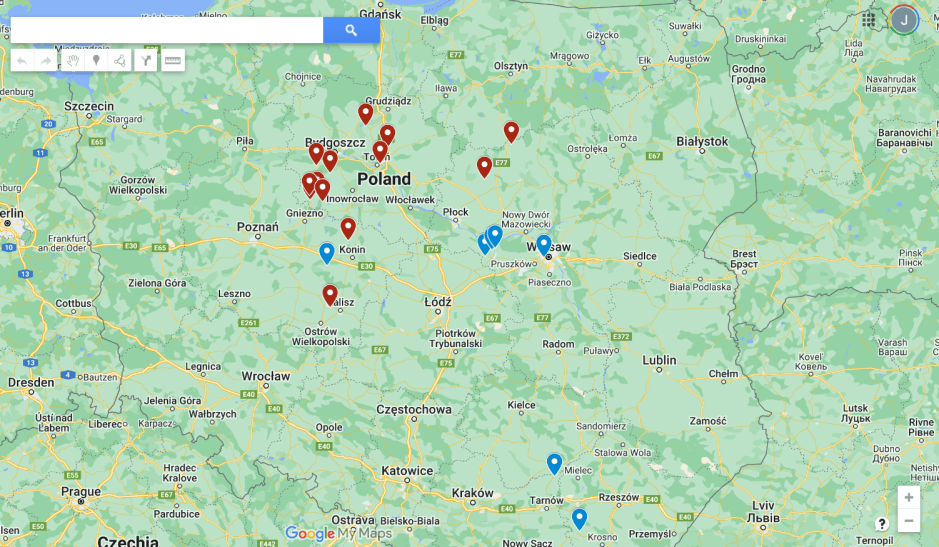

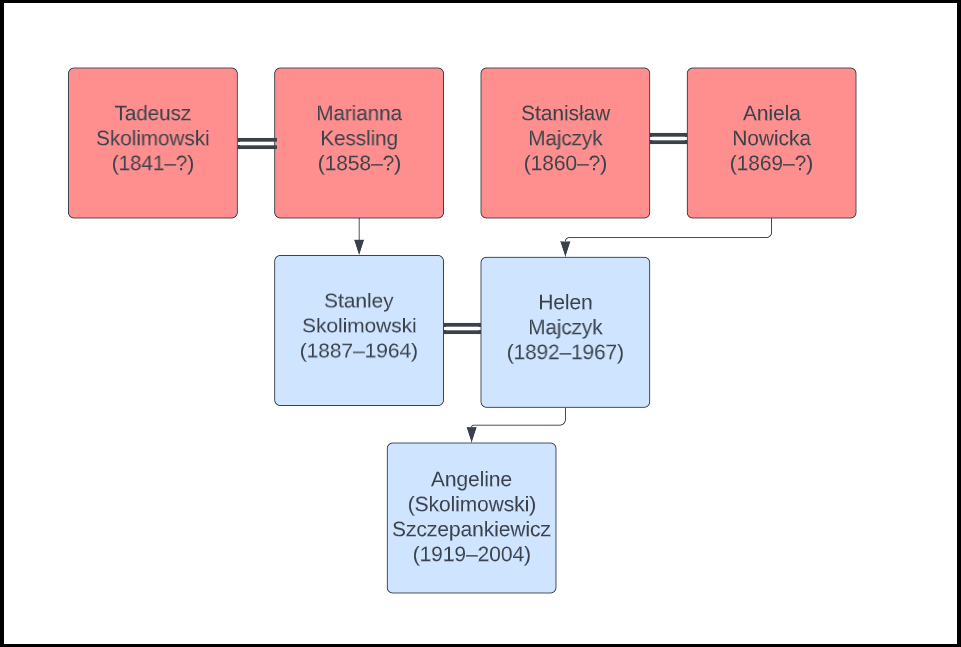
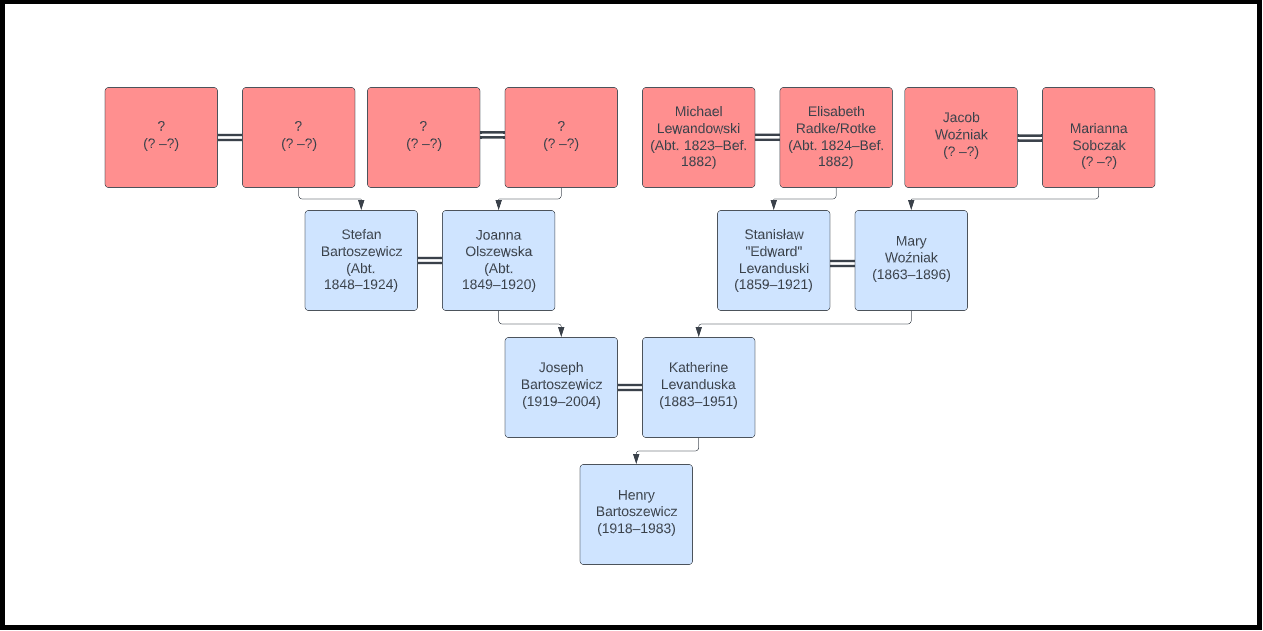
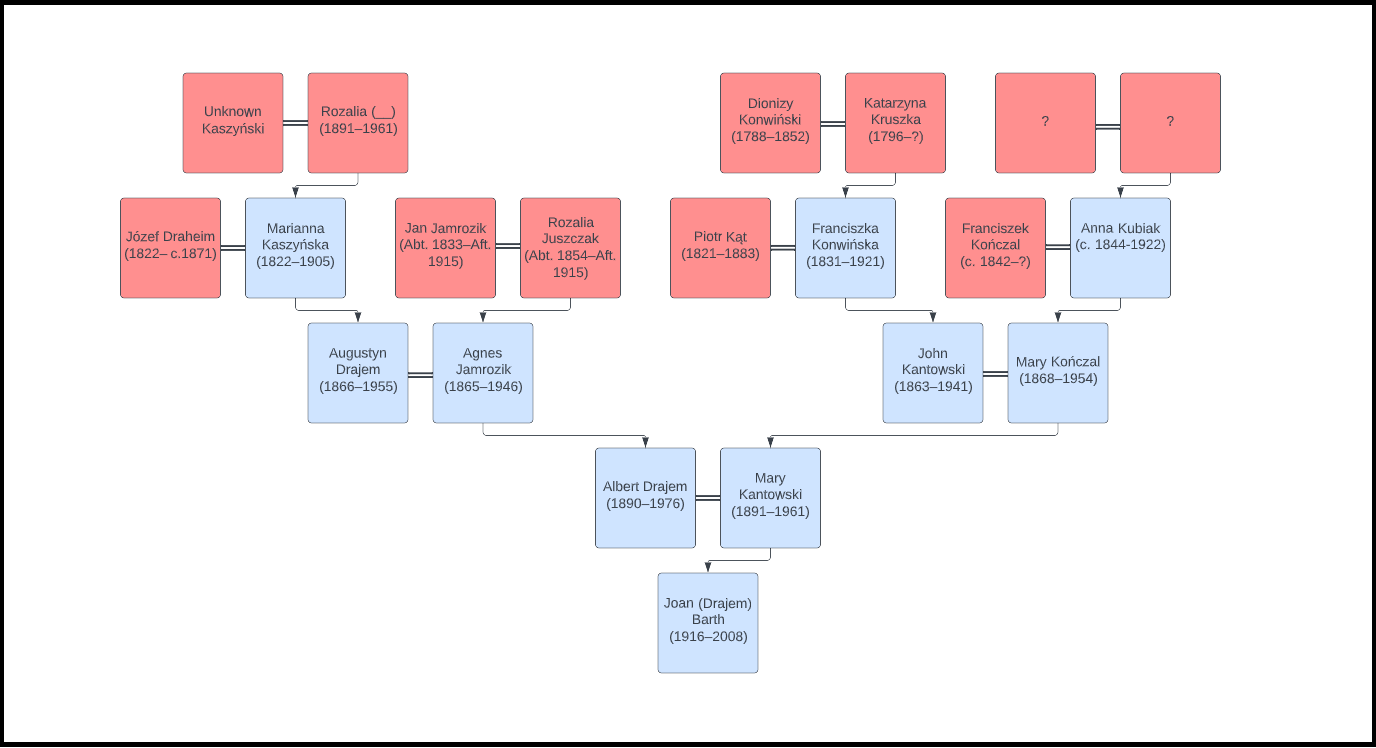
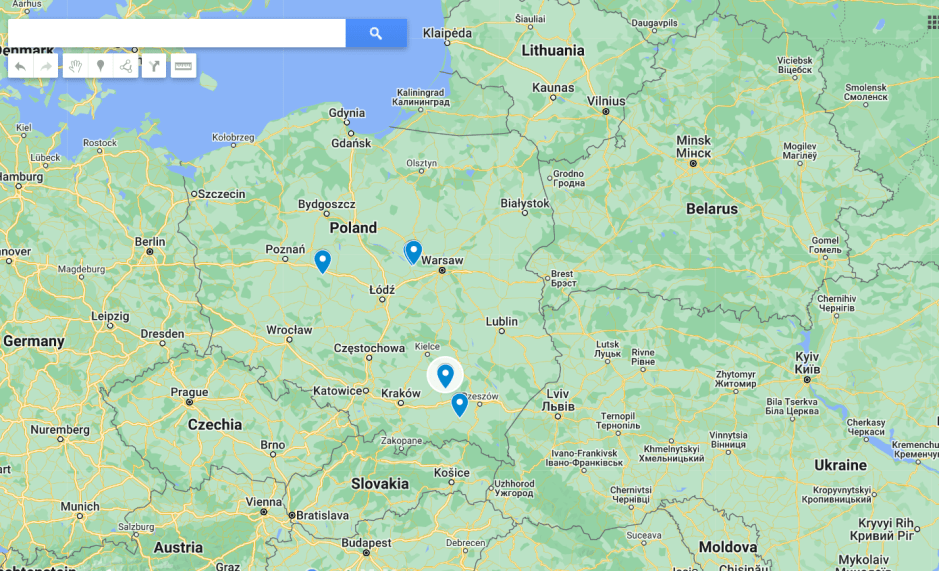
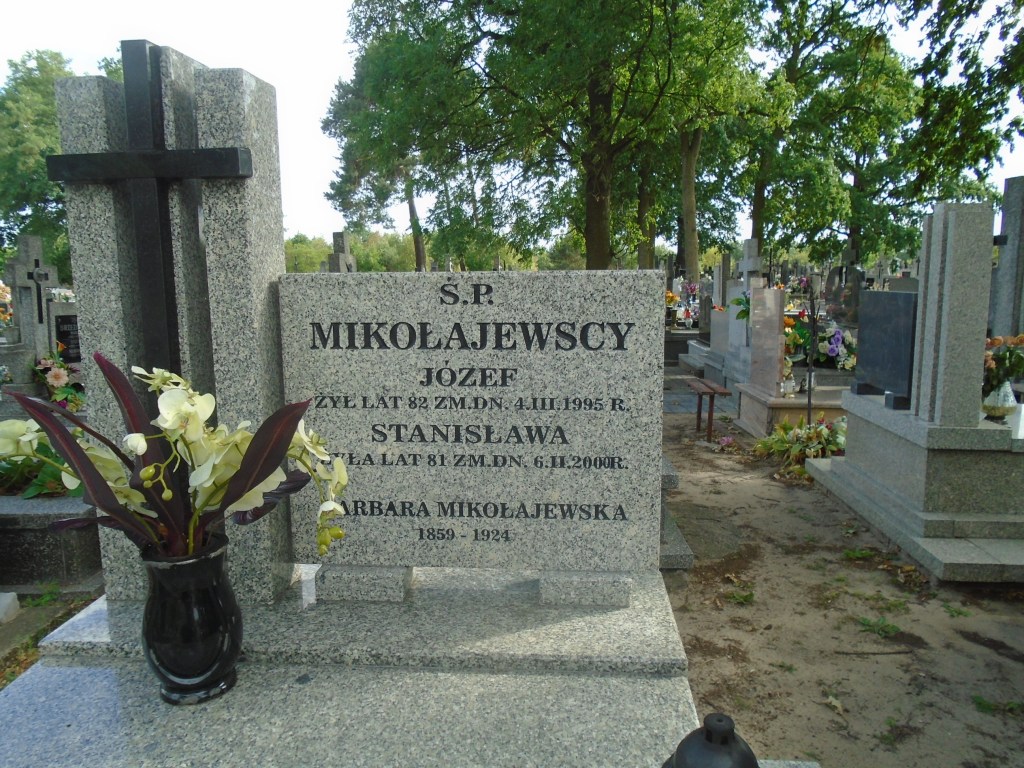


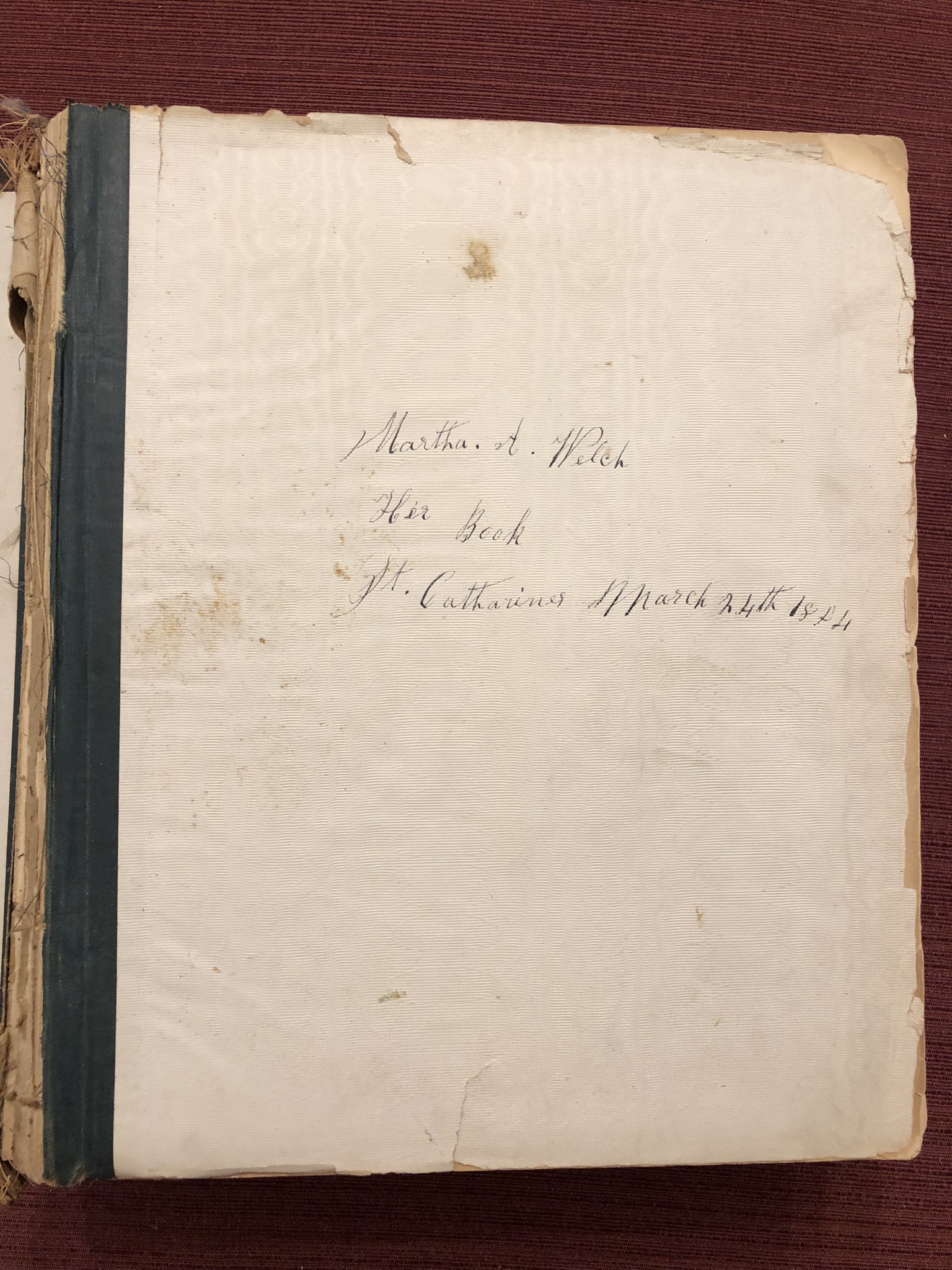

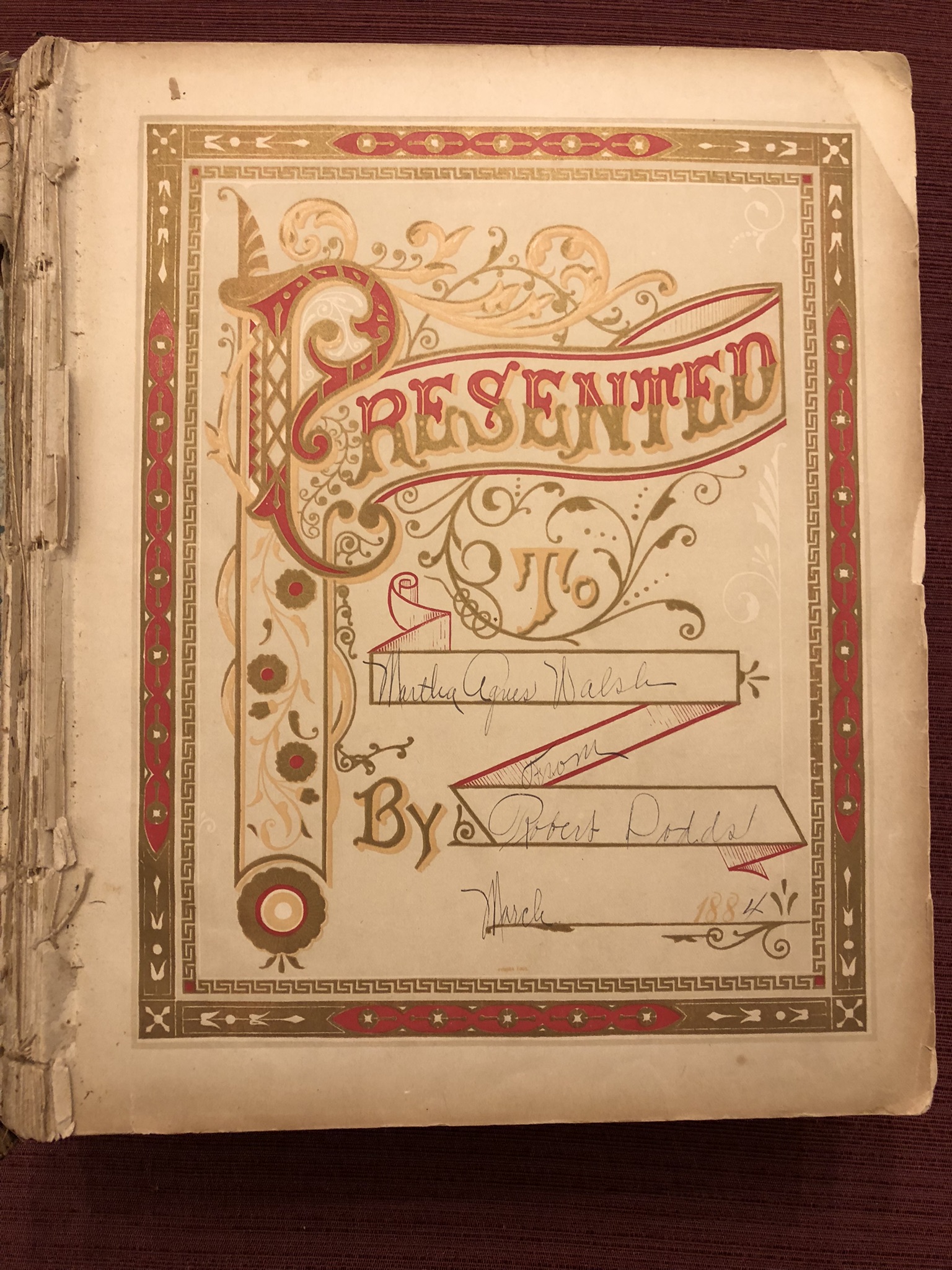


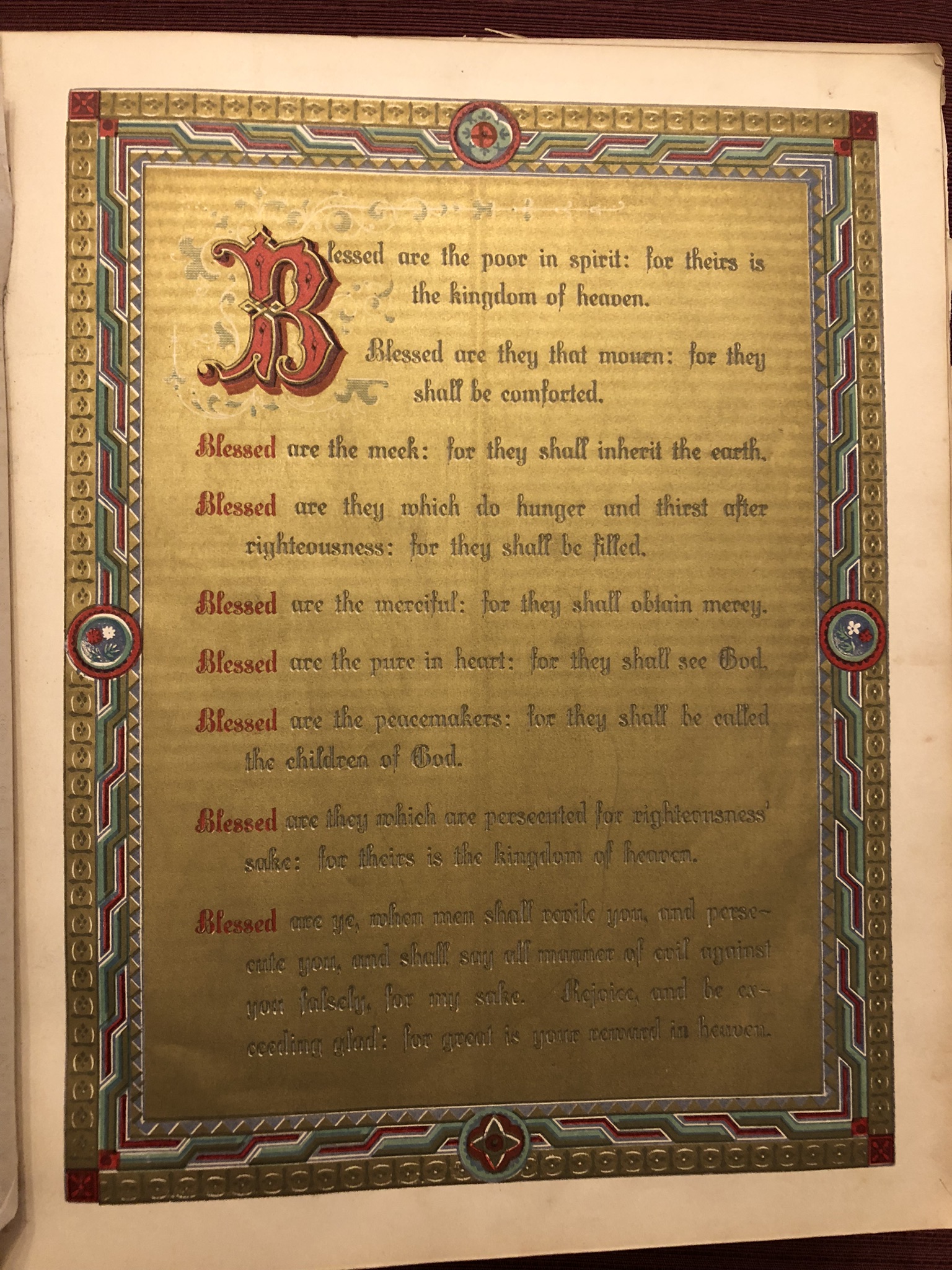
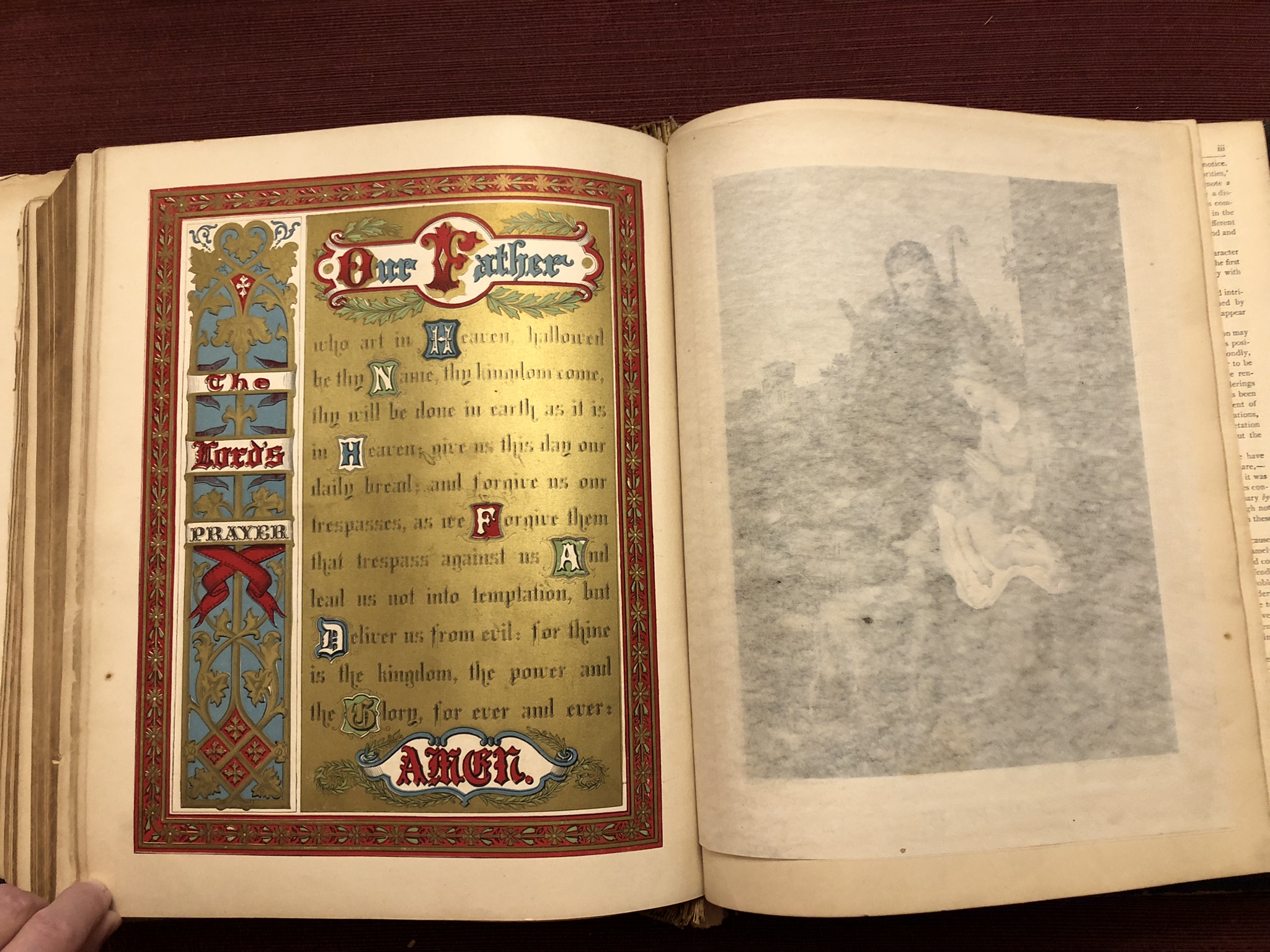
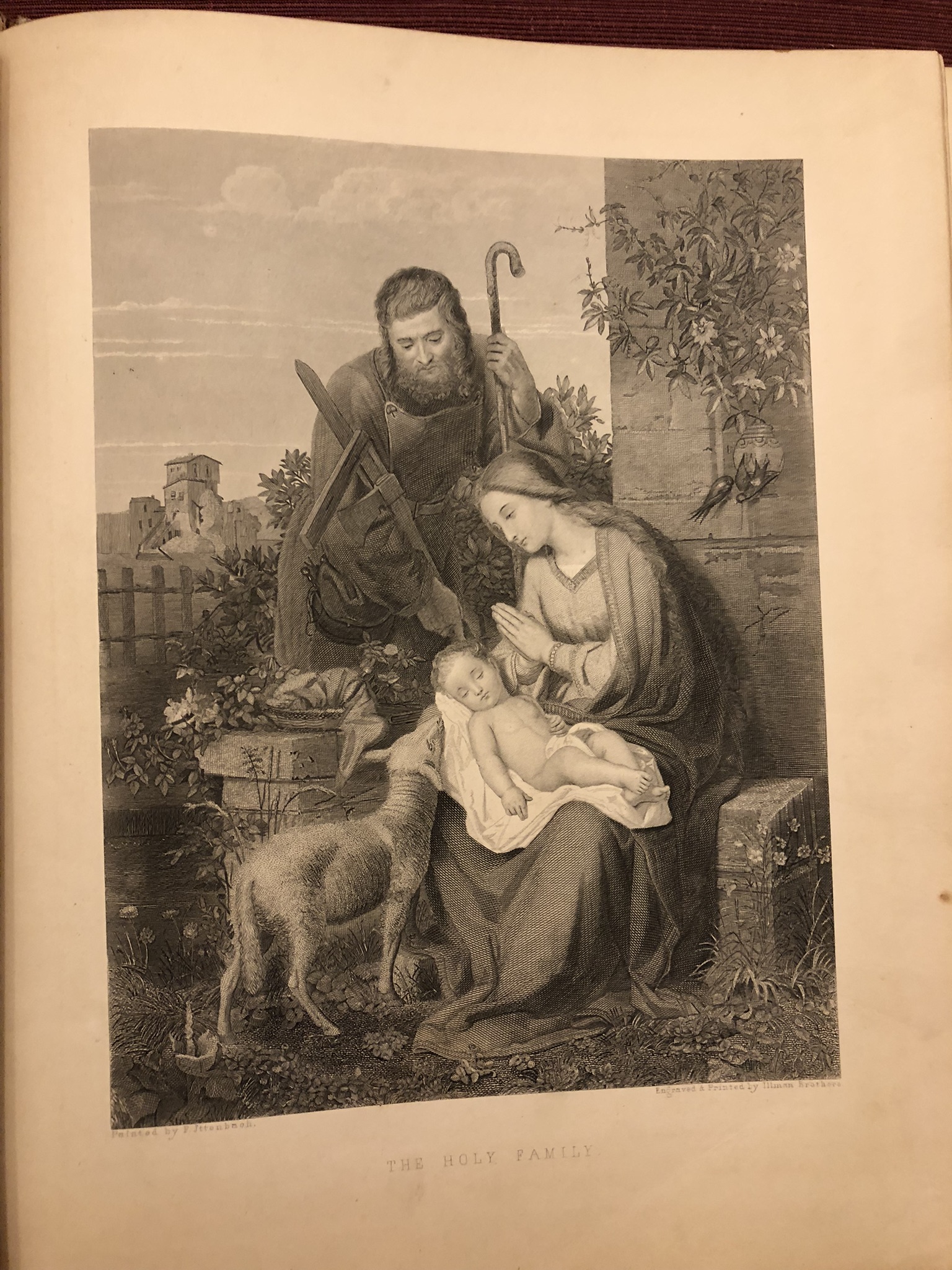

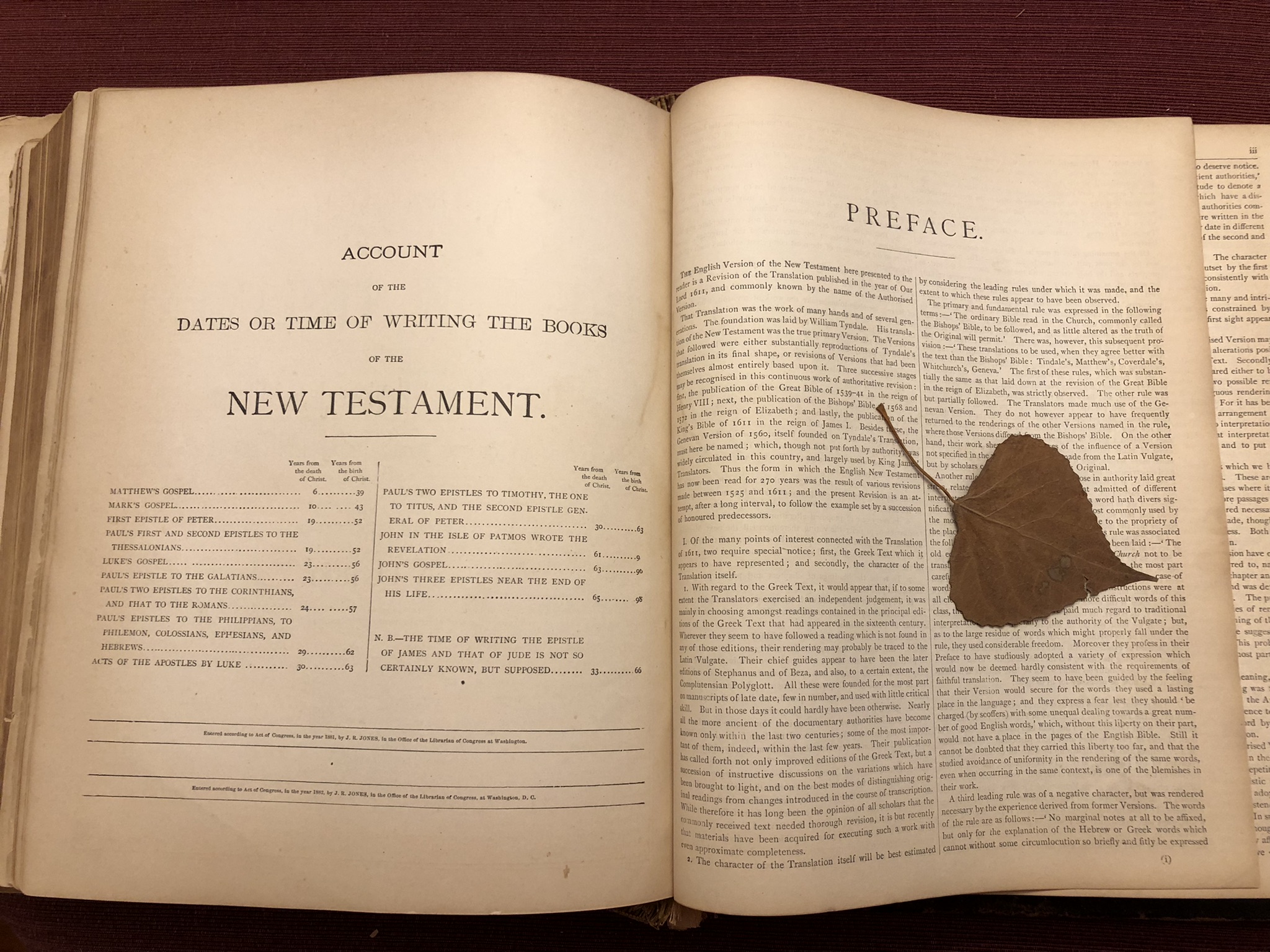
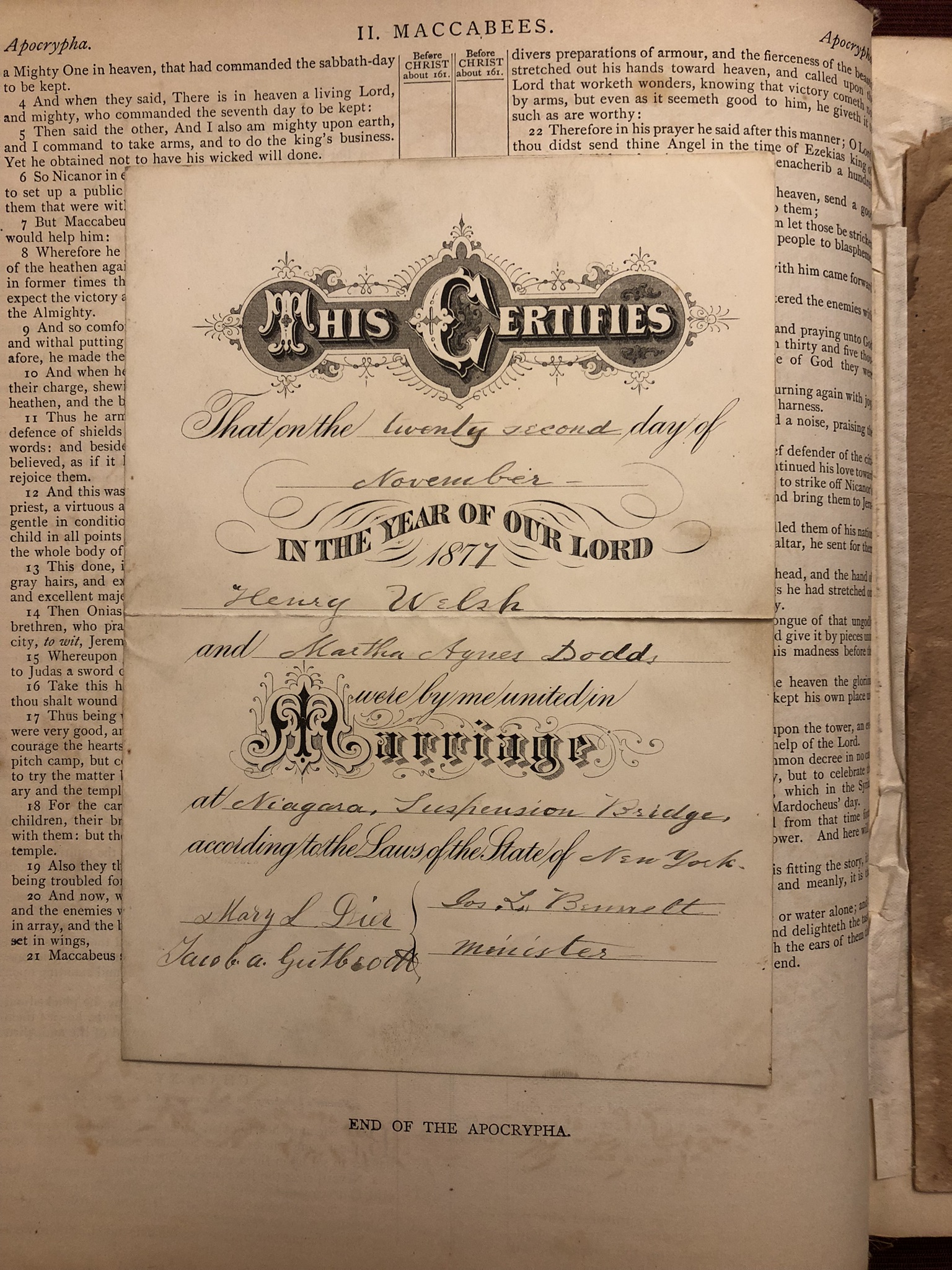

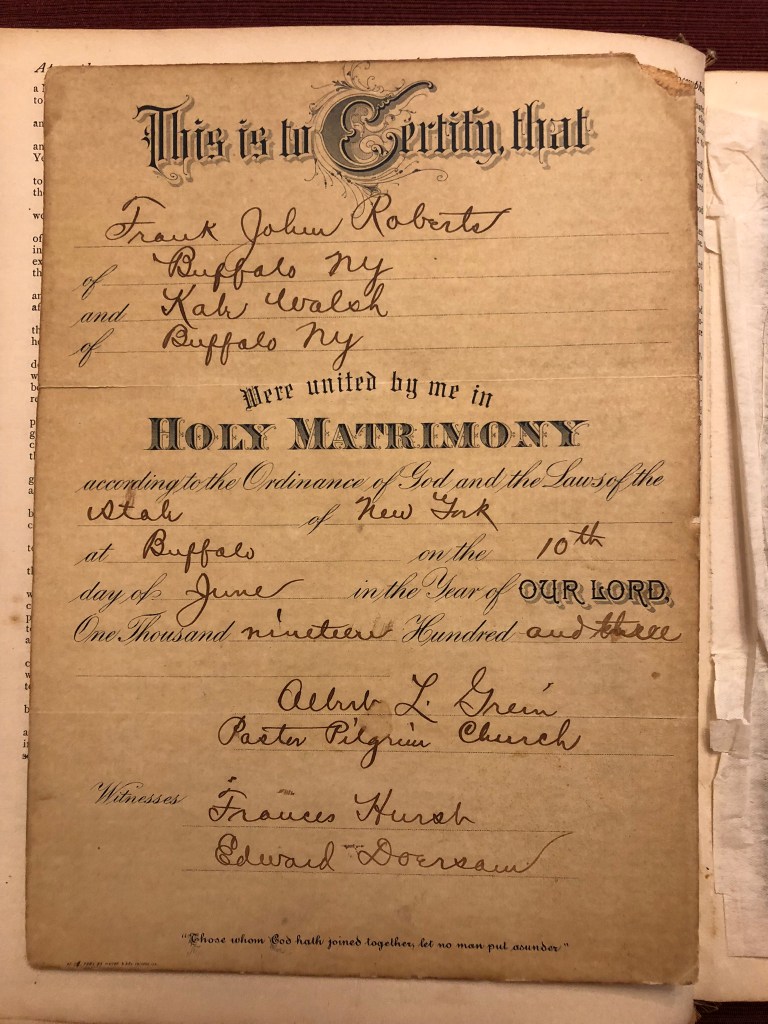
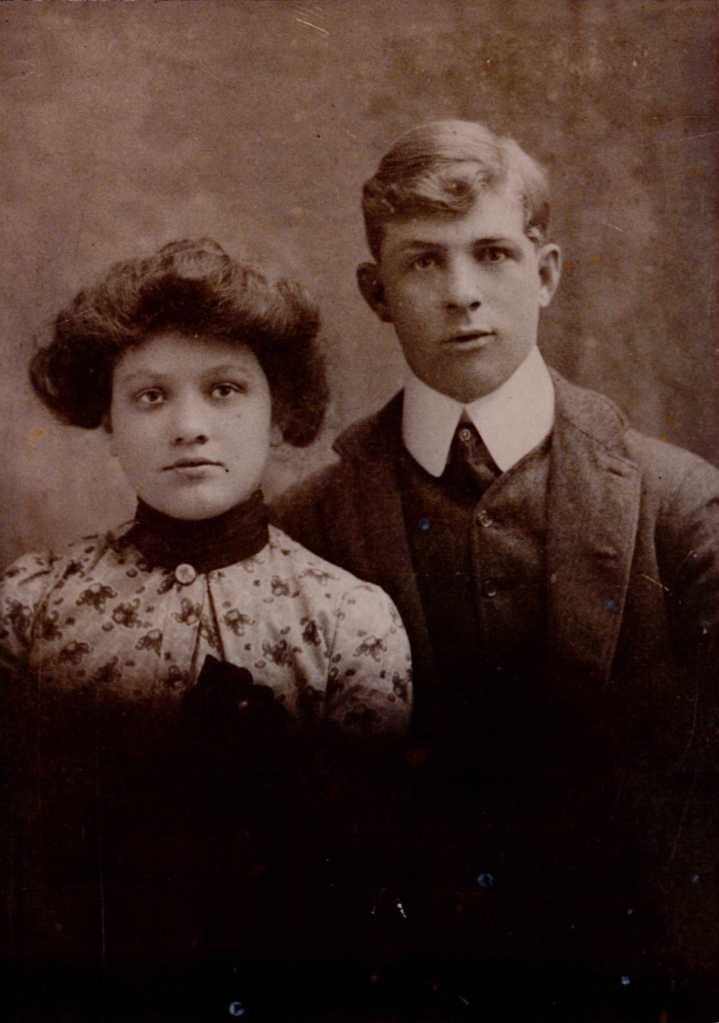

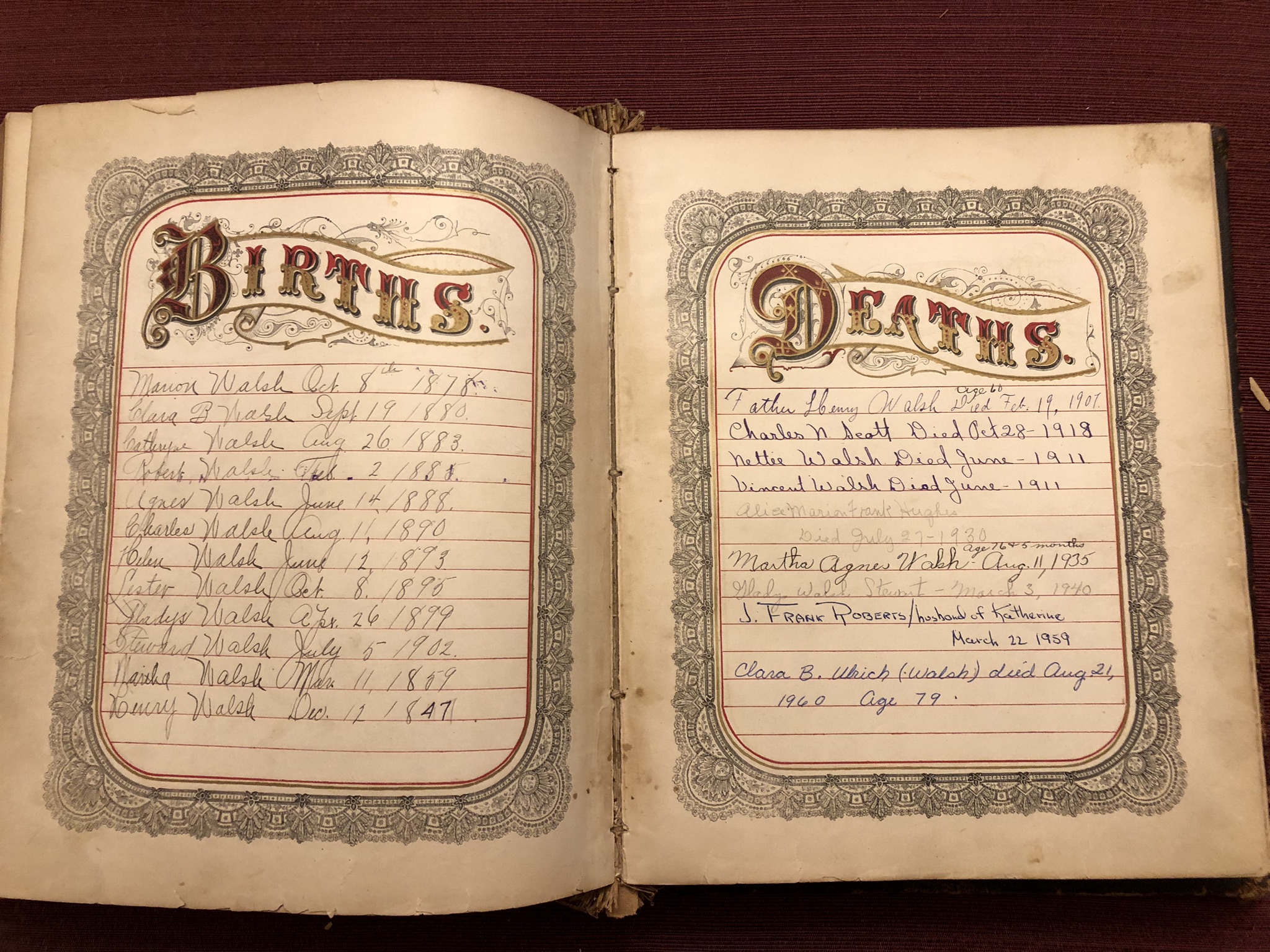


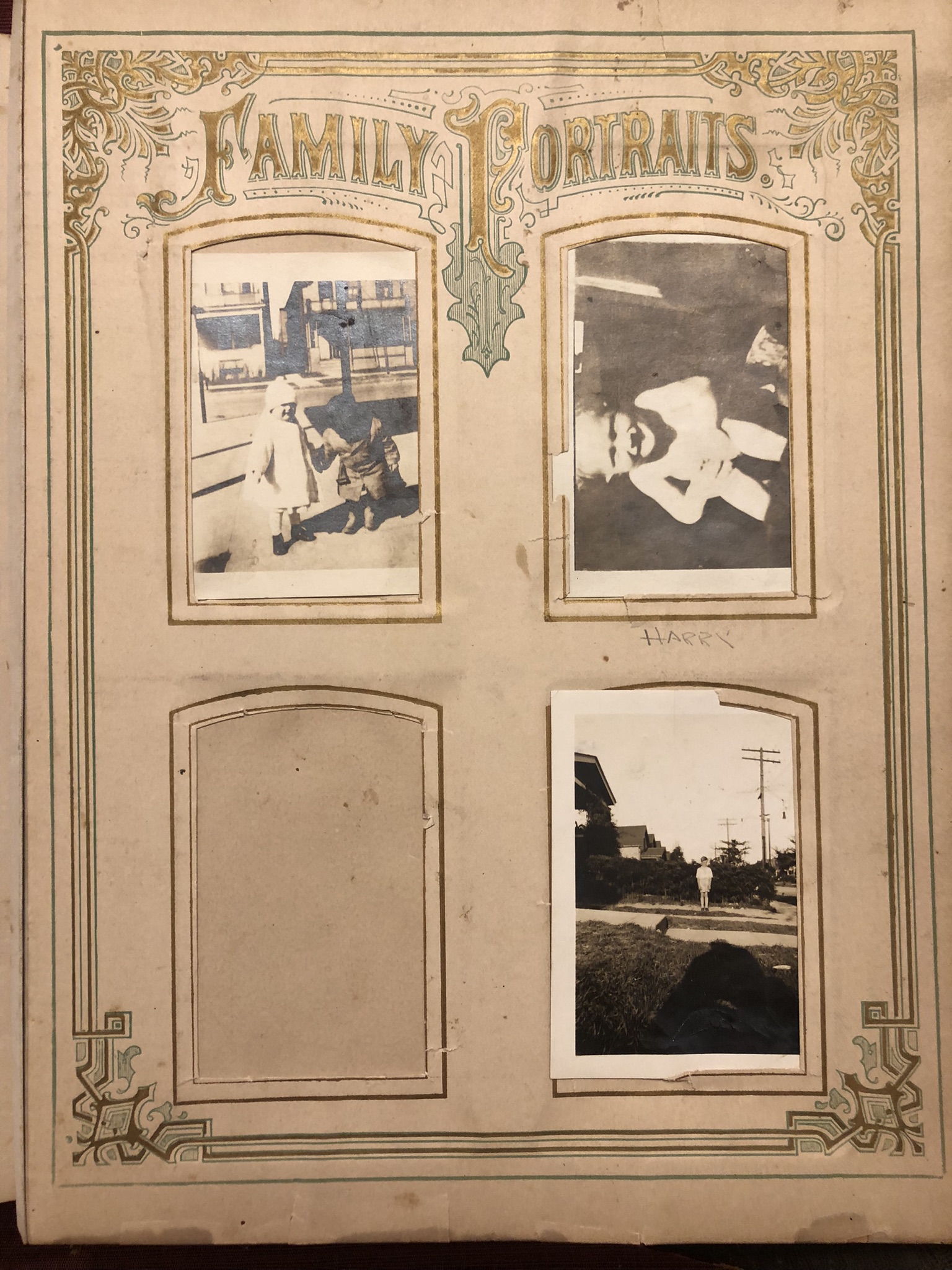


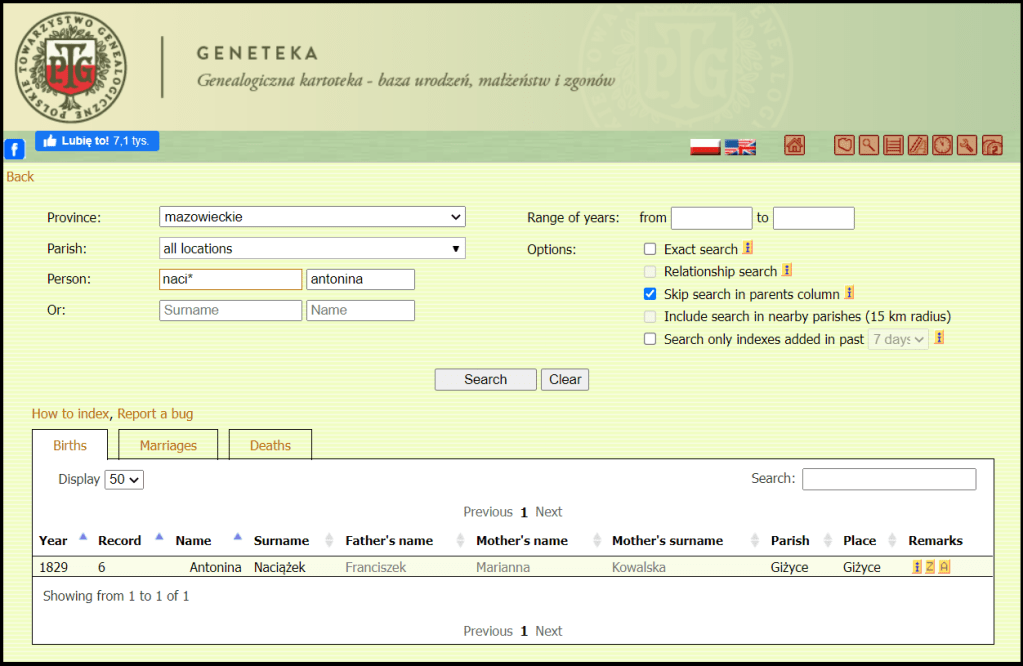

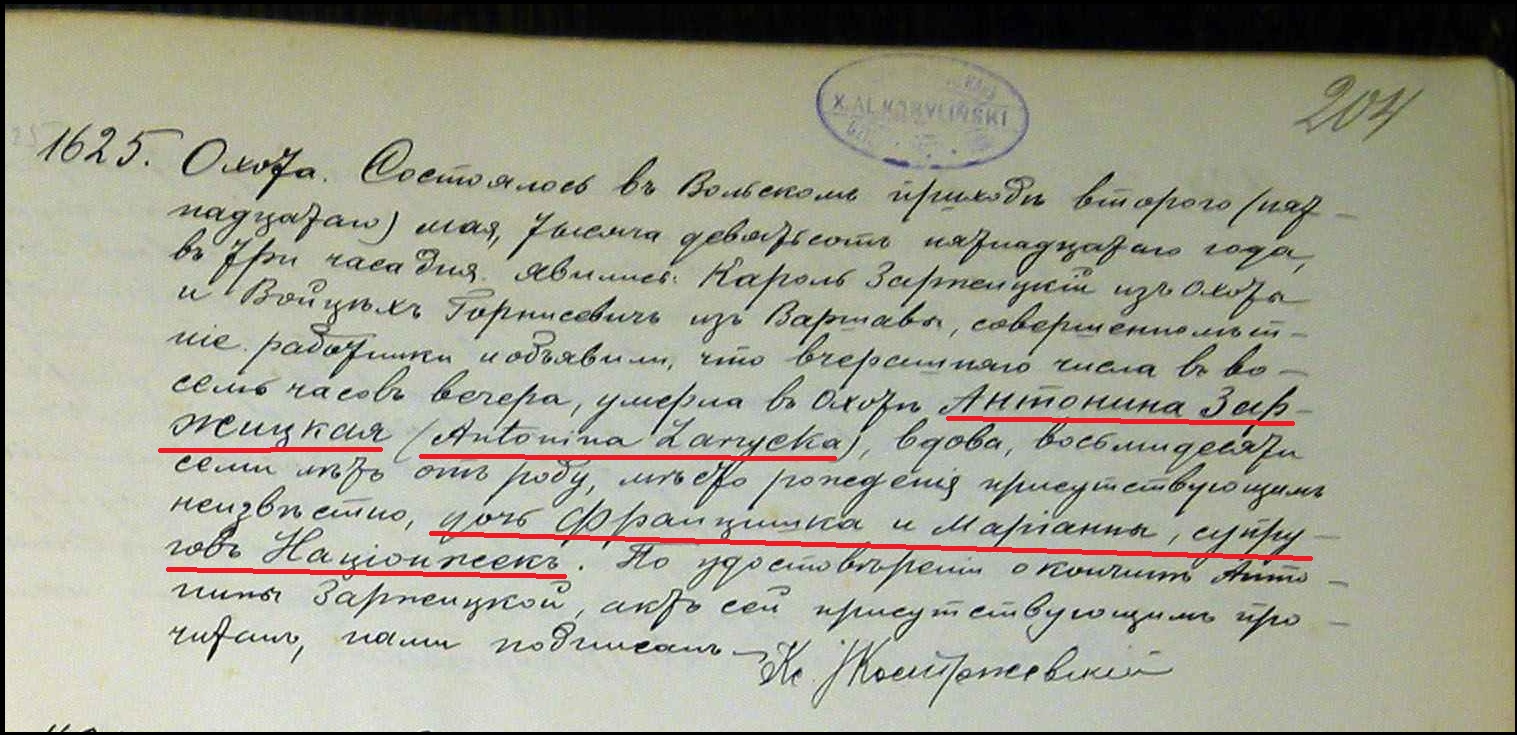


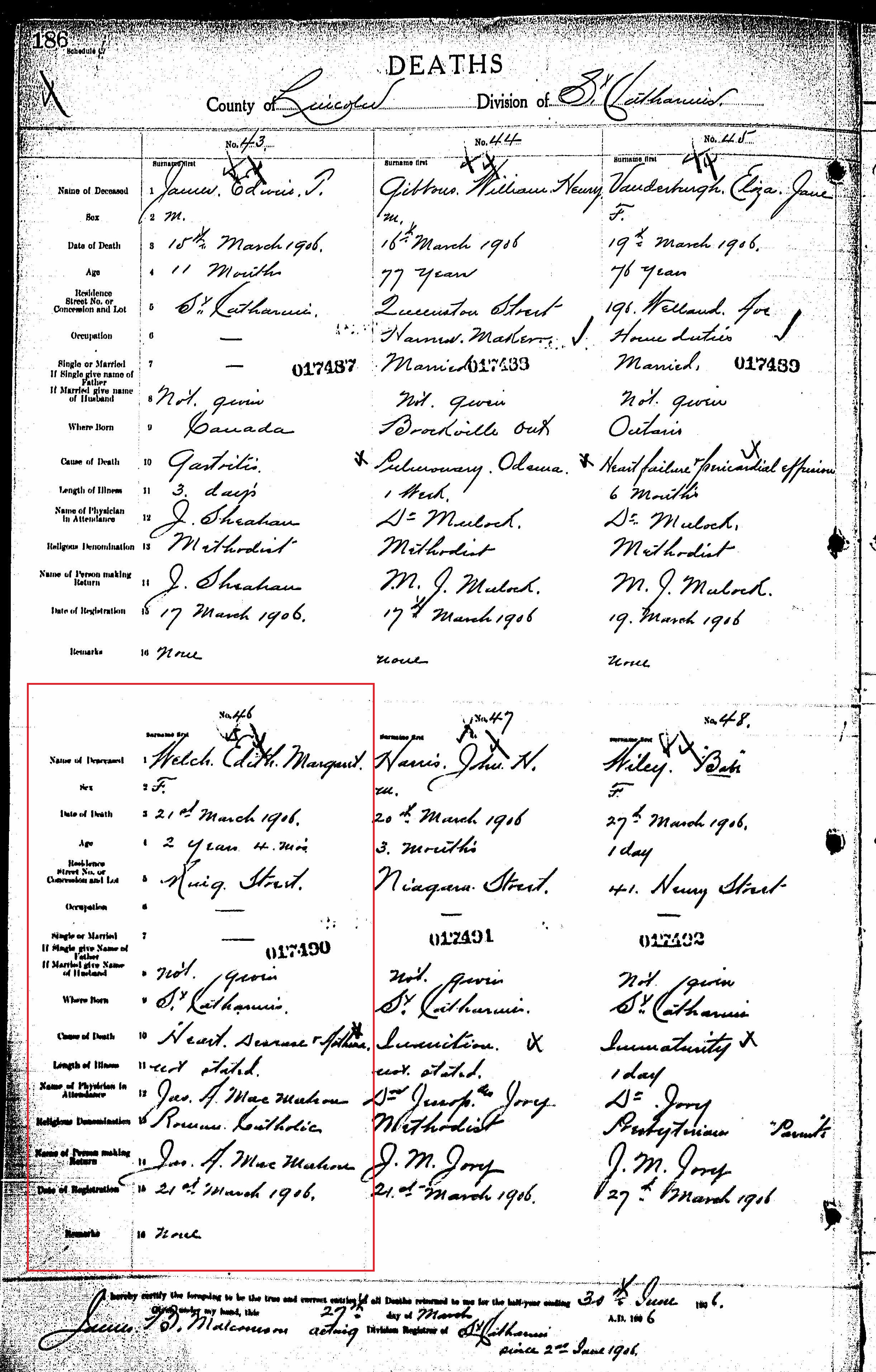

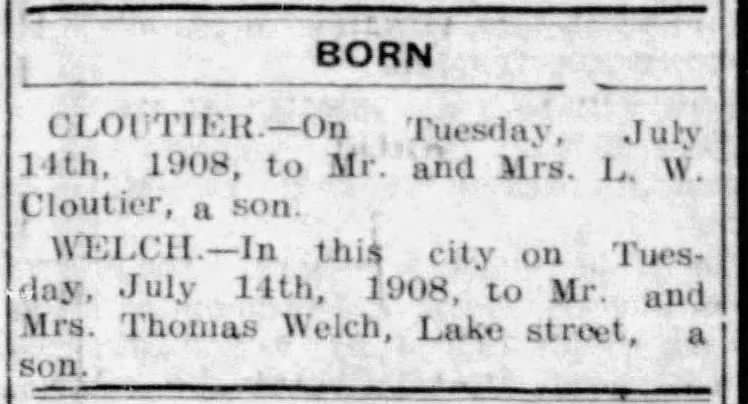
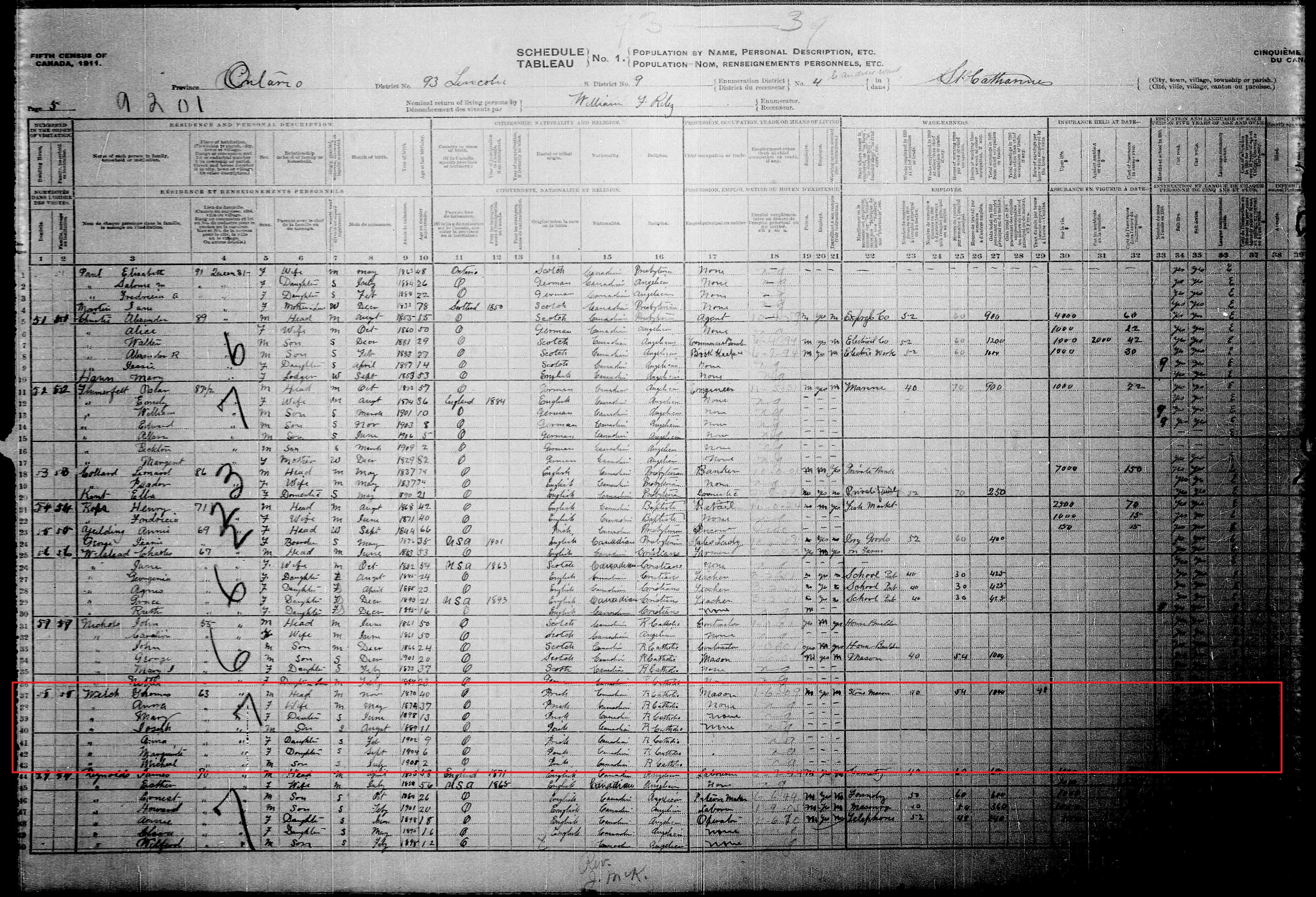
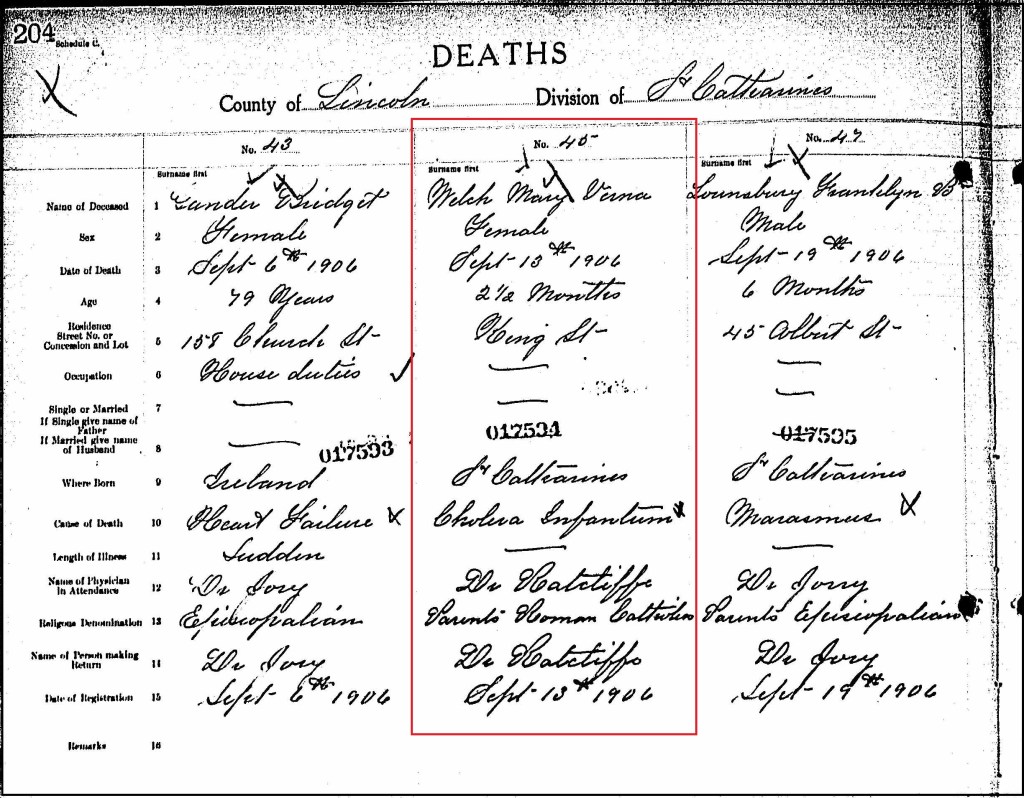
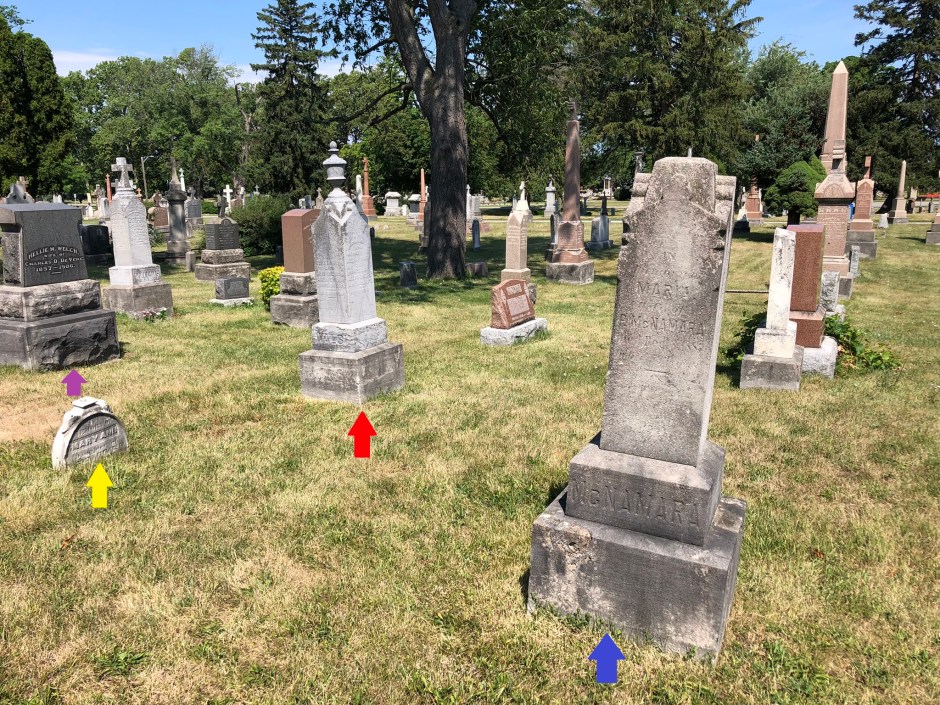
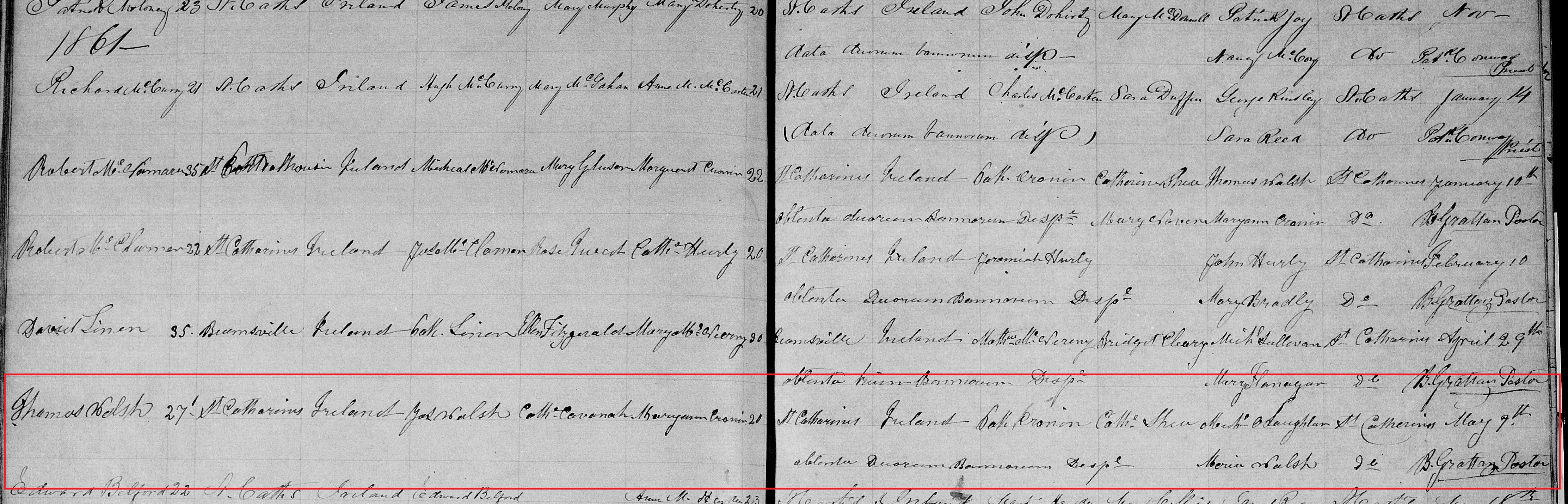
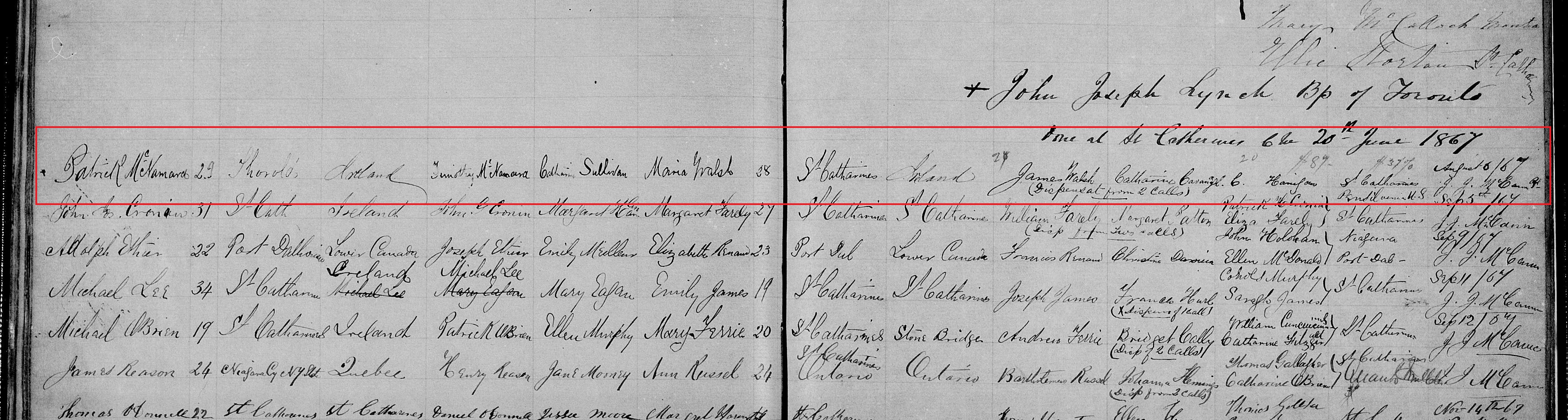


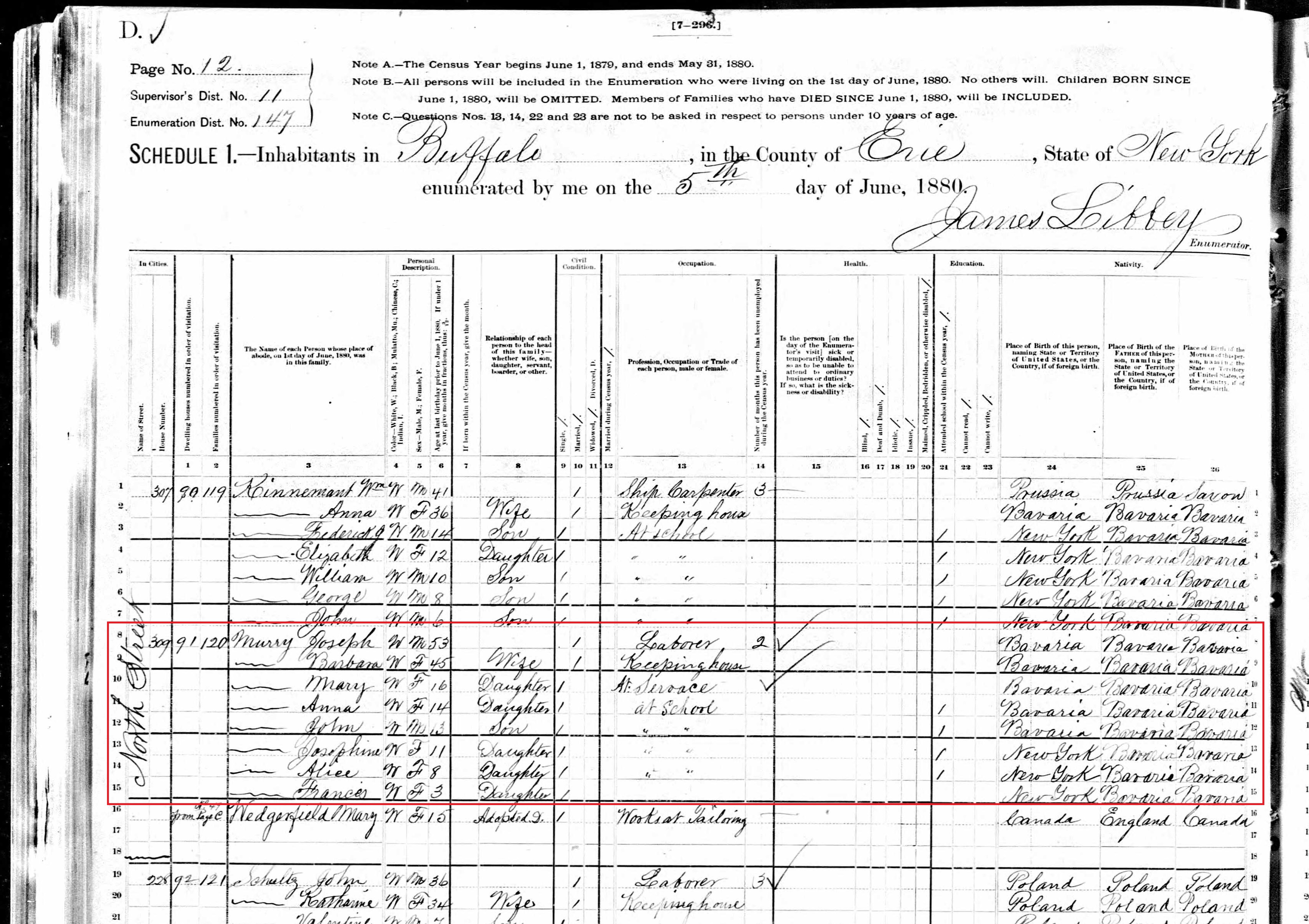
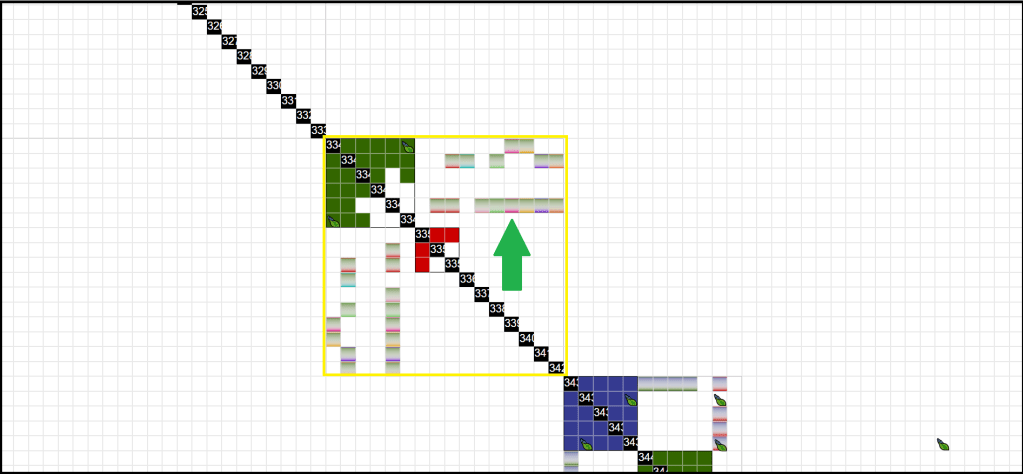

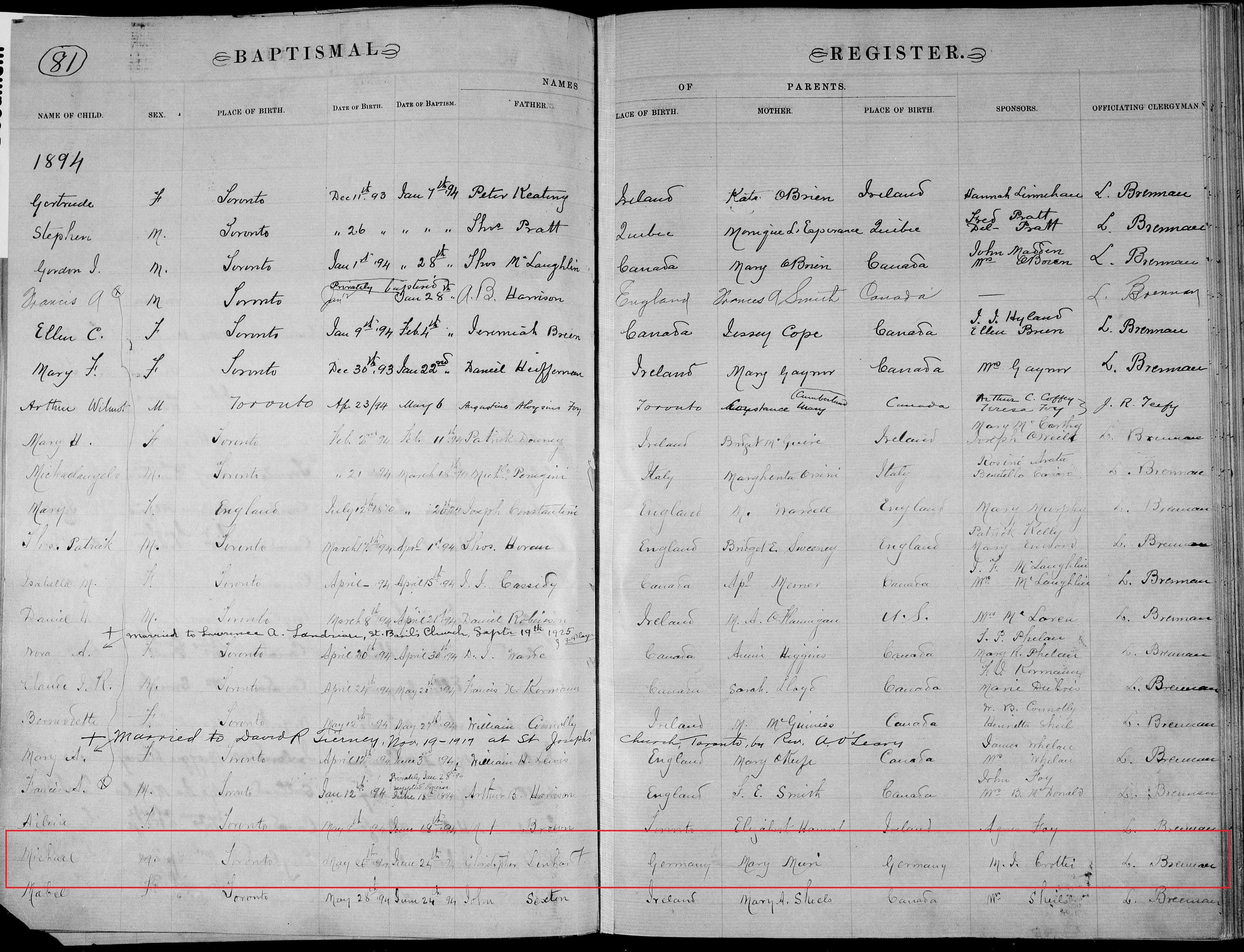


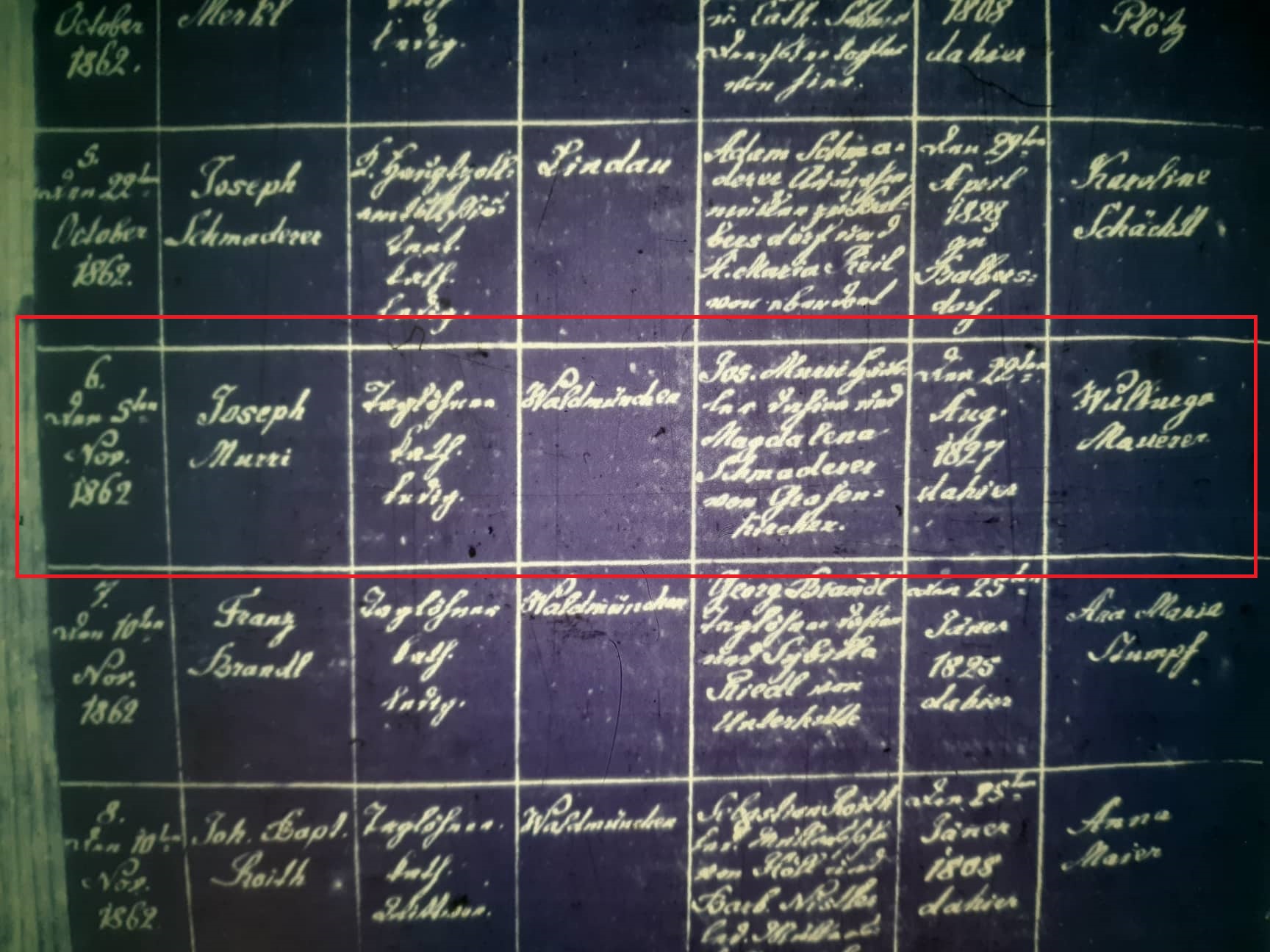
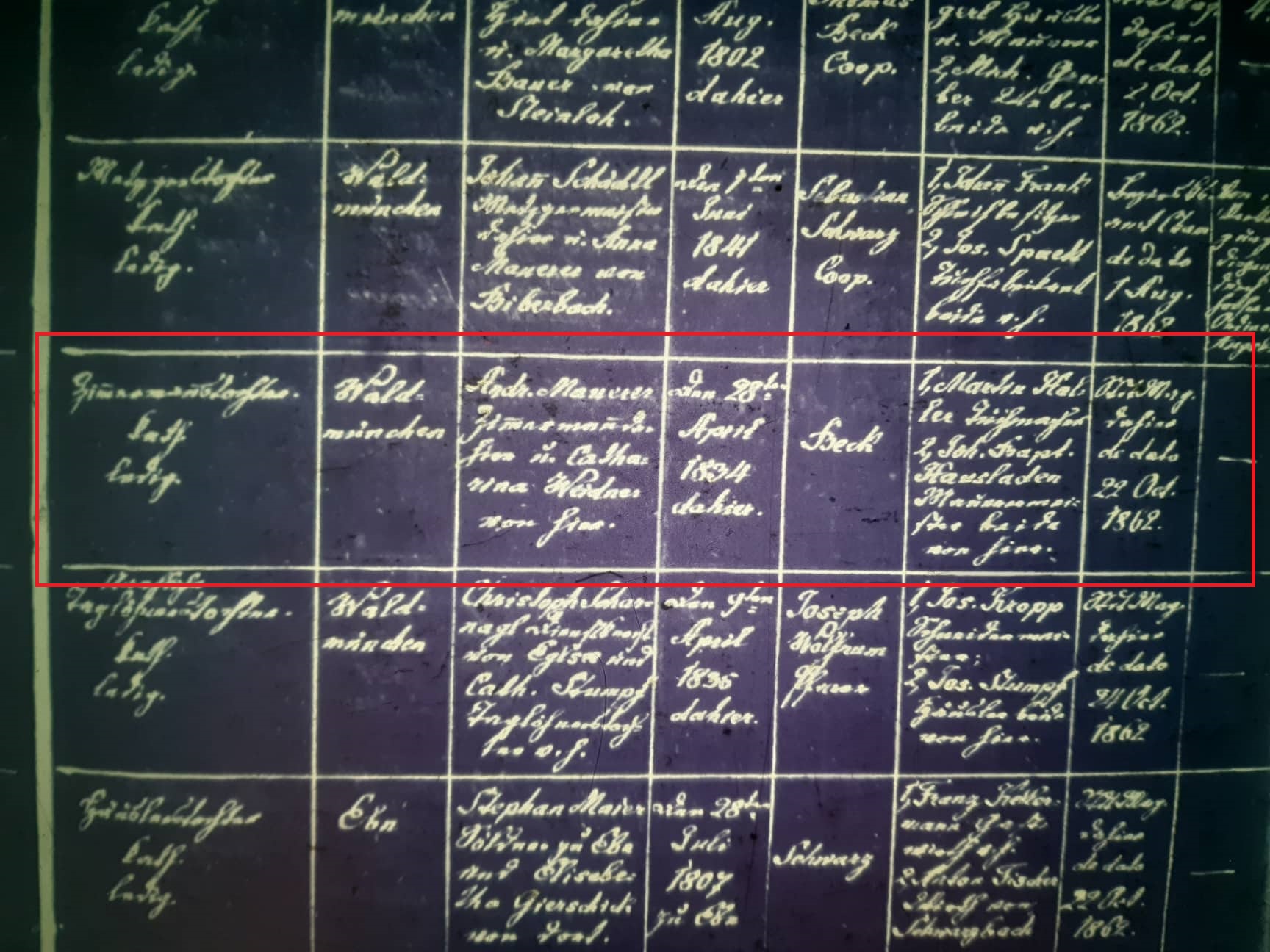
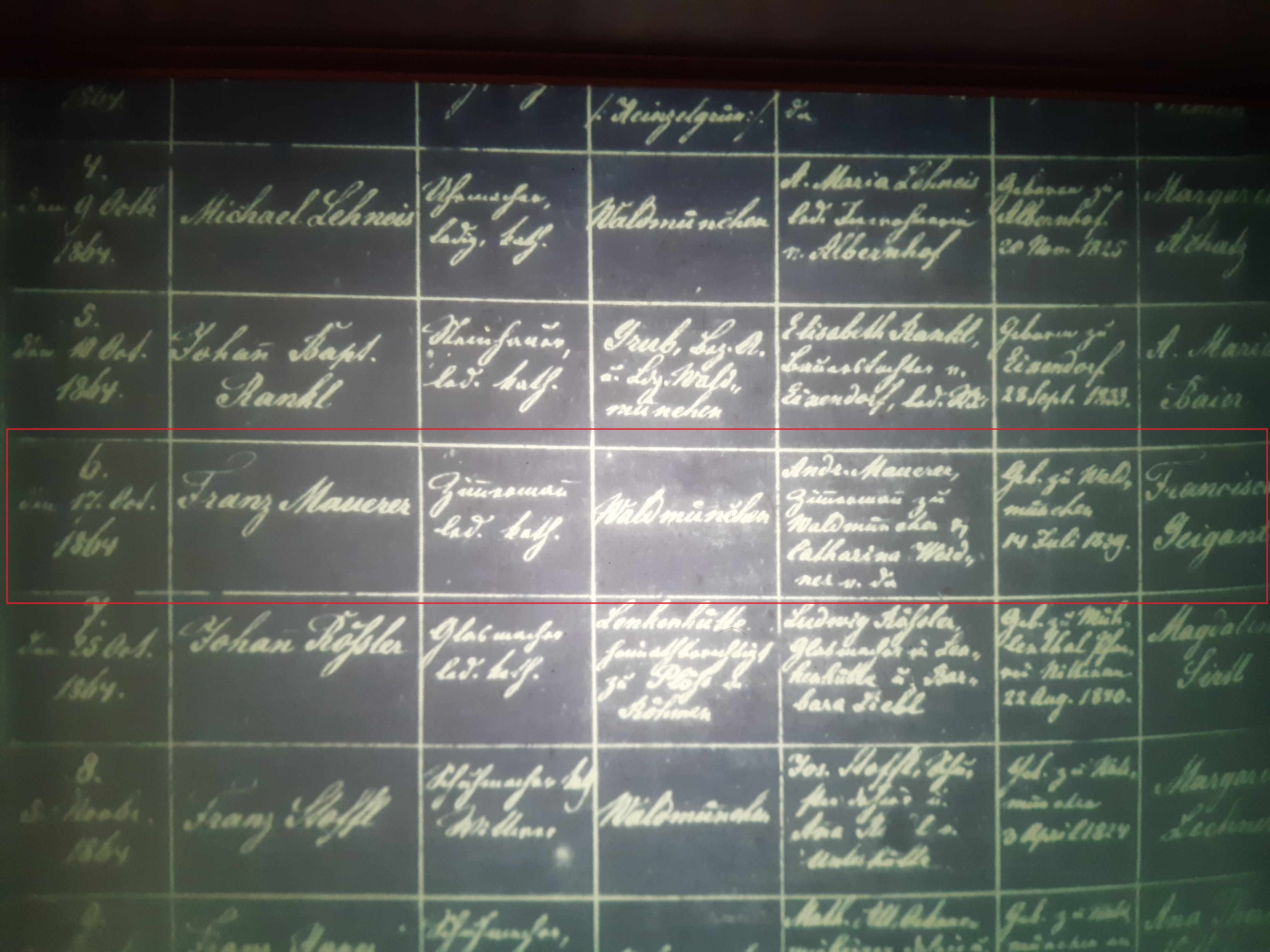
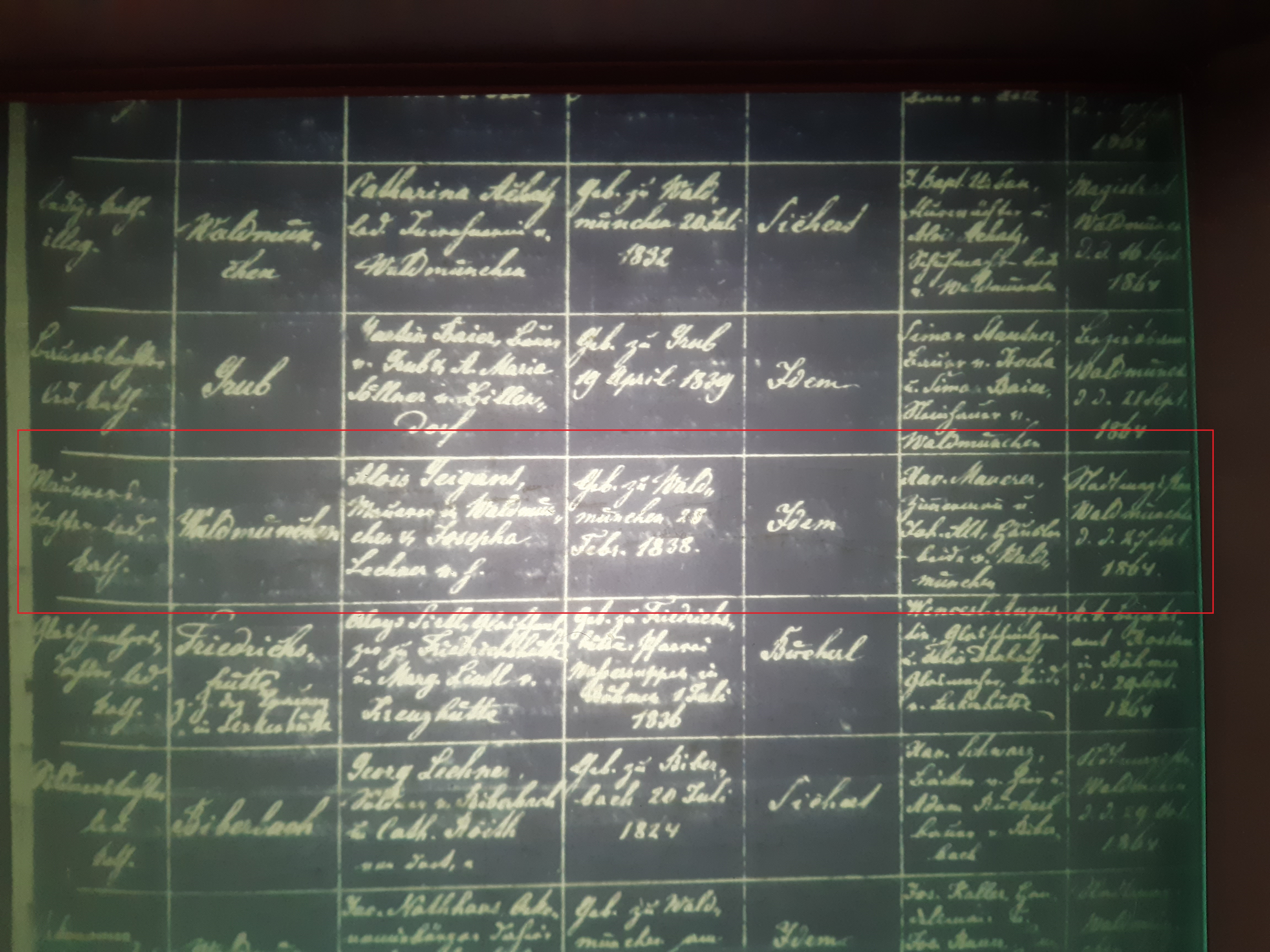




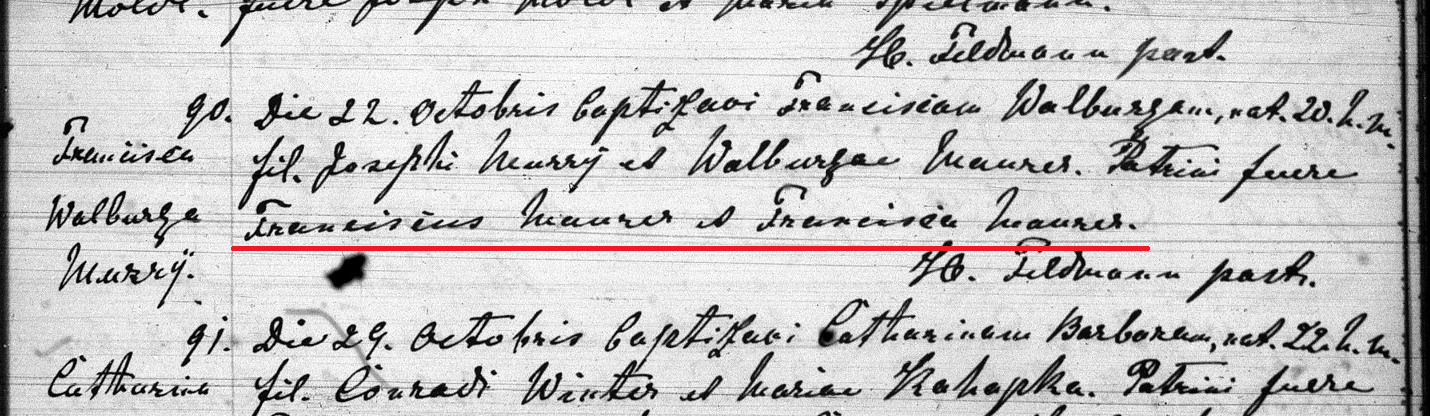
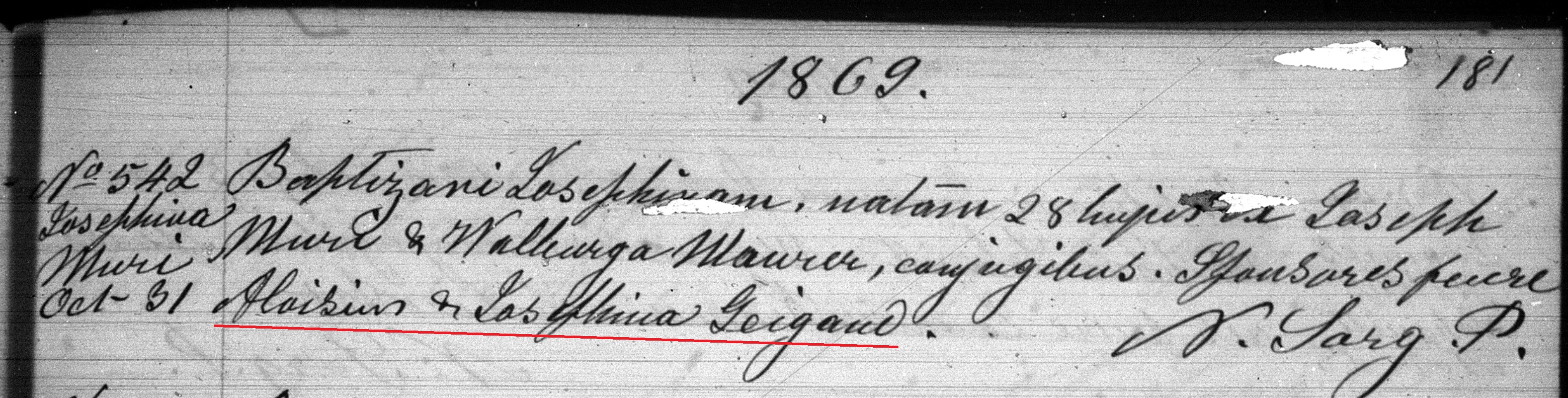

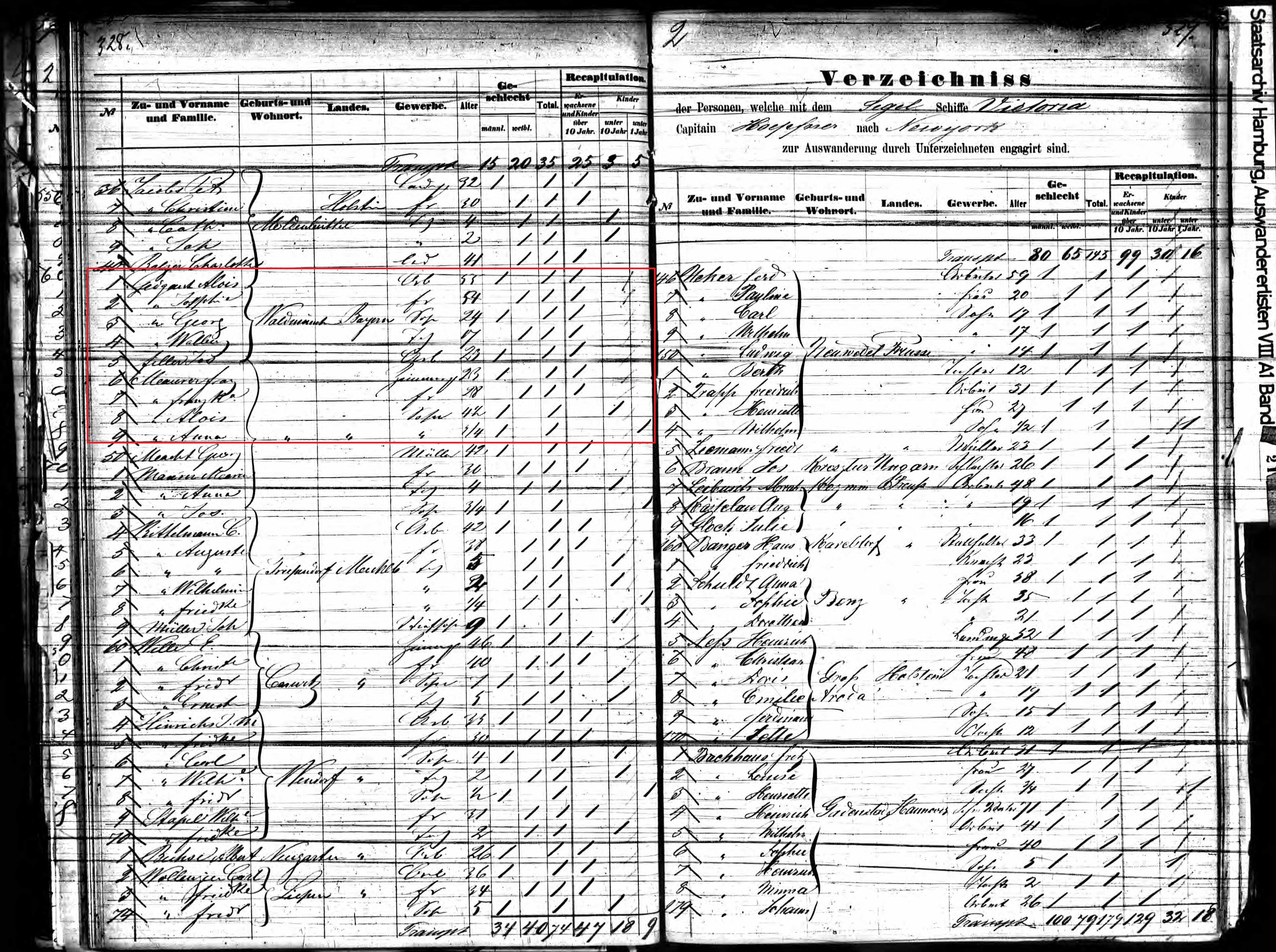


![Mappa jeneralna Województwa Mazowieckiego ułożona według naylepszych zrodeł przez Juliusza Colberg [General map of the Mazowiecki Voivodeship arranged according to the best sources by Juliusz Colberg], 1826.](https://fromshepherdsandshoemakers.com/wp-content/uploads/2022/05/48604650.jpg?w=940)
 From Shepherds and Shoemakers


